
Setting the Scene: When Light Becomes Language
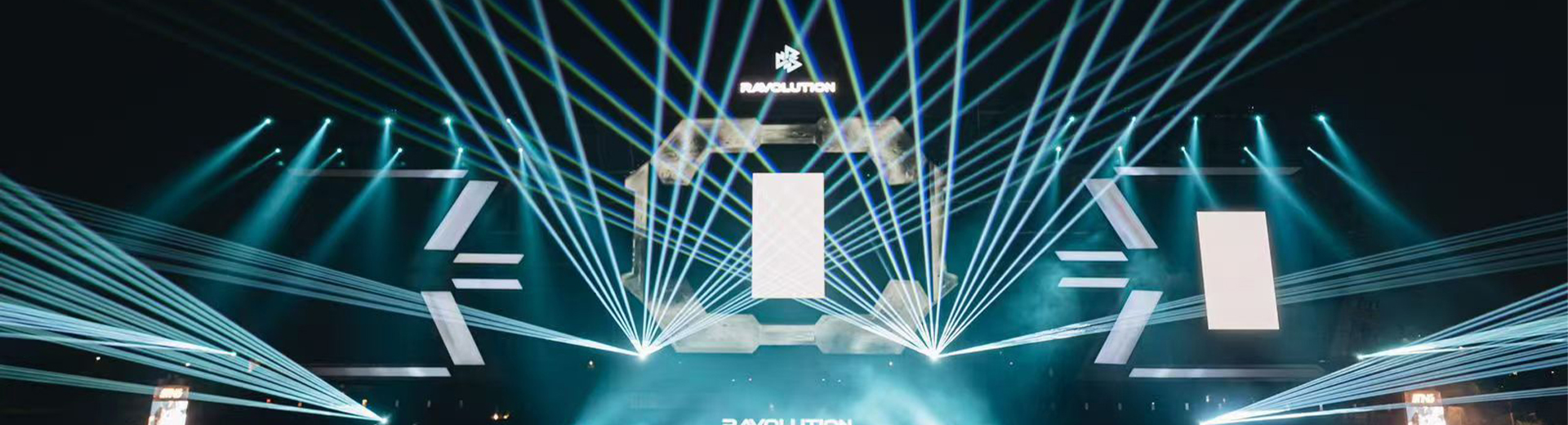
Bold truth: the crowd reads the show through light before they hear the first note. In packed arenas and open-air festivals, laser lights slice through fog and memory alike, mapping emotion onto space. Recent event reports show that visual cues can lift crowd engagement by double digits, while peak scenes can push power loads up by a quarter. Yet teams still battle timing slips and dull fades that break immersion. The culprits hide in the system chain—galvanometer scanners, beam divergence, and control handoffs over DMX. Numbers are important, yes, but the feeling on site tells the story (and the story starts when everything simply locks). Let us set a clear baseline for what makes a rig speak.
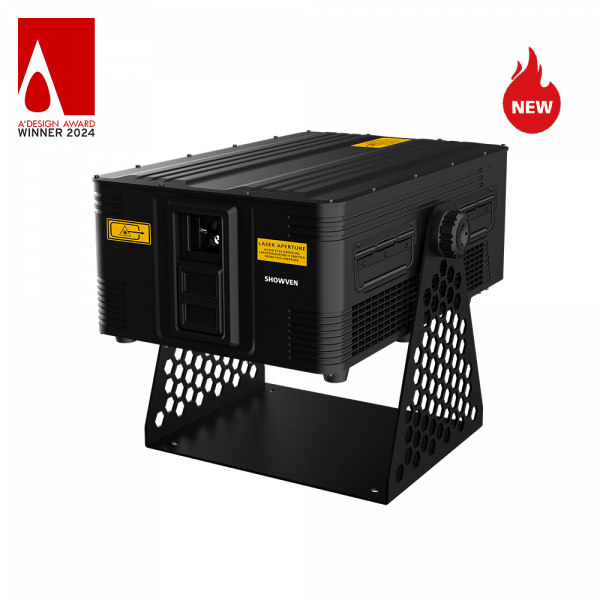
Picture a Saturday night stage. The band hits the drop, and a dozen beams should knit into a tight crown above the pit. Instead, two are late, one blooms wide, and one looks dim. Crew time adds up in silence: readdressing, re-aiming, reboots. A 40-watt head is strong, but an off-by-a-bit mirror or sloppy data can waste it—funny how that works, right? Meanwhile, safety and sight lines must not slip. So we ask: if the audience judges the show in milliseconds, how do we remove the tiny frictions that steal those beats? The next section opens that black box.
The Quiet Frictions Behind the Spectacle
What are we missing?
Let us be technical for a moment. Most rigs center on laser light show equipment, feeds, and power. The weak links are not only the fixtures, but how signals and electrons move. DMX universes can bottleneck fine motion; micro-stutters show up as ragged shapes at scale. Power converters hate dirty mains; under-voltage can tilt color balance and dim the last 10% of punch. Scan safety is non‑negotiable, yet older interlock circuits can overtrip during aggressive cues and stall the flow. Outdoor dates add weather stress; IP65 is the floor, not the finish, when dust and mist meet hot optics. Look, it’s simpler than you think: the audience sees a bloom or a snap, but that look comes from stable timing, clean power, and tight mechanics. When those drift, beam divergence creeps up, shapes blur, and you spend the day chasing fixes instead of crafting moments. The pain is hidden, but the result is public.
From Friction to Flow: A Comparative Lens on What’s Next
What’s Next
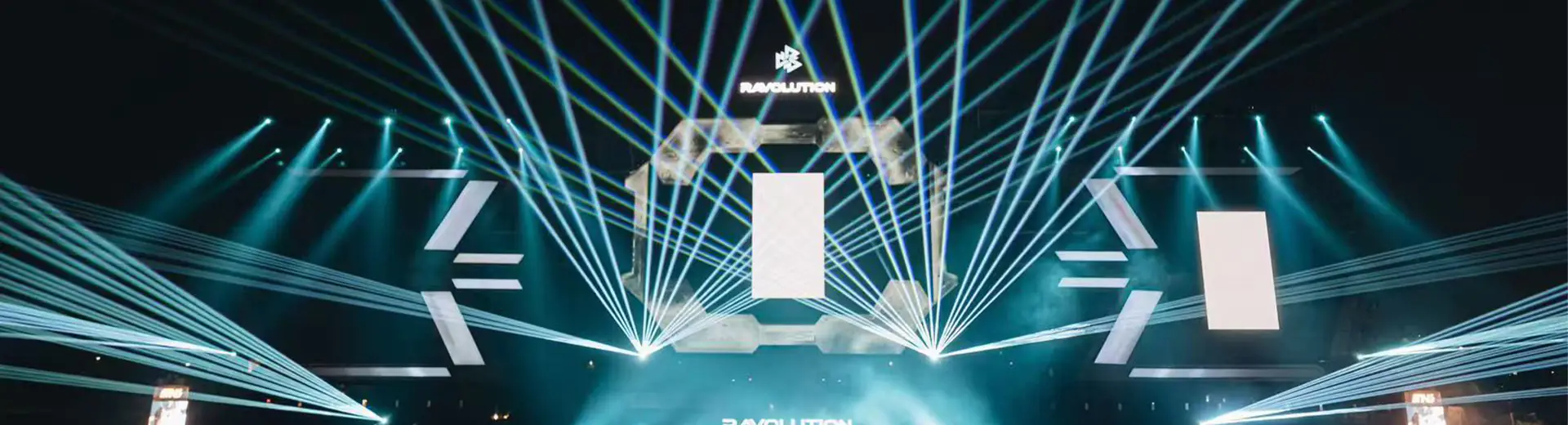
Now, compare yesterday’s chain to a newer model. Place small edge computing nodes near fixtures for synchronized cue math, while the console sends light instructions—not heavy frames. PTP time sync replaces guesswork, so heads draw the same vector at the same microsecond. Inside the box, solid-state drivers hold current steady, even when the venue feed wobbles. On the network side, Ethernet control (Art‑Net or sACN) rides alongside DMX for redundancy, and routing is simple to audit. When laser light equipment self-checks galvanometer linearity on boot, you start closer to perfect aim. The big win is not raw wattage; it is consistency under stress. Small changes, big calm.
Real-world impact shows up fast—load-ins shrink, and cues feel tighter. A touring crew that moves from pure DMX to a hybrid time-synced net often reports fewer replays during rehearsal and cleaner corners on fast shapes. Weather rolls in, and sealed optics stay clear; the show holds. Maintenance shifts from firefighting to logs and scheduled swaps, because sensors tell you where drift begins—before the audience can see it, alhamdulillah. And when the crowd believes the light is breathing with the music, they give it back—funny how that works, right? If you must choose, think like this: favor systems that hold timing, preserve beam quality, and protect safety without slowing artistry.
Advisory close: weigh three metrics when you evaluate. One, optical integrity under load (output versus beam divergence across the night). Two, control resilience (time sync accuracy and protocol redundancy). Three, safety and serviceability (interlocks that are smart, plus remote diagnostics you trust). These are calm choices, not loud ones. For deeper references and exemplary builds in this space, see Showven Laser.