
Direct comparative premise
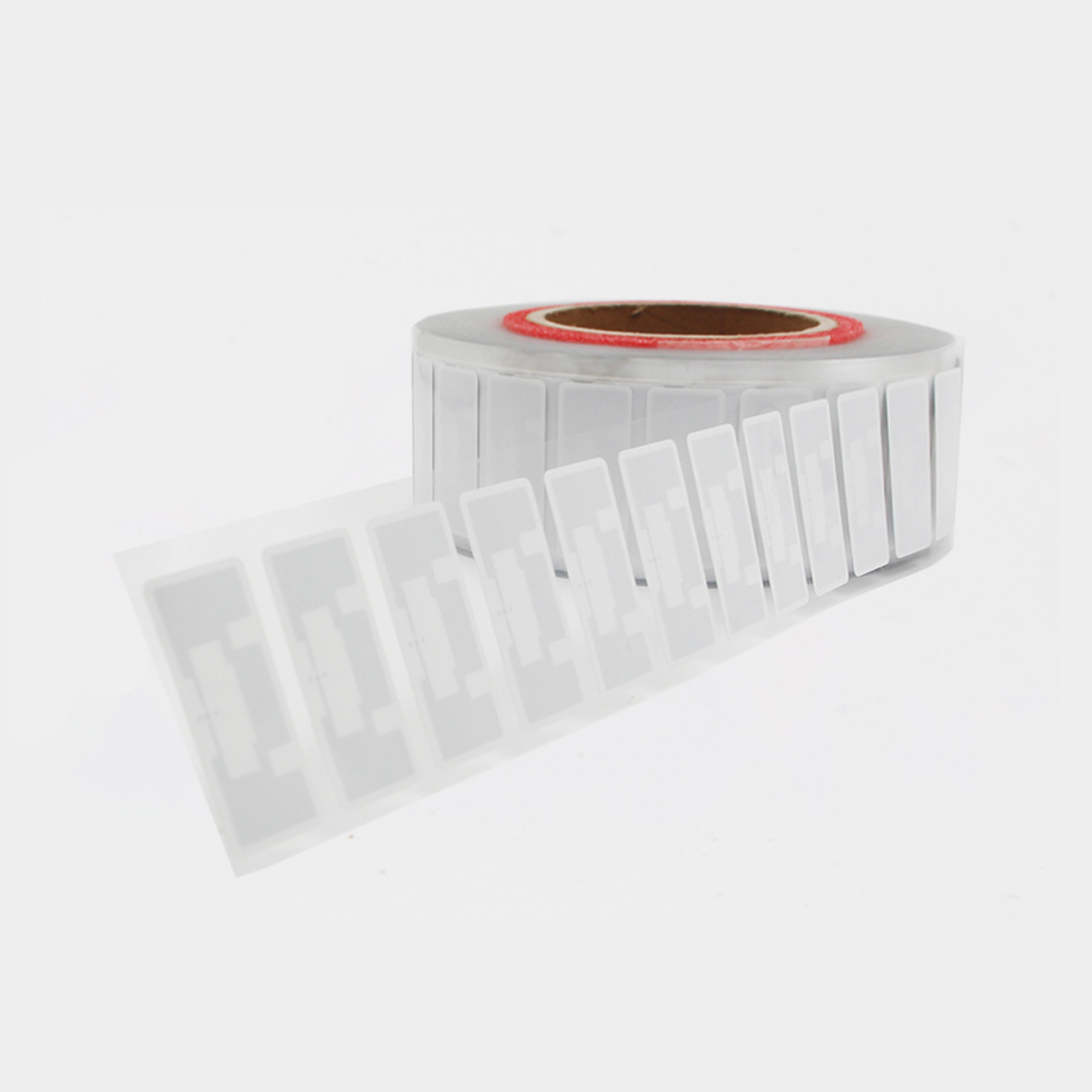
Active RFID tags provide powered transmission and predictable interrogation ranges that differ fundamentally from passive labels; when deciding between systems, compare read range, temporal resolution, and maintenance schedules. For physical inventory and asset monitoring, evaluate both active tags and passive modules alongside optical barcodes and Bluetooth Low Energy; engineers often prototype with RFID Labels to verify read geometry and mounting effects before full deployment.
Signal, range and temporal performance
Active tags contain an onboard power source enabling continuous or scheduled beaconing, yielding read ranges from tens to hundreds of metres with low latency. Passive UHF tags depend on the interrogator’s RF field; practical read distances are typically under 10 metres and vary with antenna gain and tag orientation. The difference is measurable: active tags deliver higher signal-to-noise ratio (SNR) under obstructed conditions and maintain stable sampling intervals for real-time location systems (RTLS); passive tags and barcodes are adequate where occasional reads suffice but provide sparse temporal resolution.
Power, lifetime and maintenance burden
Active device lifetime is constrained by battery chemistry and duty cycle. Expect planned replacements or battery-service windows; some modern active tags use user-replaceable cells or energy-efficient firmware to extend lifespan beyond five years under intermittent beaconing. Passive alternatives are effectively maintenance-free but require no on-board telemetry and are vulnerable to read failure near liquids and metal. Select active systems only when their service model, spare inventory, and lifecycle costs justify the operational gain.
Data capacity, security and protocol considerations
Active tags permit larger local memory, authenticated telemetry, and encrypted downlink capability; they support ISO/IEC 18000-7 and proprietary stacks designed for multi-hop or mesh deployments. Passive UHF adheres to EPC Gen2 (ISO/IEC 18000-63) with limited on-tag storage and standard anti-collision arbitration. For regulated environments where auditability and tamper evidence are necessary, active implementations can log events on-board; however, they require secure key management and firmware validation to prevent replay or cloning attacks. Validate protocol compliance and firmware update pathways during procurement.
Environmental robustness and interference
Active tags outperform passive ones in high-clutter environments because transmitter power overcomes multipath-induced attenuation; nevertheless, metal enclosures and conductive fluids still degrade performance and may require specialized housings or tuned antennas. Passive labels near saline or human tissue often suffer detuning; HF/NFC provides reliable short-range performance for contact or near-contact applications. Testing should include worst-case mounting and orientation scenarios under representative RF noise floors.
Cost calculus and deployment scale
Per-unit cost for active tags is higher; total cost of ownership (TCO) must include replacement batteries, maintenance labor, and infrastructure (readers with extended sensitivity). Passive labels and barcodes are low-cost per unit but scale reader density and scanning labor with expected throughput. A comparative decision matrix should quantify capital expense versus operational savings from decreased manual handling or improved traceability.
Alternatives and typical misuse
Common viable alternatives include passive UHF for pallet- and case-level tracking, HF/NFC for secure access and patient identification, and BLE beacons for smartphone-based location services. Frequent mistakes: choosing active tags for trivial, low-frequency reads; underestimating multipath effects; failing to pilot with the final mounting materials; and neglecting firmware update procedures. Mitigate these by specifying signal budgets, defining environmental test protocols, and running representative pilot trials that measure read-rate, false negatives, and maintenance cycle durations.
Expert anchoring and evidence
Operational evidence from large retail rollouts demonstrates practical differences: Walmart’s expanded RFID adoption for inventory accuracy showed measurable lift in stock visibility, validating tag selection and placement strategies at scale; procurement teams reference those case studies when specifying tags. Standards bodies and peer-reviewed deployments support these findings—consult ISO/IEC specs and field reports when designing tests—while product-level comparisons for procurement can start with aggregated samples such as best rfid stickers to verify read performance under real conditions.

Concluding synthesis
Choose active RFID when you need continuous telemetry, deterministic read windows, and robust range despite higher lifecycle costs; choose passive or alternative technologies for low-cost, low-frequency identification tasks. Specification should be driven by measured read-rate targets, environmental tests, and maintenance constraints. For specification-aligned procurement and validated product families that match those criteria, consider vendors whose datasheets and test results correspond with lab and field evidence, including the pragmatic deployments I reference with long-term operational visibility such as RSTC.