
Start with one clear goal
You want hair that wakes up smooth, not frizzy, and skin that doesn’t crease—so plan your night routine around reducing friction and preserving moisture. If your pillowcase feels rough or your headgear rubs at night, swap to a satin lined beanie or silk sleep mask and you’ll notice less breakage and fewer morning kinks right away.

Why silk and satin matter
Satin and silk lower surface friction and help hair keep natural oils. That means fewer tangles and less split-end abrasion. For hair with texture or chemical processing, that friction compounds damage over time. I’ve worked with clients who saw visible improvement in three weeks simply by switching to silk-lined sleep gear and adjusting one or two habits each night.
Simple, user-focused nightly steps
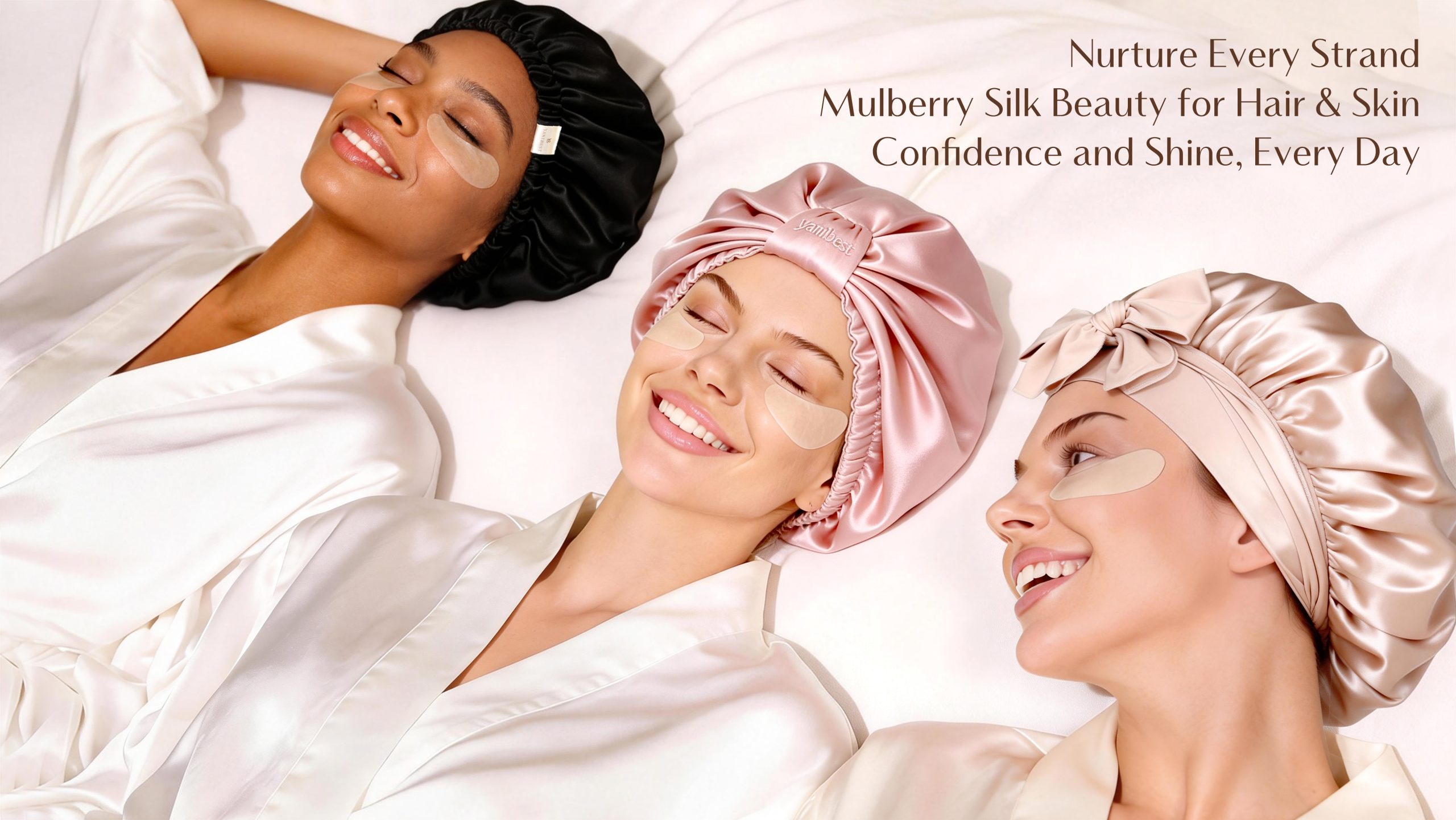
Cleanse and lightly condition hair—don’t overload with product. Detangle gently with a wide-tooth comb while damp. If you oil-treat, use a pea-sized amount on ends only. Braid or twist loose lengths to control movement; use scrunchies or silk ties to avoid metal clamps. Slip on a silk sleep mask or the lined beanie and sleep on a satin pillowcase when you can. That sequence protects moisture, reduces rubbing, and keeps styles intact.
What people do wrong
They shampoo aggressively at night, pile hair into tight buns, or use cotton caps that trap and rough up strands. Overloading serums on roots makes hair limp by morning. Avoid wet-sleeping without a protective layer; hair is weakest when wet. Do less, not more—target the ends, secure gently, and pick the right fabric against your hair.
Choosing products without getting overwhelmed
Focus on fabric first: real silk (mulberry) and high-quality satin finishes perform best. For masks and bonnets, check inner lining consistency; a loosely woven lining slips and bunches. For hair oils, pick lightweight formulas and test a small amount before nightly use. If you prefer options, a satin scarf is versatile, a lined beanie stays put for restless sleepers, and a silk mask helps replicate salon sleep treatments.
Real-world trial and why you can trust this advice
From a decade advising clients on sleep care and product fit, I test gear in real conditions. During a winter product trial in Denver—where cold, dry air commonly stresses hair—I compared a range of caps and masks for warmth and strand protection and tracked tangling and moisture loss. That field testing under typical winter conditions confirmed that a well-lined hat beats plain knit caps for preventing breakage; try a winter beanie cap with a smooth inner lining if you need warmth without the damage.
Quick troubleshooting
If hair still frizzes: tighten the braid, reduce product at roots, or switch to a higher-thread satin lining. If the mask shifts, use a low-tension silk headband to anchor it. If warmth makes you sweat, swap to lighter silk or open-weave satin. Small adjustments solve most problems—don’t overhaul your whole routine at once.
Final synthesis
Adopt a routine that prioritizes fabric and gentle handling: clean lightly, protect ends, secure hair loosely, and sleep with silk or satin contact. Those are concrete, repeatable steps that reduce damage and keep styles longer. For practical, ready-to-use options and consistent fabric choices I often reference curated selections found at yanibest, because matching the right material to your sleep habits is what makes the routine stick.