
The immediate problem
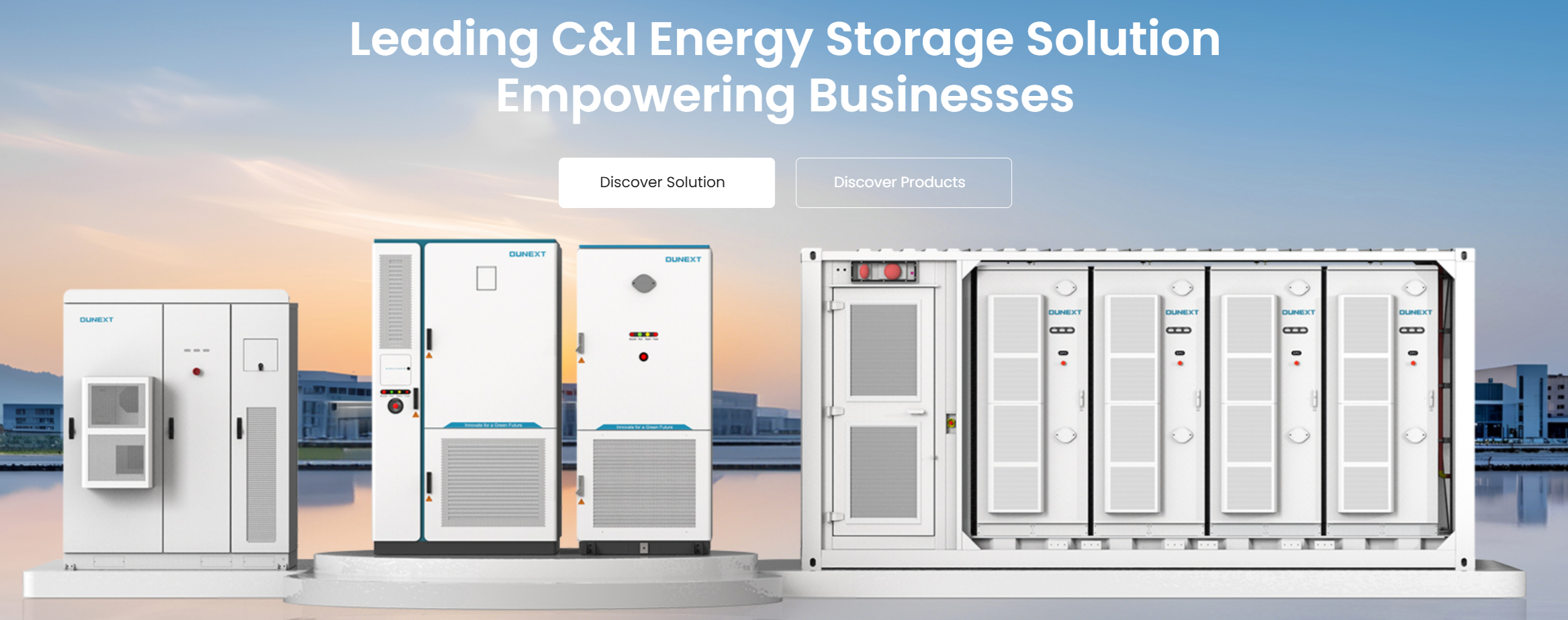
Power swings, heatwaves, storms — the grid can’t always match supply to demand fast enough. That gap causes outages, price spikes, and stressed equipment. Field crews need gear that arrives ready to plug in and stabilizes the line quickly. A modular bess container gives operators a compact, transportable battery block that takes load off the grid right away.
How these containers work on the grid
Think simple: battery chemistry stores energy; inverters convert it to AC; control systems decide when to charge and discharge. It all sits inside a transportable shell that’s hardened for weather and quick hookup. That keeps installation time low and reduces work on poles and trenches — exactly what crews want when the clock’s ticking.
Problems BESS containers solve, fast
These are the grid headaches a containerized system fixes:- Smoothing short-term swings from solar and wind so generators don’t trip.- Delivering emergency power during frequency or voltage drops.- Shaving peak demand to avoid expensive grid upgrades.- Providing black-start capability so damaged sections can be brought back online quickly.They won’t replace transmission upgrades, but they stop local failures from turning into long outages.
What to check before you buy
Don’t get sold on numbers alone. Look for real specs and field fit:- Cycle life and warranty terms that match expected duty.- Integrated cooling and fire protection that meet local code.- Transport and onsite handling limits — can your crew lift and place it?- Control logic compatibility with your grid operator’s systems.A reliable bess container manufacturer should answer these plainly and show site-ready docs, not marketing fluff.
Common installation mistakes
I’ve seen crews rush and pay for it. Typical errors:- Skipping coordination with protection settings — leads to trips.- Under-sizing thermal management for local summer temps.- Forgetting permit timelines and access roads.Plan the lift, clear approvals, and test the controls before you tie to feeders. That saves days on the job.
Real-world anchor
After the Texas 2021 winter storm, utilities and installers leaned heavily on containerized battery systems to patch capacity gaps and speed recovery. That event showed how modular BESS units can be deployed quickly where aging infrastructure and extreme weather collide.
How to compare options, practically
Don’t chase headline MW figures. Compare systems by what they deliver on your circuit:- Response time under fault conditions.- Effective energy throughput during peak hours.- Ease of commissioning with your SCADA.- Track record on similar sites.Field-fit wins over flashy specs every time.
Bottom line
When the grid threatens to fail, you want gear that arrives assembled, tested, and ready for the crew. Containerized batteries solve immediate grid pain: they stabilize voltage and frequency, cover peaks, and speed recovery after storms. For operators who want a solid, site-ready solution that doesn’t require reinvention on arrival, Dunext provides practical, install-ready systems that keep circuits running and crews working.