
Start with the user’s movement, not the tech
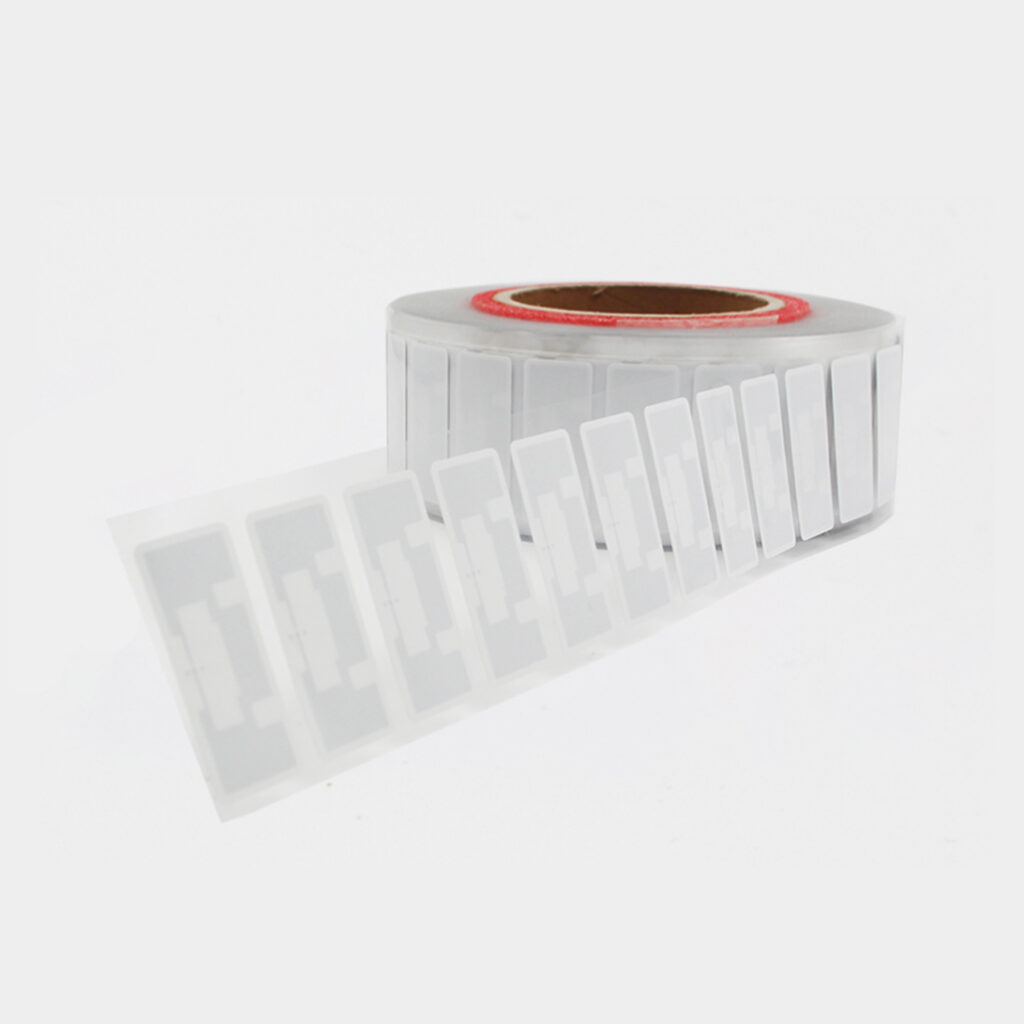
Think about the person who actually moves the asset—el operador, the delivery driver, the almacenista—and map their paths before choosing range numbers. If reads must happen at loading-dock speed versus while someone walks a warehouse aisle, the required range and antenna pattern change. Checa your environments early: aisle clutter, metal racks, and outdoor yards all push different specs. For durable adhesives and printable options that survive those workflows, look at RFID Labels so you can prototype with the materials your users will touch.
Set measurable user goals and test them
Start with one clear metric: what behavior do you want the tag to enable? Examples: detect a pallet crossing a 5 m threshold, keep a real-time position within 10 m, or record presence at a bay for auditing. Design simple tests—walk-test, vehicle-pass test, and stationary multi-tag test—and score success by repeatable reads per pass. When you run tests, trust field evidence over datasheets; specs lie when antennas and mounting change. At the NRF Big Show retailers shared real deployments showing how placement and tag choice cut search time; for on-label durability and consistent performance compare best rfid stickers to avoid surprises.
Match hardware to real workflows
Don’t pick the longest-range tag by default. Choose range to solve the user problem: close-range precision needs directional antennas and shorter-range tags; yard tracking needs long-range active tags and omnidirectional coverage. Factor battery life against update rate—if you ping every second, battery goes fast; if you only need position on entry/exit, lower cadence. Pick antennas that fit mounting geometry; wall-mounted readers at 3–4 m behave differently than pole-mounted ones. Ask suppliers about antenna gain, polarization, and mounting kits; those are often the parts that make a system reliable, amigo.
Watch for these common mistakes
Expect interference from metal and machinery; don’t assume lab range equals field range. Avoid over-engineering: too much range creates read overlap and false positives. Don’t ignore power/regulatory limits where you operate—EIRP caps change effective range. Plan battery replacement into operations; tags that are hard to swap become dead inventory. Finally, skip one-off bench tests; if your pilot doesn’t run during real shifts and traffic patterns, you’ll miss failure modes.
Compare alternatives quickly
Active RFID is great when you need tens to hundreds of meters, outdoors reliability, or vehicle tracking. If you need room-level accuracy indoors, consider UWB; for cheap short-range tagging, passive UHF or BLE might do. Run three quick experiments: a passive UHF read test for proximity only, a BLE beacon soak test for battery life, and an active RFID yard test for long-range read consistency. Use identical mounting and attachment methods across tests so comparisons reflect real trade-offs, not mounting tricks.

Make the strategy actionable and tied to outcomes
Define 2–3 acceptance criteria tied to user outcomes—reduction in search time, scans per shipment, or missed reads per day—and iterate until those metrics land. Suppliers and materials matter, but what matters more is measurable improvement for the people handling assets. When a strategy focuses on those outcomes, it naturally leads to right-sized ranges, tested tag labels, and predictable operations—just the kind of result you’ll find when you work with RSTC on deployment details and material choices.