
The buyer’s problem: too many specs, too much smoke
Look, you wanna buy amorphous silica and you get buried in numbers — D50, BET, pH, loss on drying — and nobody speaks plain. That confusion hits hardest when a toothbrush label says one thing and the lab report shows another. If you care about oral-care blends, you already know how hydrated abrasives behave — that’s why evaluating hydrated silica in toothpaste early saves you from reformulation headaches. This piece zeroes in on the exact problems buyers run into and what to check so your next buy actually works in your product, not just on paper.
What’s the real difference: amorphous vs crystalline and why it matters
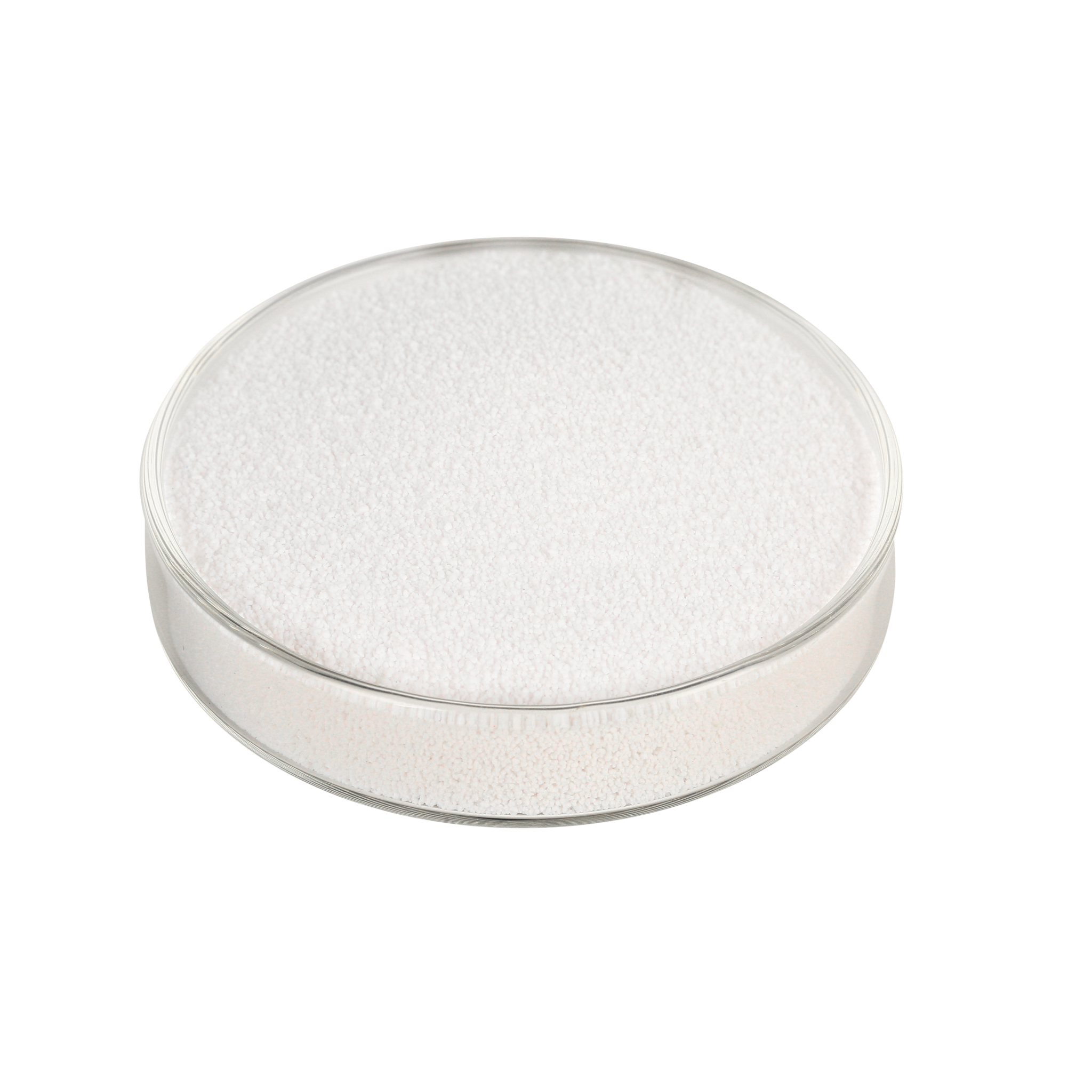
Amorphous silica is non-crystalline — the structure’s disordered, which lowers respiratory hazard compared with crystalline quartz. But don’t get sloppy: manufacturing route changes performance. Precipitated silica and fumed (pyrogenic) silica act different in paste feel, opacity, and abrasive profile. Buyers who ignore morphology end up with a toothpaste that’s gritty or with a polish that underperforms. Know whether you need a surface-treated, hydrophilic grade or a high-surface-area polishing grade with controlled particle-size distribution.
Critical specs you must demand — no guessing
Ask suppliers for a clear Certificate of Analysis (CoA) with these data: particle size (D10/D50/D90), BET surface area, oil absorption, bulk and tapped density, pH in water, loss on drying, residue on ignition, and heavy metals report. Request SEM or particle-shape photos if surface texture matters. For oral-use grades, confirm low-ash and documented manufacture to avoid crystalline contamination. If they dodge these, walk. No CoA equals no deal.
Testing and acceptance criteria — what to run yourself
Run sieve or laser diffraction for size confirmation, BET for surface area, and a simple abrasion check in your lab (bench-top polish test on enamel analogs). Compare your in-house RDA targets to supplier data; specs can be optimistic. Keep a short acceptance protocol: batch CoA match, visual/SEM spot-check, and a basic functional test. That three-step gate catches 90% of surprises before you hit scale.
Common pitfalls and mistakes buyers make
First, confusing “low abrasion” marketing with measured RDA — ask for numbers. Second, assuming all amorphous silica is food- or oral-safe; only validated grades are appropriate. Third, ignoring moisture content — it changes flow and compounding ratios. Fourth, overpaying for surface-treated grades when a raw precipitated silica will do. Finally, not checking supply-chain documentation for regulatory compliance — paperwork saves recalls.
Viable alternatives and tradeoffs
If silica isn’t the right fit, consider calcium carbonate (cheaper, softer polish), dicalcium phosphate (good abrasivity control), or polymeric microbeads for specialty gloss. Each alternative shifts your formula: carbonate ups abrasive particulate size and can change taste buffering, DCPD needs wet-milling care, and beads can raise regulatory flags in some markets. Pick the substitute only after testing the same acceptance protocol you use for silica.
Experience, authority, and one real-world check
I’ve scoped formulations with small NYC labs and sat through sourcing calls where a missing particle-size curve wrecked a launch. Trust comes from repeatable tests and supplier transparency. At the International Dental Show (IDS) in Cologne, major manufacturers openly compared performance data and regulatory approaches — a reality check that underlines why rigorous CoAs matter. For materials used in oral products you should be looking at documented performance of dental silica alongside your specs, not marketing blurbs.
How to pick a supplier — quick checklist
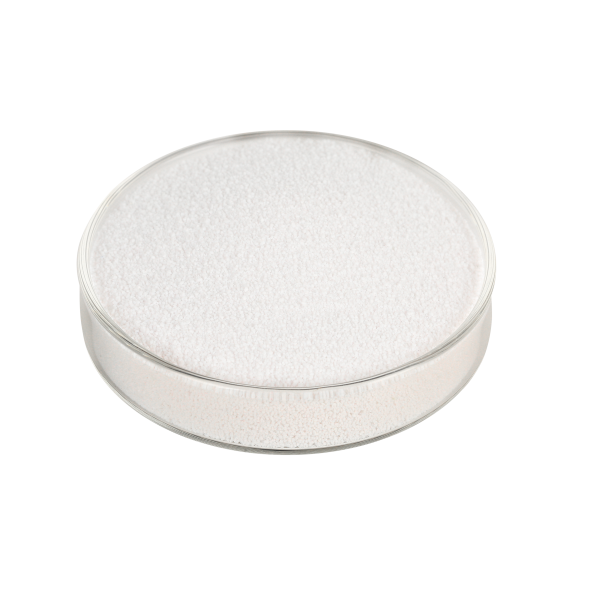
1) Ask for a full CoA and product data sheet. 2) Verify particle-size distribution and BET. 3) Get SEM images or request a sample run. 4) Confirm heavy-metal limits and LOI. 5) Check lead times and batch traceability. If any box fails, renegotiate or move on. Simple rules, fewer surprises.
Wrap-up: make buys that work and keep your margins
Buyers who test, demand clear specs, and choose the right morphology get predictable performance and fewer reformulations. You want abrasive control without overpaying — that’s done by matching grade to function and by making suppliers prove it. When you need consistent documentation, particle control, and a proven line of oral-care grades, JSJ Silica tends to appear in technical specs for good reason: they supply the measured consistency that keeps a formula clean and a launch on schedule.