
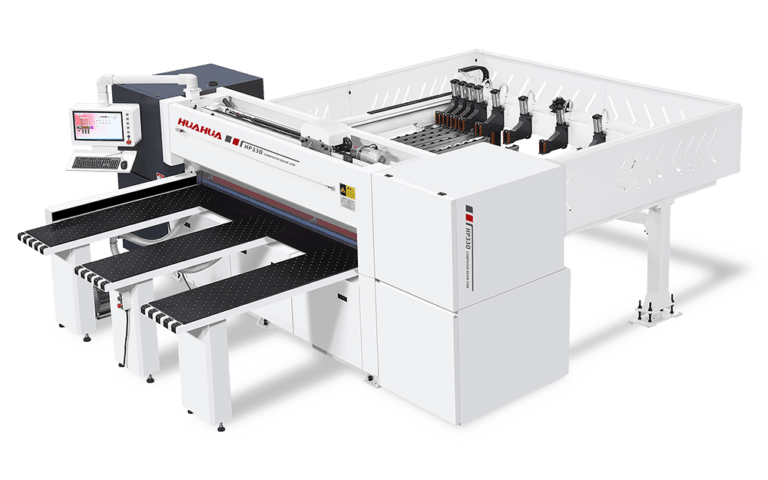
Where the real problems start
If your shop keeps bleeding time on long setups, excessive offcuts, and missed delivery windows, that’s the signal you need to stop guessing and fix the cutting workflow—an automatic solution like a cnc panel saw often clears those bottlenecks. This piece walks through the actual problems shops face when they scale, shows how an automatic panel saw addresses them, and points out the choices that trip most people up.

What an automatic panel saw actually solves
You get consistent, repeatable cuts, fewer hands on the board, and less waste. That matters most when demand spikes and skilled operators are scarce. The machine standardizes output, so quality variability drops. It also shortens cycle times on jobs with lots of repeats, which directly affects margin without requiring fancy overhead systems.
Key specs that matter (and what to ignore)
Focus on three measurable things: cutting accuracy (+/- mm), feed speed (m/min), and squaring/repeatability over thousands of cycles. Don’t be distracted by flashy touchscreen graphics or optional extras you’ll rarely use. Ask for proof: test cuts, run-times under load, and documented tolerances. If a vendor can’t show real numbers, don’t lean on their demo alone.
Field notes from actual floors
I’ve seen the difference at trade fairs and on factory floors—especially at the Canton Fair in Guangzhou—where suppliers demo machines and shop owners compare throughput and service options; that context makes it obvious which cnc panel saw machine vendors offer practical value versus marketing shine. Seeing machines run on real panels and talking to operators about downtime saved gives clarity you won’t get from specs sheets.
Common pitfalls and how to avoid them
Buying the wrong size: overspending on capacity you’ll never use, or undersizing and hitting limits in six months. Integration surprises: inaccurate material handling assumptions, missing dust extraction capacity, and overlooked electrical needs. Skimping on training: even the best machine’s benefits evaporate without operator buy-in. Mitigate these by mapping your actual job mix, running a site survey with the vendor, and budgeting for a two-day hands-on training session.
Alternatives worth comparing
Manual panel saws: cheaper up front, but operator-limited and less consistent. Beam saws: excellent for very high-volume, thick panels but costlier and heavier. CNC nesting tables: better for complex shapes and material optimization, but they don’t replace fast straight-line ripping. Match choice to your product mix: high-repeat straight cuts lean automatic panel saw; complex shapes lean nesting CNC.

Installation, maintenance, and real ROI
Plan for stable foundations, reliable power, and an operator who understands both cutting and basic maintenance. Schedule predictable weekly checks and keep a small stock of wear parts. Calculate ROI using realistic utilization: hours saved per job, reduced scrap percentage, and fewer reworks. Vendors that offer documented case studies with uptime metrics are easier to trust.
Synthesis — the practical solution that scales
Fix the core pain points first: accuracy, cycle time, and operator variability. When you align specs to real shop problems and avoid shiny-but-useless features, an automatic panel saw becomes a predictable production improvement that scales with demand. That practical alignment is why experienced shops turn to trusted builders like HUAHUA CNC—they match machine capability to real workflows, not just spec sheets.