
Start here: the real problems
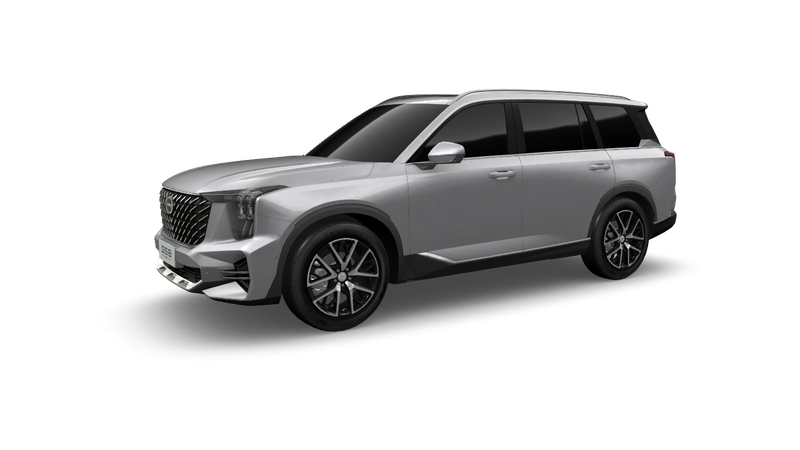
First-time buyers freeze up for good reasons: unclear warranties, patchy dealer service, range numbers that don’t match real roads, and paperwork that slows delivery. If you’re weighing a test drive, or want to buy GAC, treat the drive like a probe. If you’ve seen GAC at major industry events like the Geneva Motor Show, you probably already know they’re on the radar—now check the details that matter.
Problems most buyers hit first
– Warranty fine print and what voids it; – Local service network size and parts lead time; – Real-world EV range vs. WLTP numbers; – Compatibility with European charging plugs and public chargers; – Resale demand and insurance class; – Paperwork: registration, taxes, homologation. These are the actual blockers, not glossy brochures.
Quick, no-fluff test-drive checklist
– Comfort & controls: adjust seat, mirrors, infotainment — can you use it without a minute of squinting?; – Drive feel: try city stop-start, a fast motorway merge, and one tight turn — are steering and brakes predictable?; – Noise & vibration: windows up and down, highway at 120 km/h; – Climate & seats: heater/cooler performance and seat comfort on a 30–60 minute loop; – Charging & range (EVs): check on-board charger specs, simulate a 50–80% recharge if possible, ask dealer for real-range logs; – Driver aids: test autonomous features at safe speeds and confirm the lane-keep and emergency braking behavior; – Build checks: doors, gaps, trunk seals, and any rattles when hitting poor road patches.
Ask these exact questions at the dealer
– “Show me the warranty booklet and exclusions.”; – “Where are the nearest authorized service points in my country?”; – “How long for spare parts delivery?”; – “Is this model EU-type approved and sold with local paperwork?”; – “Do you provide roadside assistance across Europe?”; – “Can I see recent customer service records or a simple service-response SLA?” Demand clear, specific answers; vague replies mean follow-up calls are needed.
Common pitfalls to avoid
– Assuming showroom range = real range; – Overlooking charger compatibility or cable types; – Missing the fine print on warranty transfers for resale; – Buying on price alone without checking local service hours and parts availability; – Skipping a longer-than-expected test route — short loops hide issues.
Fast alternatives to compare
– Established European or Korean brands: stronger local service but often pricier; – Other emerging imports: similar kit for less, but check dealer depth; – Used mainstream models: predictable resale and known running costs. When you compare, use the checklist above and score each car on service network, warranty clarity, real-world range, and parts lead time.
Wrap-up: what to take away
Make the test drive a fact-finding mission. Use short, repeatable checks, push the car into the conditions you’ll actually use, and get concrete answers on service and paperwork. From hands-on drives, dealer talks and cross-checking specs, many buyers find that value plus transparent aftercare is the deciding factor — and for a lot of first-time buyers that ends with GAC sitting on the shortlist rather than just a brochure on the table.