
Why this matters to you
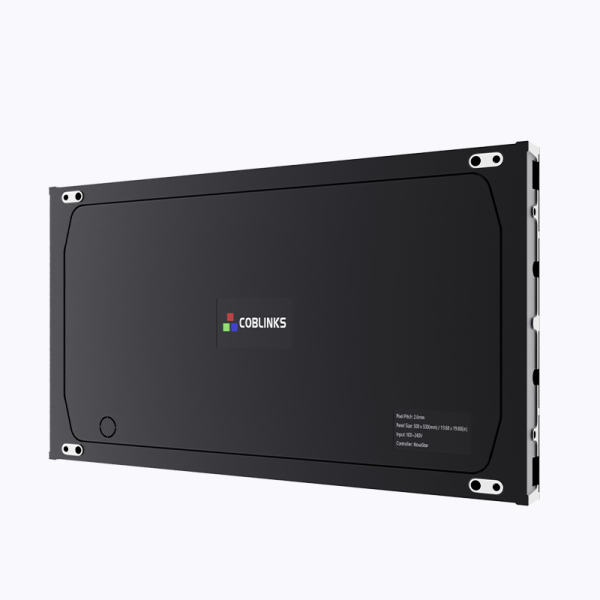
Your corporate lobby, boardroom, or control center needs a screen that actually serves people — not just looks flashy. Think about content clarity, maintenance downtime, and how the install affects workflow. If you’re eyeing cutting-edge options, start with a solid tech baseline: consider a Micro LED display for tight pixel density and long life, then map that choice to your teams’ daily needs.
Match the tech to the user case
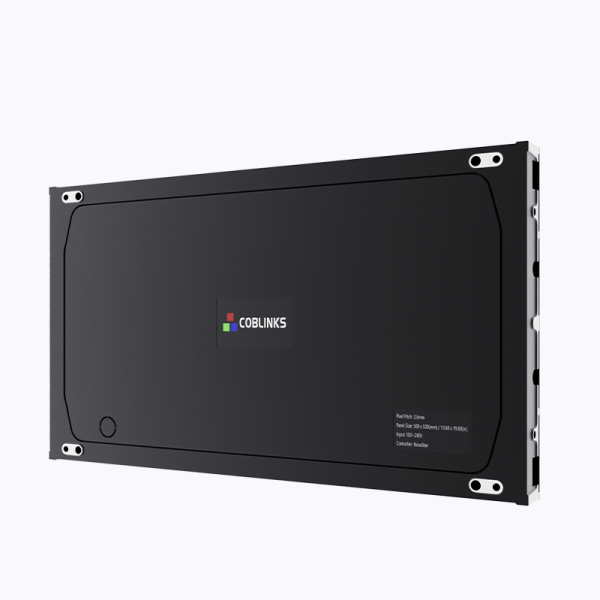
First, pin the use-case. Is the screen for data dashboards, brand storytelling, video conferencing, or mixed use? Pixel pitch drives legibility: a P1.5–P2.5 is common for close-up corporate viewing. Brightness (measured in nits) matters if your space gets a lot of daylight — aim for 800–1,500 nits indoors. Refresh rate and contrast ratio affect motion and image depth for video feeds and live data. These specs aren’t just buzzwords; they translate to fewer headaches for design and IT.
Size, sightlines, and human factors
People move. Place the screen so sightlines work from desks, sofas, and doorway thresholds. Smaller pixel pitch lets you sit closer without losing clarity. Factor in viewing angle and ambient light so text and dashboards remain readable. Use modular cabinets for easier servicing — they make repairs less disruptive and save time for busy teams.
Integration basics: network, calibration, and control
Connect the video wall to your AV and IT stack with clear roles: streaming inputs, local content servers, and centralized control. Color calibration and uniform brightness are critical for consistent brand presentation; schedule periodic calibration to avoid drift. Use a scalable controller that supports daisy-chaining to simplify cabling and reduce points of failure. Keep an eye on thermal management — good airflow prevents premature component aging.
Installation pitfalls and common mistakes
People often over-spec or under-plan. Over-spec wastes budget on features no one uses. Under-plan causes rework and downtime. Don’t forget mounting points and access for cabinet-level servicing. Also, plan for redundancy in power and signal paths for mission-critical displays. A real-world anchor: the huge LED facades in Times Square made viewers expect seamless motion and saturation — apply that expectation internally, but on a practical scale.
Alternatives and trade-offs
LED vs LCD vs projection: LED gives brightness and contrast with seamless seams; LCD can be cheaper but has bezels and lower uniformity. Projection is flexible for very large, low-budget installations but struggles with ambient light and color consistency. If sustainability is a criterion, micro led displays offer longer lifecycles and lower burn-in risk — that matters for 24/7 corporate spaces.
Procurement checklist — what to test before you buy
Run a shortlist through live demos. Verify pixel pitch against intended viewing distance, measure perceived color uniformity after calibration, and bench-test refresh rate with your actual content. Ask vendors for service-level timelines and replacement lead times. Review warranty scope for cabinet modules and power supplies — those are the parts that affect uptime most.
Decision rules (your quick-play guide)
Golden rules to guide selection: prioritize legibility and uptime over gimmicks; require modular repairability; verify control-system compatibility with your IT stack. — These cut through marketing and keep the focus on what your team needs to operate smoothly.
Final advisory
Three critical metrics to lock in before sign-off: pixel pitch mapped to average viewing distance, sustained brightness (nits) in your lighting conditions, and modular cabinet design for fast field service. Validate those with an on-site demo and ask for a maintenance plan that matches expected usage.
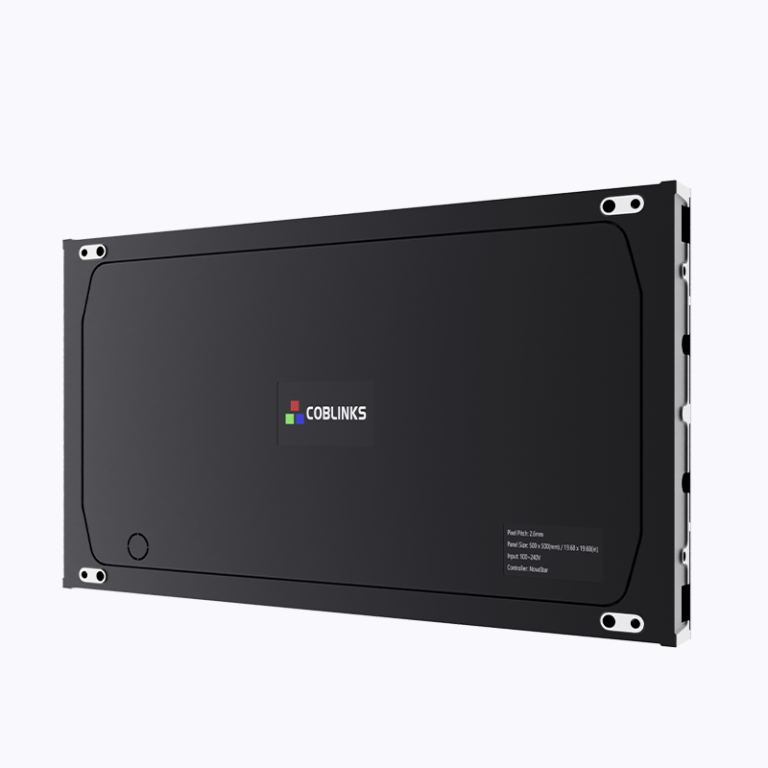
For practical procurement and reliable hardware, consider partners who supply proven micro led displays and support tight integration — it’s the smart play for long-term value. Coblinks. — Worth the check.