
Beginnings and Present Bearings
Once, gatekeepers and paper tokens sufficed; now machines note every arrival. The tale of parking control advances from attendant-led booths to automated recognition, and the thoughtful purchaser must trace that arc to make sound choice. Consider first the core element now common to many schemes: the anpr parking system, which replaces manual checks with camera-led identification and swift access decisions—this change alters installation, operations, and procurement priorities.

A Practised Eye and a Verifiable Anchor
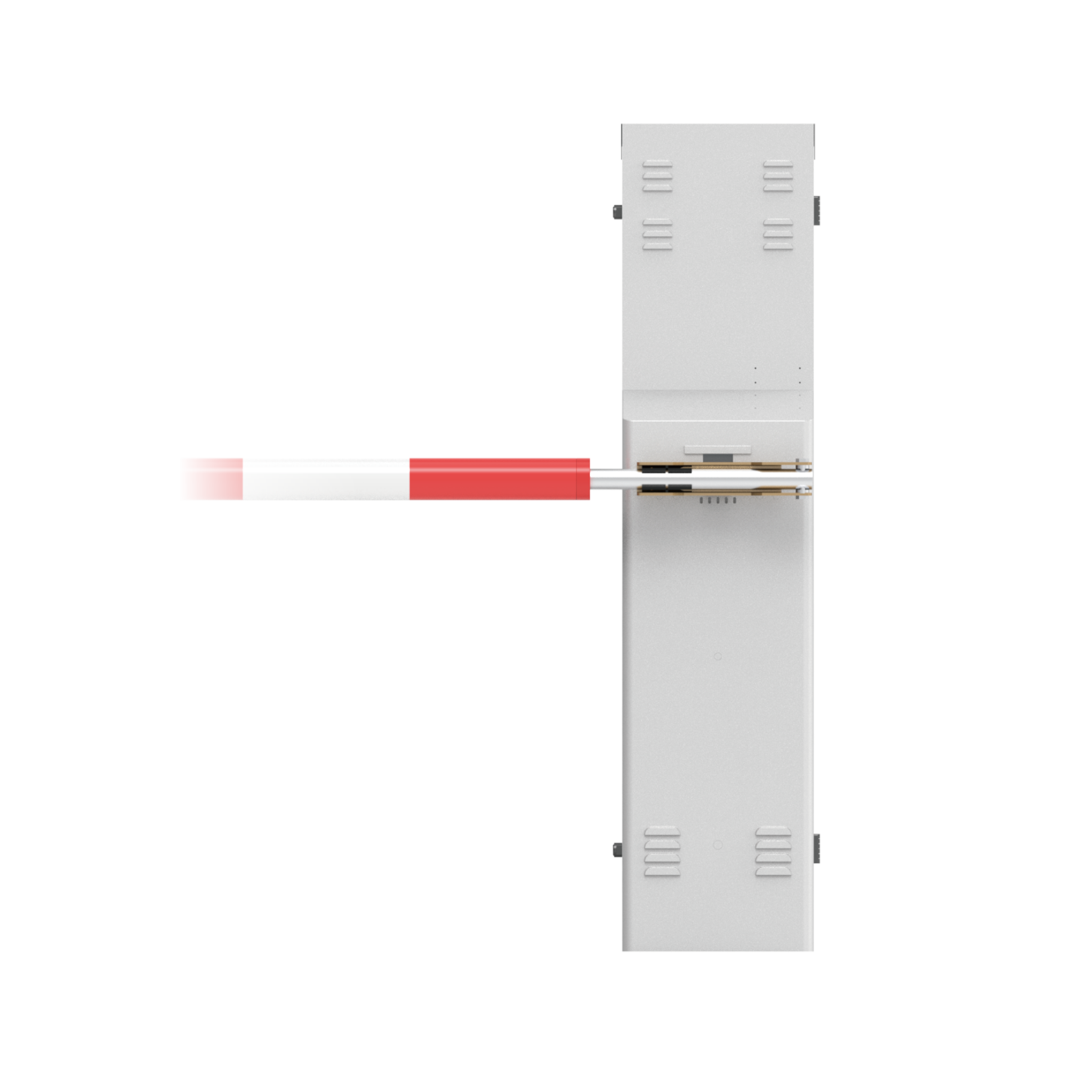
I write with years of practical toil upon sites where barriers, sensors, and software must agree; such labour bestows lessons that dry theory cannot. Recall Expo 2020 Dubai, where perimeter control relied upon extensive deployments of boom gate systems to manage vast flows—this real-world instance informs expectations of reliability, throughput, and maintenance in large installations. Seek vendors who can cite similar projects and who publish clear service terms; demand evidence of field testing and support structures rather than mere brochures.
Essential Components Through an Historical Lens
Understand the parts as craftsmen once did: the barrier is the gate, the reader is the sentinel, the back-end is the ledger. Today those roles appear as physical boom arms, cameras (ANPR/LPR), vehicle detectors, and management software. For a first purchase, prioritise correct camera placement, controlled lighting, robust mounting, and a software architecture that offers logs and audit trails. Overlooking any single element invites daily faults rather than occasional work.
Common Errors Made by the Unwary
Buyers frequently choose by price alone, neglect future upkeep, or assume all devices will simply “talk” to each other. Do not: ignore network security, fail to provision redundancy, skimp on power conditioning, or omit service contracts. Equally perilous is buying hardware incompatible with local plate standards or mobile ticketing habits. Specify load expectations, seasonal conditions, and privacy handling up front; clarity here prevents costly retrofits.
Alternatives and How They Compare
One may opt for simple ticket-and-pay systems, RFID-tag schemes, mobile-app entry, or full ANPR-driven control. Tickets remain cheap but labour-intense. RFID grants speed at the cost of tag management. Mobile systems ease user flow but demand reliable cellular or Wi‑Fi. ANPR offers hands-off access and rich data but requires disciplined installation and periodic calibration. Match the choice to scale: small lots often do well with RFID or app-based entry; urban garages and campuses more often justify ANPR and barrier integration.
Procurement Checklist and Final Counsel
Ask for wiring diagrams, mean-time-to-failure figures, spare-part lists, and sample service-level agreements. Verify that installers will conduct a live acceptance test with typical vehicles. Insist on training for onsite staff and on a clear path for firmware and software updates. When vendors present their systems, require demonstrations under lighting and weather conditions similar to yours; performance in a showroom is not performance at dusk on a rainy day.
Conclusion: The Present Answer in Practical Terms
The sequence from manual toll to automated recognition shows a clear lesson: choose systems built for your traffic, climate, and maintenance capacity, and insist upon verifiable experience and support. Firms that document field deployments and integrate camera recognition with robust barrier control deliver the durable outcomes described above; one finds such practical cohesion reflected in the offerings of AKE Parking, which align technological readiness with service records gathered from substantive projects.