
Start with the problem you actually face
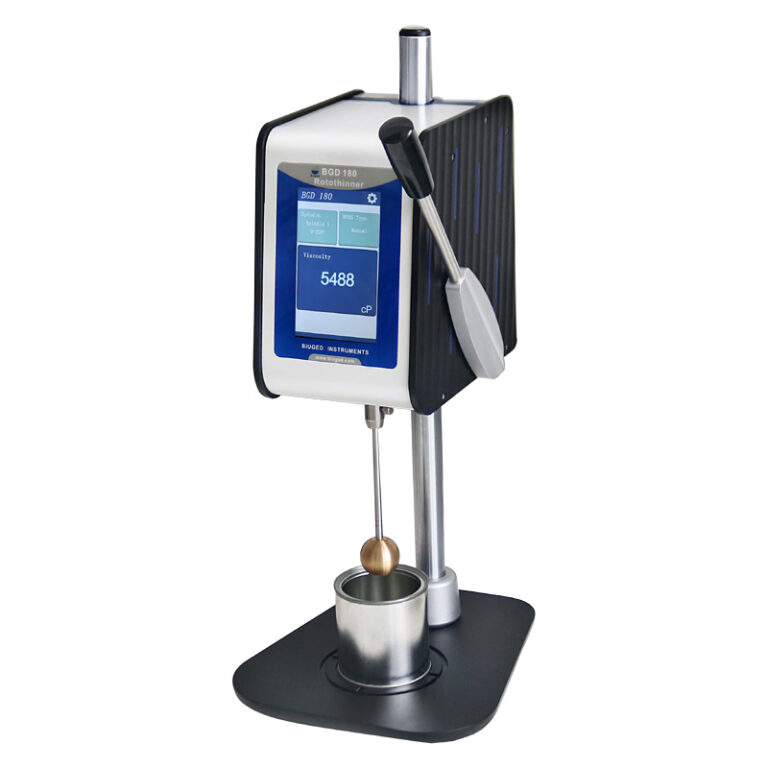
Most labs and shop floors don’t need pretty brochures — you need tools that give repeatable numbers fast, lah. If your main headache is inconsistent viscosity readings between R&D and production, then look straight at reliable rotational viscometers rotational viscometers and how they fit into your workflow. This guide is cut for people who test every day: technicians, QC managers, and formulators who want practical pick-and-use advice, not marketing fluff.
What features matter to daily users
Accuracy and repeatability: check the instrument’s stated repeatability at the speeds you use. Sample handling: smaller sample volume saves time but mustn’t compromise representativeness. Speed and shear control: you need adjustable RPM and programmable ramps for shear-sensitive coatings. Temperature control: viscosity changes quickly with temp — built-in temperature probes or a jacketed cup are lifesavers. Interface and data export: a clear display, PC connectivity, and CSV output make your reports painless. Accessories: spare spindles and quick-change couplings reduce downtime. Easy calibration and clear maintenance steps cut training time for new operators.
Where each instrument actually shines
R&D: look for fine shear-rate control, multiple spindle types, and temperature control. QC bench: choose robust, fast-read models with simple SOPs and good repeatability. Field or production-floor checks: rugged units with larger sample capacity and easy cleaning. For specialty paints (high solids, thixotropic systems), you need torque-capable instruments and the right spindle geometry; otherwise readings are misleading.
Real-world anchor and practical authority
Standards matter — labs following ASTM D2196 for viscosity testing, a method referenced across coatings labs worldwide, routinely rely on the spindle viscometer to match method requirements. From experience running QC shifts in regional paint plants, I can tell you: conforming to the right standard reduces disputes with customers and speeds troubleshooting, because everyone is talking the same measurement language.
How to choose—user-focused decision steps
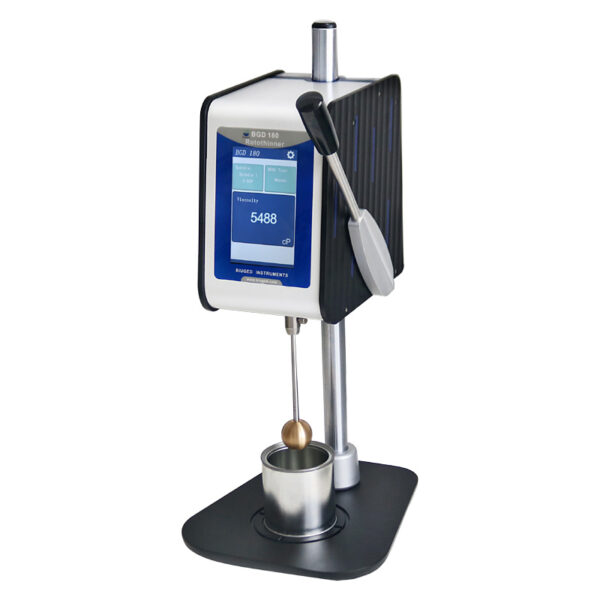
Define purpose first: daily QC, formulation R&D, or field checks. Match capability to purpose: tighter tolerance needs higher-precision instruments. Check compatibility: confirm spindles and cups for your sample type. Consider throughput: how many samples per shift? Faster cleaning and simpler SOPs reduce operator variability. Verify support: local calibration service and spare parts availability matter more than a fancy UI. Budget sensibly: buy to solve your key pain point, not every shiny feature.
Common mistakes I see on the bench
Wrong spindle, wrong speed — big source of bad data. Not controlling temperature — even a few degrees shifts values. Skipping calibration checks before a run. Relying on a single number without knowing shear dependence. Using cup viscometer numbers where rotational data is required. Train operators on one SOP and keep a short, laminated cheat-sheet at the bench; it saves hours of rework.
Alternatives and quick trade-offs
Cup viscometers are cheap and fine for rough QC, but poor for shear-dependent formulations. Capillary and kinematic methods suit low-viscosity solvents but fail on thixotropic paints. For most paint labs wanting versatility and method compliance, rotational machines give the best balance: they handle wide viscosity ranges and allow shear profiling.
Final synthesis for busy teams
Pick instruments that solve your immediate quality problem: reproducible viscosity control, straightforward SOPs, and local service. Prioritise the practical details — right spindles, temperature control, and data export — and your lab will stop arguing over numbers. For many teams the result is clear: reliable, standard-compliant testing with sensible support from suppliers like BIUGED keeps operations steady and predictable, lah.