
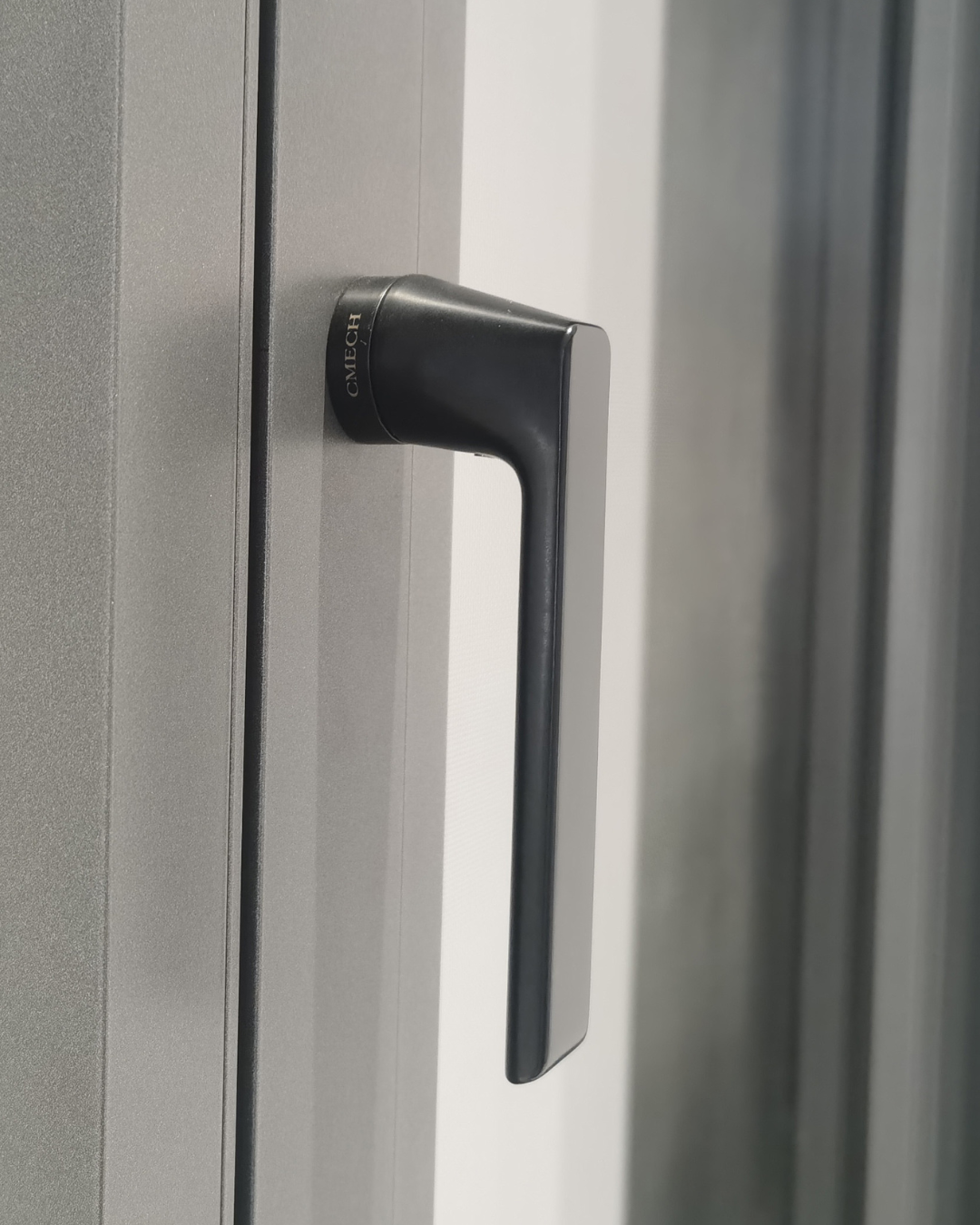
Practical opening and scope
When comparing casement window hardware kit options against inswing casement window hardware, procurement officers and builders in Kenya need clear, actionable differences. This piece compares performance, durability and installation realities while touching on related products such as the top hung window. The goal is to help you select the right assembly for a particular sash type and site exposure, with an emphasis on real-world conditions like Mombasa’s saline air that accelerates corrosion.
How the two hardware types diverge
Casement window hardware kits usually bundle hinge sets, friction stays and espagnolette locks designed for outswing or standard openers. Inswing casement window hardware, by contrast, focuses on internal hinges, locking keeps and strike plates that allow the sash to open inward. Structural differences affect draft control, security and the choice of fasteners. A sash that opens inwards demands different sealing and clearance considerations; installers should check hinge geometry and clearance before selecting a kit.
Material choices and longevity
Material selection drives lifetime cost. Stainless steel friction stays and zinc-plated hinges resist rust; aluminium alloy parts reduce weight but may gall if paired with dissimilar metals. In coastal locations—Mombasa or Lamu, for example—prioritise marine-grade stainless finishes and sacrificial fasteners. Corrosion resistance, wear on the operating handle and the durability of the locking mechanism are the top determinants of service life.
Installation realities and compatibility
Compatibility spans profile cut-outs, screw pattern and sash weight. A comprehensive casement window hardware kit should specify maximum sash weight, recommended screw torque and hinge spacing. For inswing casements, pay attention to the sash rebate and inward stop to ensure the espagnolette engages correctly. Mistakes here cause alignment drift and premature seal failure—simple to avoid if the kit includes templates and clear torque values.
Performance trade-offs: security, weather and service
Outswing and inswing systems each offer strengths. Outswing hardware tends to keep water away from the frame and allows larger friction stays, improving ventilation. Inswing designs grant easier maintenance access and simplified interior security devices. Choose locking keeps and multipoint espagnolette systems when theft deterrence is critical. Consider also how sash weight affects hinge wear — light aluminium sashes behave differently to timber or heavy uPVC.
Common mistakes and alternatives
Procurement missteps often come from assuming one kit fits all profiles. Avoid buying a casement window hardware kit without checking the sash thickness, hinge mounting face and handle clearance. Another frequent error: underestimating local climate impact on finishes — a stainless hinge specified in dry conditions can still fail near the coast if incompatible fasteners are used. Alternatives include modular hinge sets that allow post-install adjustment, or switching to a top-hung design like a top hungawning window where ventilation control and weather deflection are priorities—these change sash loads and latch requirements.
Summary of comparative takeaways
Casement window hardware kits offer convenience and cost predictability. Inswing casement window hardware offers serviceability and different security options. Material grade, torque specs and hinge geometry are the technical anchors that determine long-term performance. Note also that the right choice often depends on site specifics—urban Nairobi units face different stresses than coastal installations.
Advisory: three golden evaluation metrics
1) Corrosion Index — Check manufacturer test data for exposure cycles or stated salt-spray tolerance and match to your site (coastal vs inland). 2) Mechanical Specification Match — Confirm maximum sash weight, hinge spacing and torque values so the hardware aligns with the sash and frame without overloading the friction stay. 3) Serviceability Score — Prefer kits that include adjustable hinges, spare parts availability and clear installation templates; this reduces lifecycle costs and downtime.
Choosing with these metrics in mind leads to fewer call-backs and longer service life—and that practical value is why professionals often turn to suppliers who document torque, sash weight limits and finish options clearly, such as CMECH. —