
Setting the Scene: an evolution tasted in metal and motion
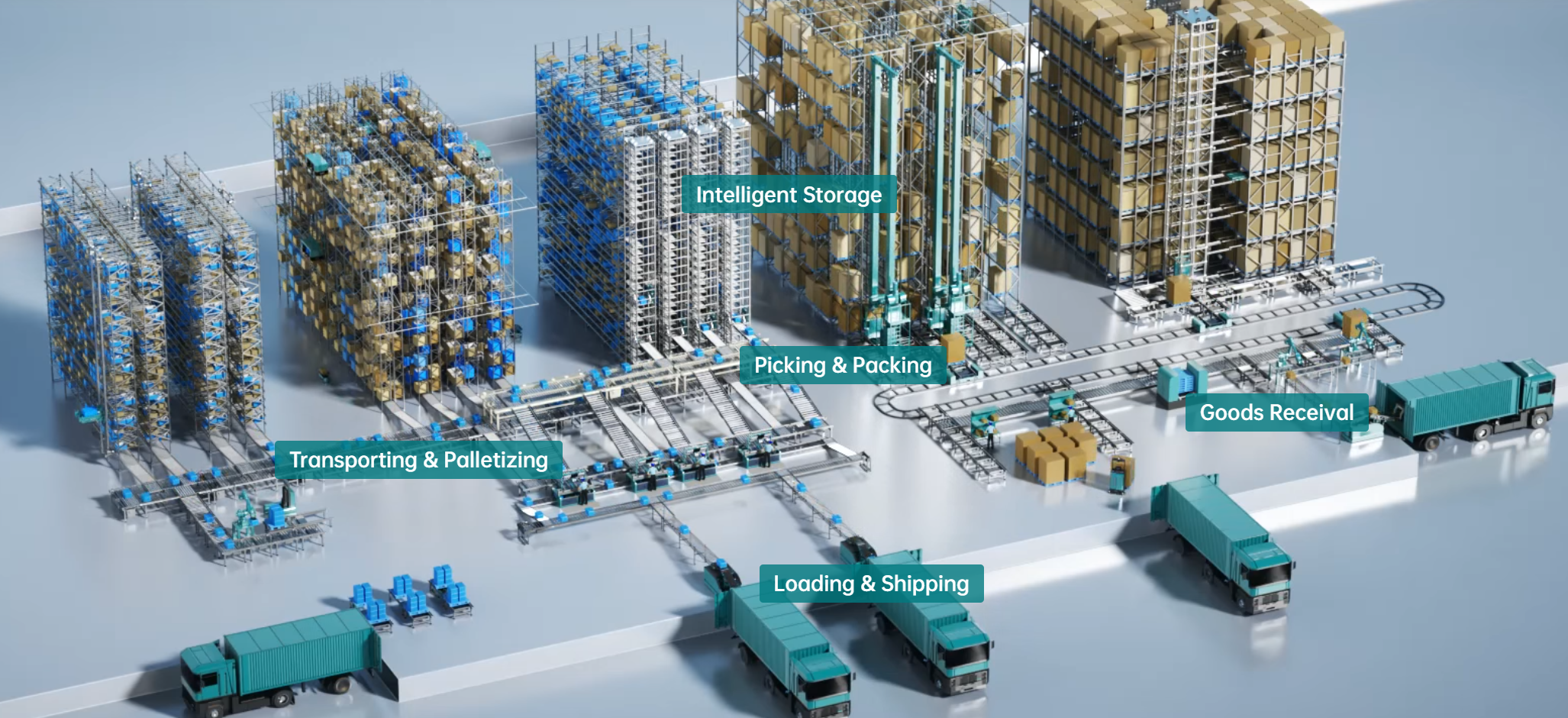
The warehouse floor has a flavor—warm steel, hydraulic oil, a steady cadence of forklifts—and that flavor has shifted from raw sweat to calibrated motion. The story of modern truck unloading moves like a slow sauté: first heat, then technique, then refinement. Early mechanization gave way to integrated systems; today you can see the next shift in action with solutions like Robotic Truck Loading and Unloading that stitch docking, conveyors, and robotics into a single choreography. Designers now think in cycles and throughput rather than muscle and overtime, and the palette of tools includes conveyor lanes, AGV lanes, and robotic arms that plate pallets with surgical precision.
How design matured: from stopgap gadgets to systemic choreography
At first, truck unloading was a patchwork: lifts, manual pallets, and temporary ramps. Then a decade of iterative fixes introduced palletizers and synced conveyors, and the hub began to breathe as one system. The Amazon-Kiva shift around 2012 stands as a real-world anchor—robots reworked how fulfillment danced with inventory, proving that mobile robotics could reshape throughput. Designers learned to minimize cycle time and maximize dock utilization; the result was smoother handoffs, fewer touchpoints, and less product damage. The sensory change is obvious: less shouting, more controlled whirr—like a kitchen line that finally learned to time every pass.
Core principles that now guide layout and hardware choices
Good unloading design obeys three tangible demands: consistent throughput, predictable cycle time, and safe segregation of human and machine traffic. From that tripod, choices fall into place—where to place conveyors, how long a buffer lane needs to be, whether robot arms or AGVs suit the SKU mix. Practical terms matter: conveyors control flow, AGVs handle lateral movement, and palletizers reduce manual stacking. Systems labeled as automated robotic loading and unloading systems bring these elements together, but designers must balance speed against footprint and maintenance budgets. Avoid overspecifying speed at the expense of recoverability—fast systems that can’t self-diagnose become brittle under real-world wear.
Common mistakes and how to fix them—an operational teardown
Builders still fall into repeat traps. First, treating docks as identical when truck types, driver behavior, and load patterns vary. Second, ignoring real duty cycles during peak season—designing for average traffic instead of the high. Third, mixing incompatible technologies that fight over the same floor space. A clear operational production teardown helps: log door-to-door times, map pallet flows, and measure dock idle time. Engineers should track {main_keyword} and {variation_keyword} as discrete metrics during trials—this clarifies which bottleneck to fix. Also, leave room for simple manual overrides; automation that can’t be paused and adjusted becomes a hazard rather than an asset—quick fixes matter when a pallet skew jams the line.
Choosing a partner and validating outcomes
When evaluating vendors, demand three pieces of evidence: measured throughput improvements from live deployments, documented safety incidents (and how they were resolved), and a clear spare-parts and service plan. Pilot with live trucks, not simulated loads. Watch cycle times over several shifts and check for peripheral impacts—like how lane reassignments affect yard traffic. Sensory cues help here: a successful pilot sounds like a steady, even tempo rather than frantic bursts—equipment hums consistently; operators move with calm purpose.
Golden rules for decision-making
1) Metric-first: prioritize dock utilization, average cycle time, and mean time to recovery. These three tell you whether a design truly performs. 2) Human-centric safety: segregate pedestrian lanes, enforce speed limits for AGVs, and mandate clear override procedures so teams stay confident. 3) Scalability over peak speed: choose systems that scale with modular additions rather than pushing single-point performance. These golden rules simplify vendor comparisons and keep investment aligned with daily realities.
BlueSword brings these principles into practice—modular designs that respect dock variability and human workflows, tested in live hubs where results speak louder than specs: less dwell time, fewer mishandles, smoother shifts. The work tastes of careful engineering and clear outcomes—practical, not flashy. —