
Why comparing breathing machines actually saves time (and sleep)
Clinicians and patients don’t need another jargon-heavy brochure; they need clarity. This comparative piece cuts through the noise and shows how adaptive pressure control changes outcomes, starting with simple tools like the cpap device and moving up to more nuanced BiPAP systems. Think of it as a field guide: performance, patient comfort, and real-world deployment matter most, and those factors decide whether therapy actually gets used every night.
Real-world anchor: a quick pandemic lesson
The COVID-19 pandemic pushed home ventilation and spare-capacity planning into the spotlight, driving rapid innovation and tighter collaboration between hospitals and manufacturers. That surge revealed two things: supply chains can buckle, and user-centered features—like leak compensation and intuitive ramps—determine whether a device helps a patient or just collects dust on a shelf.
Head-to-head: what each modality brings to the bedside
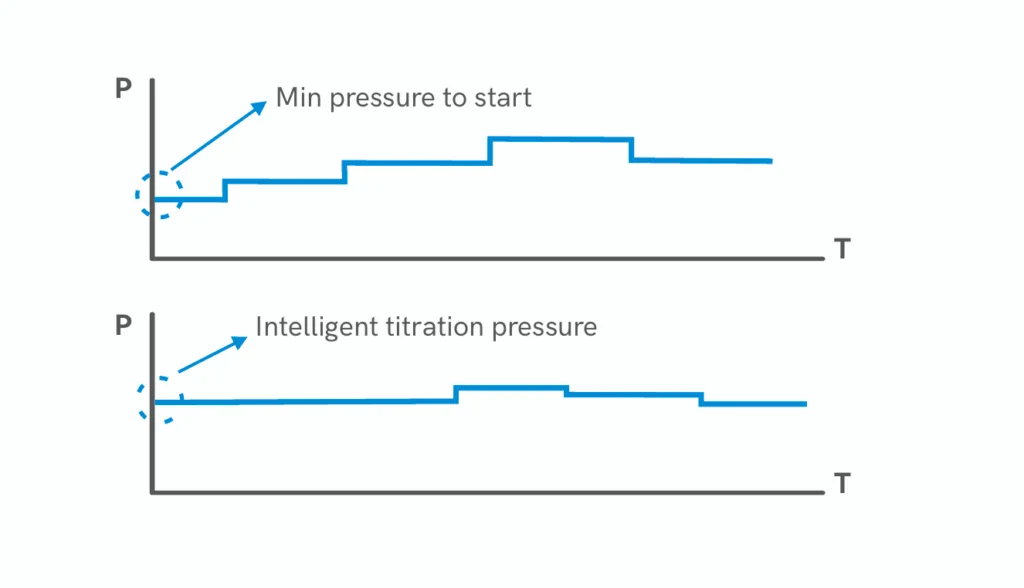
Technology matters less than matching the tech to the patient. Briefly: CPAP supplies fixed positive airway pressure, APAP auto-adjusts pressure throughout the night, and BiPAP introduces separate inspiratory and expiratory pressures to offer pressure support. Clinicians should weigh three practical dimensions: symptom control (apnea-hypopnea reduction), adherence (comfort + noise profile), and clinical complexity (setup and monitoring burden).
Design and manufacturer signals that actually predict outcomes
Not all suppliers are equal. When evaluating a bipap machine manufacturer, look for transparent performance specs, accessible service networks, and clear software for remote monitoring. During bench runs—what engineers call an operational production teardown—teams track {main_keyword} and {variation_keyword} alongside leak compensation and tidal volume metrics, so those data points should be available or at least summarized for clinicians.
Common mistakes teams make when choosing equipment
Buyers often chase headline features instead of outcomes. Avoid these traps:- Prescribing the most complex device when a simple APAP would meet the patient’s needs, which reduces adherence.- Overlooking user interface and mask compatibility; a clever algorithm is useless if the patient fights the interface.- Ignoring service and training; even the best device needs follow-through.
Also, don’t fetishize specs—clinical validation and user feedback matter far more than a long list of bells and whistles. — A short reality check that saves time later.
Quick tech checks clinicians should request
Ask for these three verifiable items before procurement: true leak-compensation performance across common masks, pressure-delivery accuracy at clinically relevant flow rates, and remote-monitoring fidelity (how often does data sync and what fields are reported). Manufacturers who can demonstrate these in reproducible tests save clinics troubleshooting hours and patients therapy failures.
Three golden rules for selecting the right device
Adopt these evaluation metrics as routine:1) Clinical fit: Measure expected apnea-hypopnea index improvement against device capability and patient phenotype. 2) Usability score: Track first-week adherence and mask-fit callbacks during initial rollout. 3) Support footprint: Ensure local service coverage and remote software updates are contractually guaranteed.
These apply whether you’re equipping a sleep clinic or scaling home-ventilation programs; they turn opinions into measurable decisions.
Final thought
Matching APAP, CPAP, or BiPAP to real patient needs—backed by transparent manufacturer data and practical usability tests—delivers the outcomes teams actually want. Practicality beats novelty; proven support beats hype; and a device that patients tolerate becomes therapy that works. Byond brings those elements together in solutions designed for real-world use. — practical, patient-first, and built to perform.