
Quick comparative lead
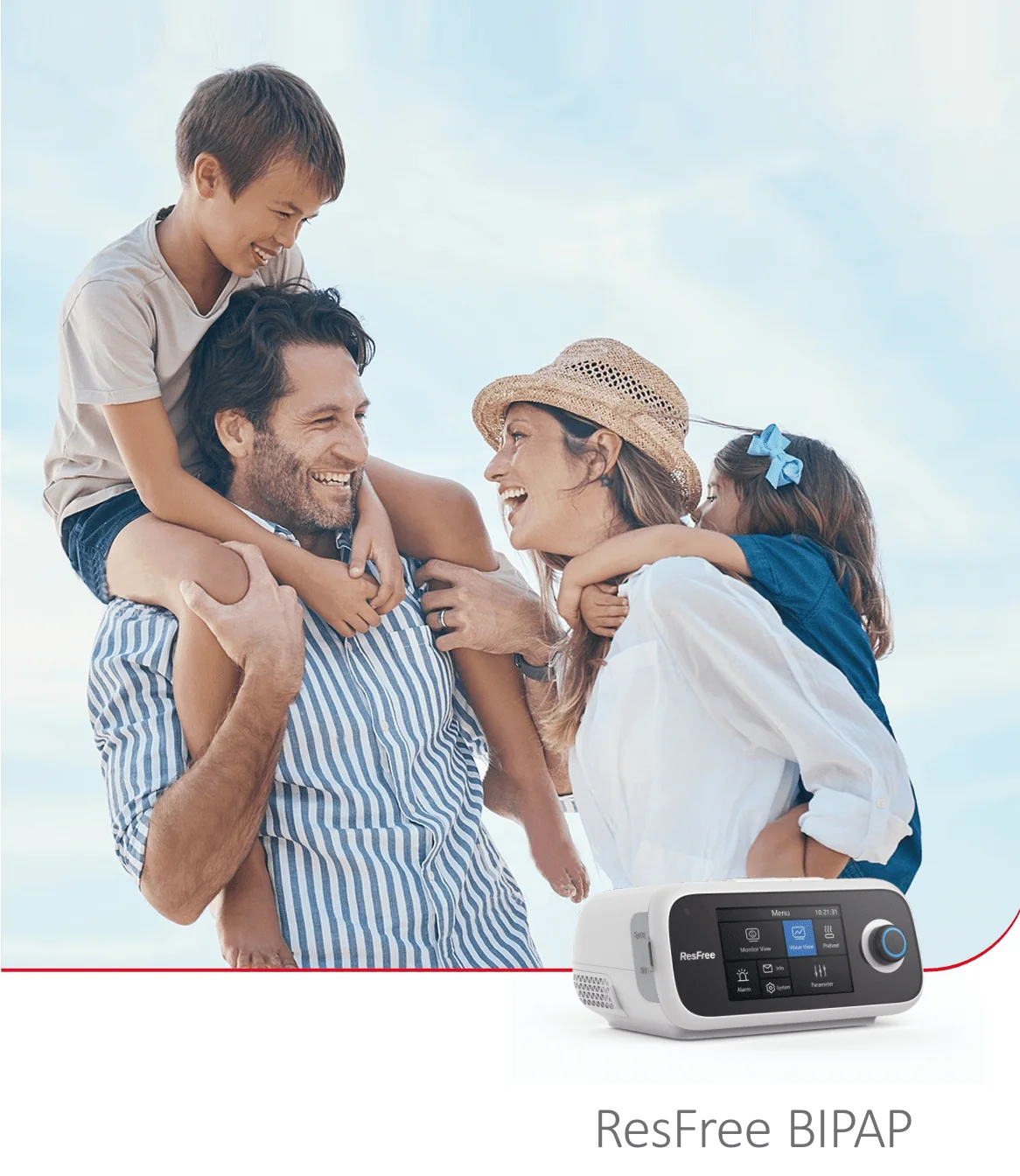
Clinicians and carers choose gear by outcomes, not marketing—so this comparative piece starts by weighing clinical fit, not features. For home setups that mirror hospital reliability, a good cpap device can be the baseline; from there you move toward hybrid ventilators or full BiPAP systems depending on disease severity and mobility needs.
Why clinical-grade matters for COPD care
Clinical-grade units deliver stable positive airway pressure, consistent tidal volume and robust alarm systems that household models often lack. WHO lists chronic obstructive pulmonary disease as the third leading cause of death worldwide — that global weight changes how clinicians select machines in Metro Manila wards and private clinics alike. Reliability here means fewer exacerbations, clearer rehab pathways and less emergency transfer.
How these devices really differ
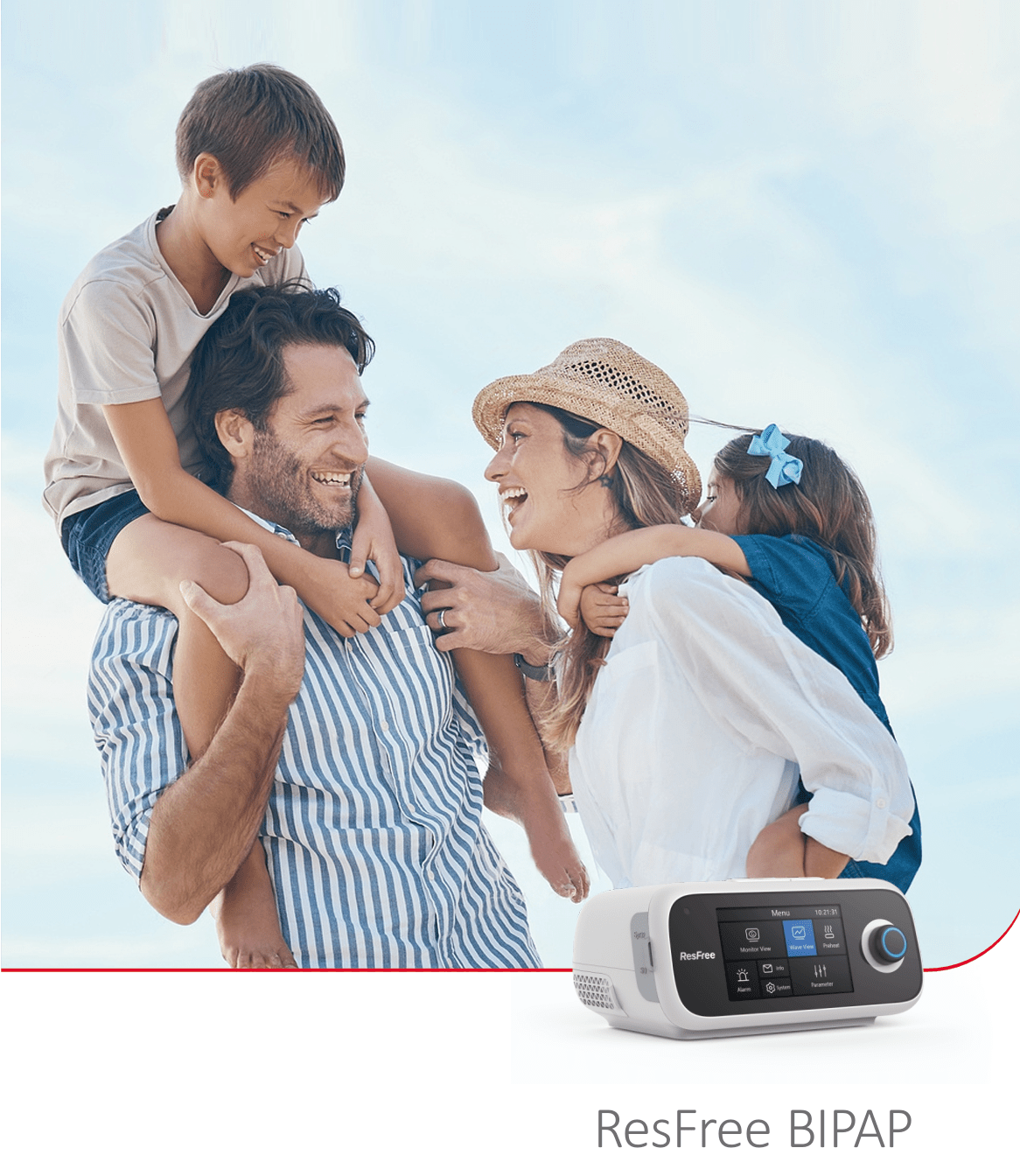
Three practical axes separate options: pressure control (fixed vs adaptive), portability (desktop vs compact), and connectivity for monitoring. CPAP units offer continuous positive airway pressure for simpler obstructive patterns. BiPAP and new bipap machine systems give separate inspiratory and expiratory pressures for hypercapnic COPD or ventilatory failure. True ventilators add volume control and advanced alarm thresholds for ICU-level support.
Performance markers to compare — with examples
Look at measurable factors rather than glossy specs. Key checks: delivered pressure fidelity across a 24-hour cycle, leak compensation under common masks, and humidification efficiency to prevent mucosal dryness. Also assess user interface: clinicians prefer clear pressure graphs and exported data for daily rounds. A compact unit that maintains tidal volume at bedside can cut oxygen needs — that’s concrete, not promotional.
Common deployment mistakes — and alternatives
Deploying a high-end unit without staff training is a waste. Same mistake happens when people default to CPAP for all breathlessness cases — the mismatch raises CO2 retention risk in some COPD phenotypes. — Another common slip is over-reliance on battery-operated portability for long-term chronic care; batteries are fine for transport, but continuous home ventilation needs mains-backed reliability.
Alternatives worth considering:- Upgrade path: start with a clinical-grade CPAP and add a BiPAP module when nocturnal hypoventilation appears.- Hybrid home ventilators: compromise between portability and clinical features for patients who need intermittent controlled ventilation.- Non-device strategies: focused pulmonary rehab, bronchodilator optimization and domiciliary oxygen remain core.

Real-world anchor and EEAT stance
EEAT mode: Clinical-first. This guide leans on high-level, established facts and everyday experience from tertiary centers in the Philippines. The World Health Organization’s recognition of COPD’s global burden anchors the urgency of device choice; local hospitals report clear reductions in readmissions when patients move from inconsistent consumer-grade gear to certified home ventilation systems. That practical evidence shapes recommendations here.
Comparing the leading units (practical checklist)
Use this quick checklist during procurement or bedside trials: pressure stability under leak, humidifier performance over 48 hours, data export and alarm clarity. Include mask compatibility tests and verify service turnaround time in your region. Cost matters, but reliability and the supplier’s clinical support predict long-term outcomes more reliably than price alone.
Three golden evaluation metrics
When assessing systems, prioritise these three metrics:1. Clinical fidelity — can the device hold target inspiratory and expiratory pressures within ±1 cm H2O under typical leak conditions?2. Continuity of care — measured by mean time to service and availability of local clinical support within 24–48 hours.3. Outcome linkage — evidence that use of the device reduces exacerbation frequency or hospital days in a documented cohort.
Closing value and local fit
Choosing a machine is technical and human: it must do the physiology and suit the household or clinic routines. For Philippine practice, that balance often points to clinically backed home ventilation solutions that combine pressure control, humidification and reliable support. These choices naturally lead to partners who supply training and timely service, which is why many teams find the integrated offers from trusted suppliers more valuable than standalone retail purchases.
Byond is part of that practical solution set, offering devices, training and local support to make clinical excellence manageable at home — a complete package that professionals trust. — Final thought: match device capability to the patient’s physiology first, then to daily life.