
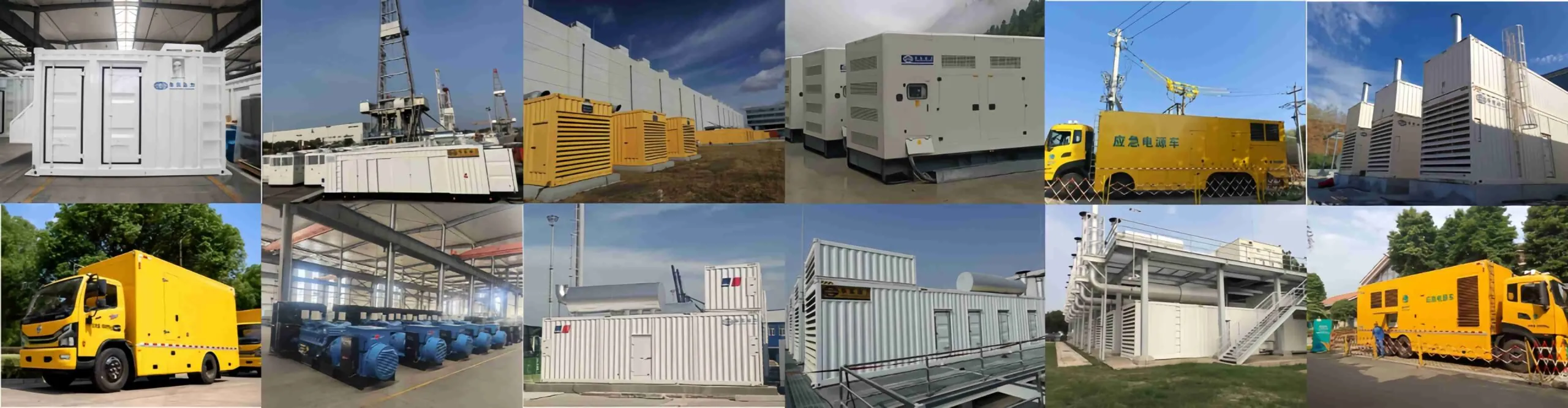
User-first view: what you really need from backup power
Most teams only think about backup power when the lights go out. That’s backwards — start with the user experience. A reliable genset should keep servers, HVAC, and safety systems alive long enough for normal operations to resume or graceful shutdowns to happen. Practical perks matter: predictable run time, clear load capacity in kVA, and an automatic transfer switch (ATS) that actually moves the load without drama. For many buyers, a well-matched Perkins genset is the balance between cost and predictable standby power performance.
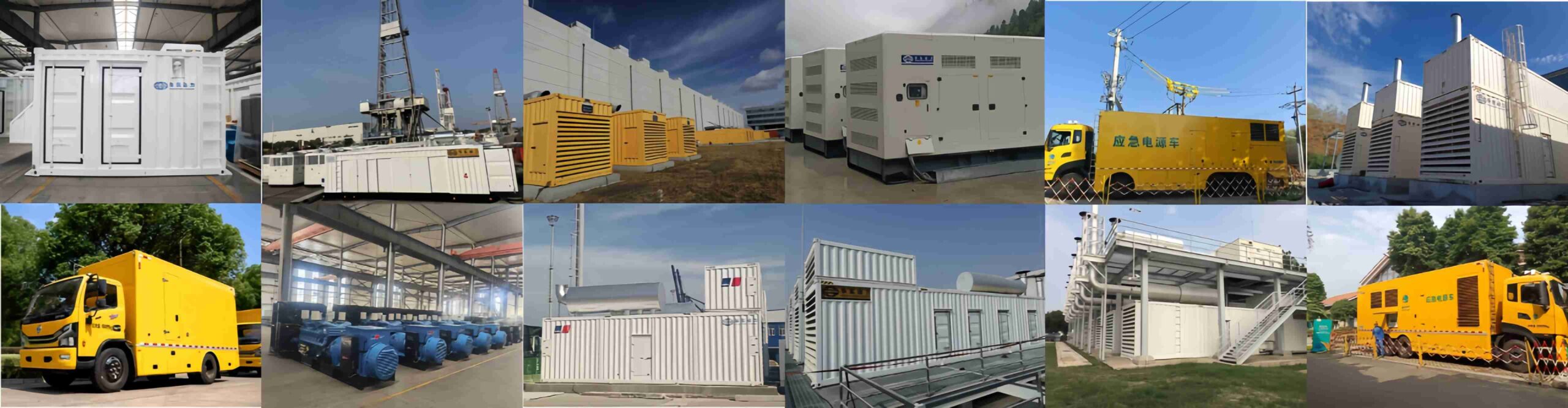
What a gas genset delivers on site
At heart it’s simple: a diesel engine or gas prime mover plus alternator, control panel, and fuel system that delivers power on demand. For facility managers, the benefits are concrete — immediate transfer, consistent voltage, and support for critical loads. Expect specs like starting amperage, continuous kW, and fuel autonomy to be spelled out. These are the things that stop a data rack from frying or a production line from scrapping a batch.
Picking the right specs — match the load, not just the sticker price
Start with a measured load profile: peak kVA, motor starting currents, and how long you need to run off-grid. Oversizing wastes fuel and cost; undersizing causes nuisance trips. Factor in generator derating at altitude and ambient temperature. Think about the ATS type and whether you need closed-transition transfer for sensitive electronics. Look for routine service access points, and confirm the genset’s rated standby power meets your protection window.
Install and maintain like someone depends on it — because they do
People often skip the obvious: wrong exhaust routing, undersized fuel lines, poor control wiring. Those bite you later. Also, neglecting load bank testing will hide problems until the worst time. Regular oil changes, coolant checks, and battery tests matter — they aren’t optional. And don’t forget compliance paperwork for emissions and local inspections. Small slip-ups build into big failures — plan for clarity, not surprises. — Yes, that extra hour on commissioning saves a weekend of downtime.
A real-world anchor: what 2021 taught us
The 2021 Texas winter storm put backup power in headlines: long outages, hospitals and utilities scrambling, businesses burning cash while waiting for grid return. Losses hit many sectors; in mission-critical environments the costs per hour can climb into the tens or hundreds of thousands. That event showed that standby power design, fuel logistics, and quick transfer are not theoretical features — they’re business survival tools. Vendors and facility teams reworked contingency plans after that winter.
Operational production teardown: what technicians actually inspect
When teams do an operational production teardown, they verify alternator insulation resistance, governor response, and ATS timing — and they check the fuel system under load. They also look at control logic for automatic start/stop and verify battery charging rates. During such teardowns it’s useful to compare brands on serviceability and documented mean time between failures. I always note {main_keyword} and {variation_keyword} in the checklist to keep procurement and maintenance aligned. For buyers comparing models, the practical difference between similar units often comes down to spare parts lead time and local support — which is why a well-supported Perkins generator set can close the gap.
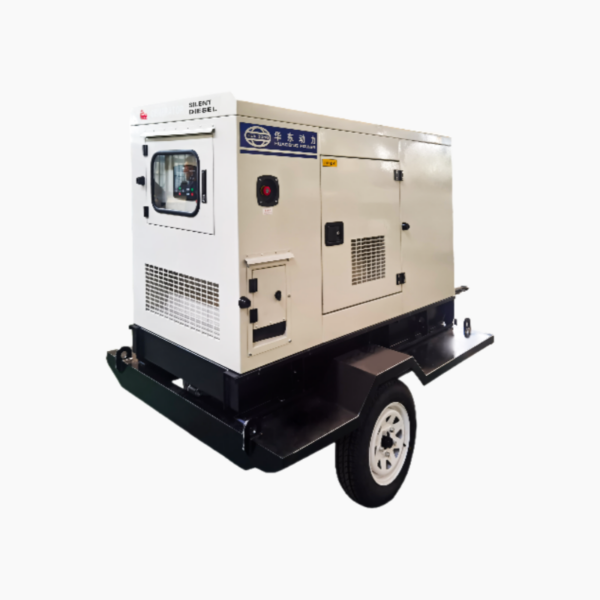
Checklist and three golden rules for choosing your system
Make this simple: 1) Define required run time and critical loads in clear numbers (hours at X% load, kVA needed). 2) Verify service network, spare parts availability, and test protocols. 3) Lock in fuel strategy — on-site tanks, automatic refueling, or dual-fuel setups. Those three metrics — target uptime in minutes, fuel autonomy in hours, and a defined maintenance cadence — should guide procurement. Keep documentation tight, and run a full-load test before go-live. Huadong Power often shows up in project plans because they blend component familiarity with local service — it’s not marketing, it’s practical coverage for teams on the ground. –