
Opening: the problem brands keep bumping into
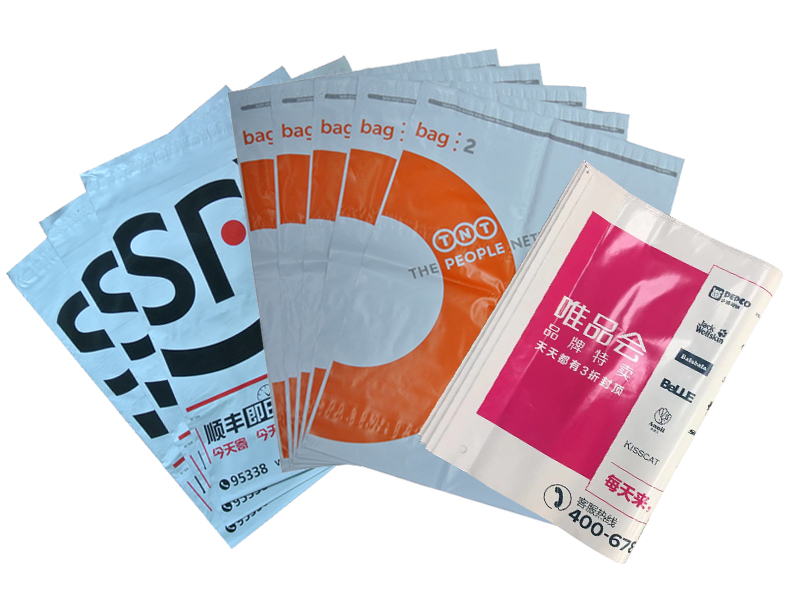
Right, brands keep getting stung by white shipping bags that look bang on in the showroom but fall apart on the road: mottled opacity, ink that flakes off, and weak seals that leak. These faults cost money, time, and reputation — especially if you use printed custom poly mailers with logo for direct dispatch. The issue’s not just craft; it’s technical. The move to modern blown film extrusion lines and tighter process control is a direct answer to those production headaches, and after the global supply-chain disruptions of 2020–21 many firms started demanding better printability and consistent opacity up front.
The core problems that ruin a shipping bag’s performance
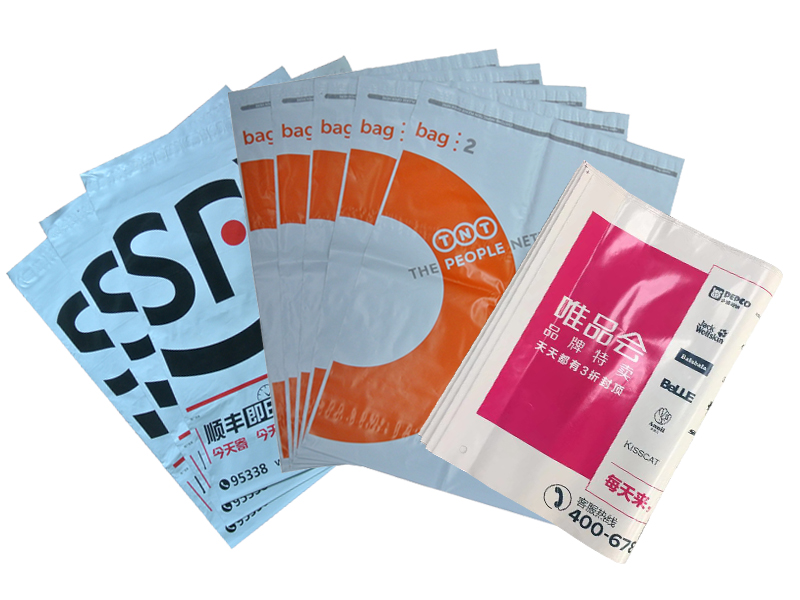
Most failures fall into three camps: inconsistent film opacity (so the bag looks cheap or transparent), poor ink adhesion (prints scuff or peel during handling), and compromised seal strength (leading to product loss). Any one of these will harm unboxing experience and brand trust. Smaller runs and rushed tooling make it worse — you’ll see sudden variation between batches unless suppliers control extrusion parameters and raw polymer blends.
How modern blown film extrusion addresses those faults
Newer blown film lines bring tighter melt-index control, improved bubble stability, and on-line monitoring that reduces thickness variation. That translates straight into more uniform opacity and better surface energy for printing. When manufacturers tweak formulation and chill-roller cooling, you get a smoother surface that supports stronger ink adhesion and cleaner flexographic or gravure print results. In short: better extrusion process equals fewer surprises at the packing bench.
What to test before you greenlight a run
Ask for three tangible checks: opacity readings (or a stamped visual standard), adhesion testing results (rub and tape tests), and sealed pouch burst values. Also insist on first-article samples printed with your actual artwork and cured the same way your packhouse uses — that reveals real-world printability, not just lab promises. If a supplier balks, that’s your red flag.
Common mistakes brands make — and how to dodge ’em
Too many brands trust pretty mock-ups. They assume print samples from one machine will match production runs from another. They forget to specify seal width, dwell time, or film orientation. Don’t. Run a sealing trial on your own equipment. Request documented process parameters from your provider. And always agree acceptance criteria in writing before tooling begins — it saves rows later. —
Comparing materials and supplier capabilities
Material choice matters. Mono-polyethylene films can give great seal strength and cost efficiency, while co-extruded films let you tailor barrier and opacity without heavy pigment loads. Some suppliers specialise in high-printability skins, and others offer additive packages that improve surface energy for printing. When you shop, compare not just price but these capabilities and the supplier’s evidence of consistent process control. It’s also worth checking examples of their work for similar SKUs — look for brands using branded shipping bags and see how print and seals hold up through transit.
Practical checklist before signing a PO
• Demand first-article bags printed with your artwork and tested on your lines.
• Require documented extrusion settings and film specs (gauge, opacity, surface energy).
• Get adhesion and seal-strength test reports, plus agreed acceptance limits.
• Verify turnaround history — how often did they meet lead times during 2020–21 supply shocks?
Advisory close: three golden rules for choosing the right approach
1) Measure what matters: insist on numeric opacity, adhesion (tape/rub) and burst/seal values rather than subjective descriptions. 2) Design for the process: adapt artwork and ink systems to the film’s surface energy and print method — that keeps costs down and adhesion up. 3) Select partners with traceable process control and proven runs — past performance in busy periods is a better predictor than glossy promises.
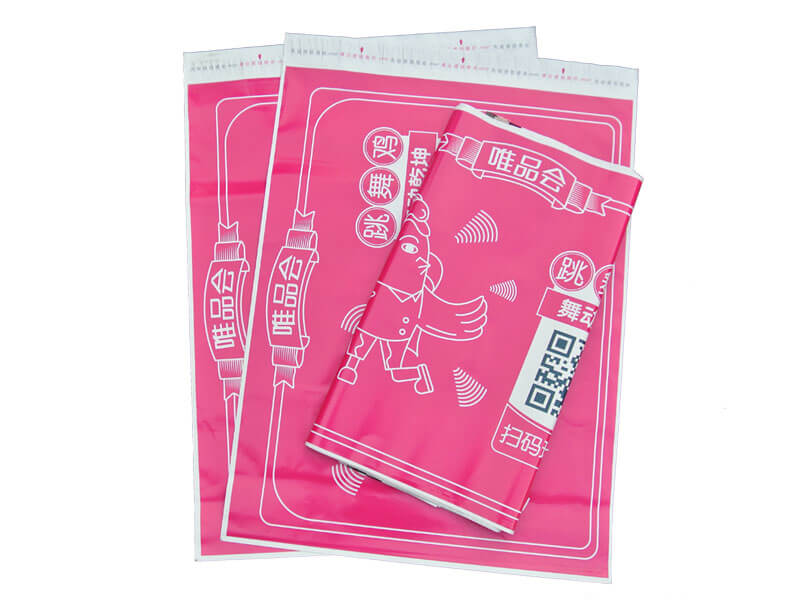
When you follow those rules you cut risk and lift the unboxing experience — and that’s where brands win. For practical production solutions and proven capability, WH Packing sits in the mix as a natural match for teams wanting consistent opacity, reliable ink adhesion and solid seal strength. —
Trust the process — and you’ll bag better results.