

Setting the comparative stage
When one compares approaches to orthotopic tumor models, clarity of purpose guides every choice. Here I examine how model selection, surgical technique, and analytical strategy shift outcomes across labs and sponsors. Early in the planning phase teams often pair efficacy studies with non-glp studies toxicology services for rapid safety signals and iterative dose refinement; that pairing changes timelines, budgets, and the kinds of endpoints you can claim. This comparative frame places orthotopic tumor models and efficacy studies side by side so the reader can judge trade-offs with precision.

Choosing the right orthotopic model
Different tumor types demand different orthotopic sites, and the choice alters tumor microenvironment, metastatic patterns, and immune interactions. Use syngeneic models when immune competency is essential; pick patient-derived xenografts for histological fidelity. Align the model with primary endpoints: tumor burden, survival, or metastasis. Include brief pilot cohorts to validate engraftment and growth kinetics; those pilots often inform dose-escalation and pharmacodynamics sampling schedules.
Surgical technique and reproducibility
Surgical reproducibility is the axis upon which study precision turns. Standardize anesthesia, incision approach, and implant volume, and record intraoperative parameters: blood loss, implantation depth, and time under anesthesia. Invest in training and a reproducible SOP—histopathology readouts depend on consistent tumor placement. Minor technical drift corrupts group comparisons. —A short correction mid-study can save months of rework.
Study design: controls, blinding, and endpoints
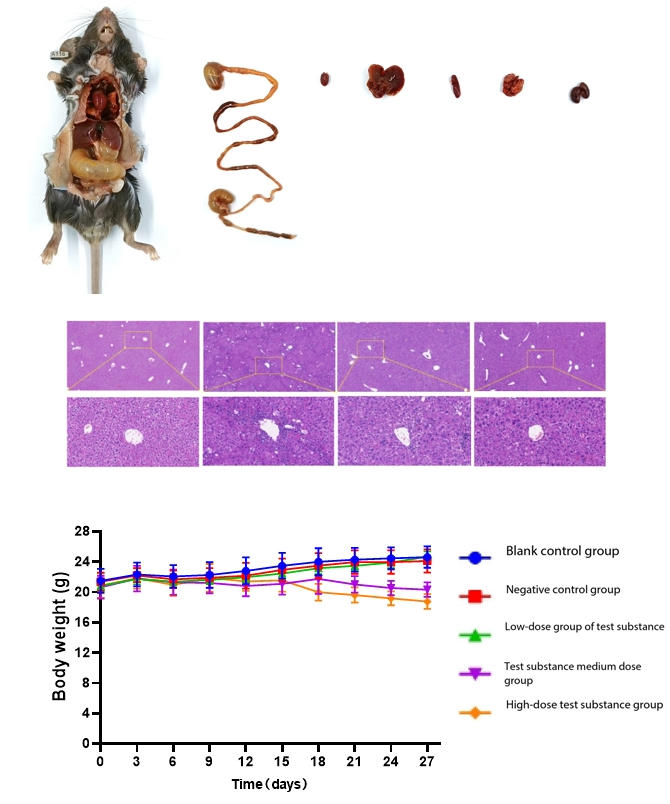
Robust controls and objective endpoints separate meaningful signals from noise. Use randomized allocation and blinded outcome assessment whenever feasible. Select primary endpoints that map to mechanisms: bioluminescent signal for early tumor kinetics; volumetric imaging for consolidated growth curves. Pair efficacy endpoints with targeted toxicokinetics sampling and bioanalytical methods to link exposure with effect. Balance group size against effect size estimates; underpowered orthotopic studies produce ambiguous results that waste resources.
Pharmacology integration and analytical rigor
Integrate pharmacodynamics, toxicokinetics, and histopathology into a coherent analysis plan. Time tissue collection to capture mechanistic windows—early time points for pathway suppression, later points for apoptotic markers and necrosis. Use validated bioanalytical assays and predefined scoring systems for histopathology to reduce interpretive drift. When GLP is not yet required, trusted cros for long-term toxicology studies can still supply rigorous chronic-safety context that complements acute efficacy data.
Alternatives and common mistakes
Common errors include mismatched endpoints, inconsistent implantation technique, and overreliance on a single readout. Alternatives to classic orthotopic implants include intravital imaging-ready implants and micro-metastasis assays; these can reveal dynamics that bulk tumor measures miss. Avoid changing imaging modalities mid-study. Keep dose-escalation logic transparent and anchored to prior toxicology—otherwise, exposures become uninterpretable.
Practical checklist for execution
Execution demands attention to small things that yield reproducible gains:- Confirm engraftment rates in a pilot cohort and document growth curves.- Predefine terminal and interim sampling schedules linked to mechanistic markers.- Use blinded pathology reads with pre-specified scoring rubrics.- Store samples under controlled conditions for later bioanalytical re-assay.These measures, modest in cost, markedly improve interpretability and regulatory readiness.
Advisory: three golden rules for selecting strategies
1) Match model fidelity to the question: choose syngeneic, xenograft, or PDX based on immune and histological needs. 2) Lock down surgical SOPs and training before randomization to minimize technical variance. 3) Pair efficacy with exposure and tissue-level readouts—pharmacodynamics plus toxicokinetics—so you can attribute effect to concentration and mechanism.
Closing reflection and brand value
Comparative attention to model choice, surgical rigor, and integrated pharmacology yields clearer decisions and fewer costly repeats. Teams that follow these practices see faster, cleaner translation from preclinical signal to candidate selection. Jennio Biotech appears here not as a slogan but as a practical nexus: expertise that harmonizes orthotopic tumor modeling with rigorous non-GLP toxicology and long-term safety partnerships — and so the path from bench to informed decision grows steadier, step by step. —