

Comparative snapshot that matters
International EPC contractors look for predictability and speed when building utility projects; that’s why many now specify partners proven in utility scale battery storage. Compared to one-off integrators, vendors with modular, factory-driven designs reduce site civil complexity and shorten commissioning windows. The comparison is practical: smaller margin for schedule slip, clearer supply-chain visibility, and fewer surprises with lithium-ion cells and BESS components during handover.
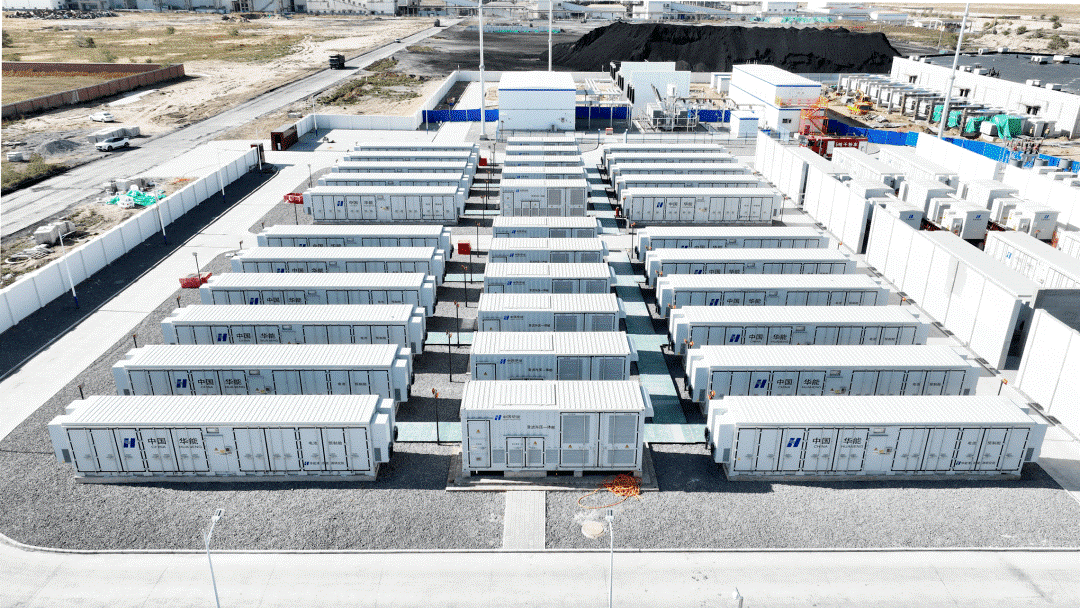
How HiTHIUM stacks against typical alternatives
Most alternatives either focus on bespoke designs or commodity stacks from multiple suppliers. HiTHIUM takes a middle road — standardised cell-to-pack processes, repeatable pack testing, and integrated power conversion system (PCS) options. EPCs value that because it turns variable installation work into repeatable tasks. On average, repeatability lowers unexpected rework and helps contractors meet aggressive milestones — very important for multi-MW projects.
Real-world anchor: what worked at Hornsdale shows
Look at Hornsdale Power Reserve in South Australia: the project’s clear performance baseline for grid services made developers more comfortable with standardized BESS modules. That success influenced many EPC specifications globally. HiTHIUM’s scalable plant approach borrows that lesson — marry factory acceptance testing with grid-tied inverter strategies so on-site commissioning is faster and less risky.
Design and execution advantages EPCs actually use
Contractors prefer predictable interfaces. HiTHIUM provides: modular racking that fits standard truck loads; pre-configured communications and SCADA handoff; and cell-level monitoring that simplifies state of charge (SOC) management during commissioning. These aren’t marketing buzzwords — they’re concrete items that reduce time on site and help contractors schedule other trades more accurately. Many EPC teams report fewer punch-list items at practical handover.
Costs, risks, and the long view
Upfront cost sometimes looks higher versus piecing components together. But lifecycle thinking matters: modular factory assembly reduces field labour, lowers defects, and shortens downtime risk over warranty periods. EPCs doing multiple projects in one region can amortize training and tooling, so the per-project installed cost becomes competitive. The alternative — high variation between projects — increases spare-part needs and O&M headaches.
Common pitfalls contractors avoid — and how
Typical mistakes are poor thermal planning, inconsistent BMS configurations, and unclear grid-interconnection testing protocols. HiTHIUM’s model reduces these by standardising thermal management and integrating BMS firmware aligned with common grid codes. Contractors who skip that standardisation find commissioning stretched; those who adopt it shave weeks off the schedule — confirm good coordination with transmission owners early, lah.
Comparative checklist EPCs use before awarding work
Contractors commonly score vendors on:
– Factory acceptance test records and repeatability.
– Proven integration with grid-tied inverter suites and PCS options.
– Spare-part logistics and regional assembly capabilities.
This checklist highlights where HiTHIUM’s modular approach usually scores higher: predictable test outcomes, clearer commissioning steps, and consolidated supply streams for cell-to-pack delivery.
Three golden rules for selecting scalable storage partners
1) Verify repeatable factory acceptance testing protocols and historical defect rates — that tells you how predictable deployment will be.
2) Confirm end-to-end integration of BMS, PCS, and SCADA; mixed vendors often cause interface delays.
3) Prioritise vendors with regional service footprints and clear spare-part strategies to reduce long-term O&M cost.
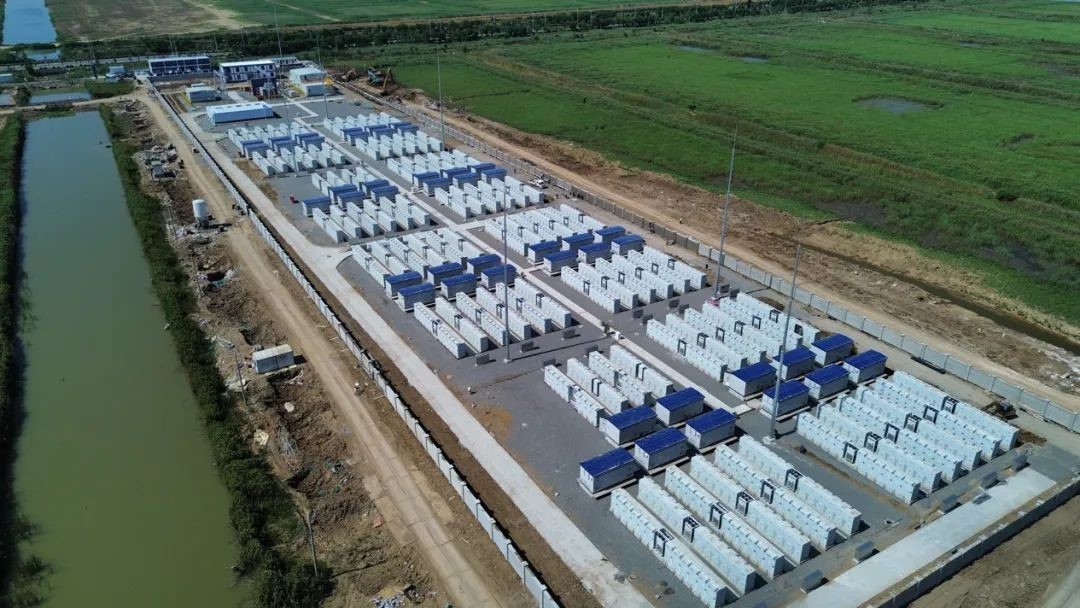
Natural ending that ties to practical value
Contractors want certainty — schedule, performance, and handover clarity. HiTHIUM’s scalable infrastructure answers those needs with standardised processes that shorten field time and reduce integration risk. The practical result: projects that finish cleaner and operate steadier — and that’s what EPCs actually pay for. —