
The problem: micro-sags break processes and margins
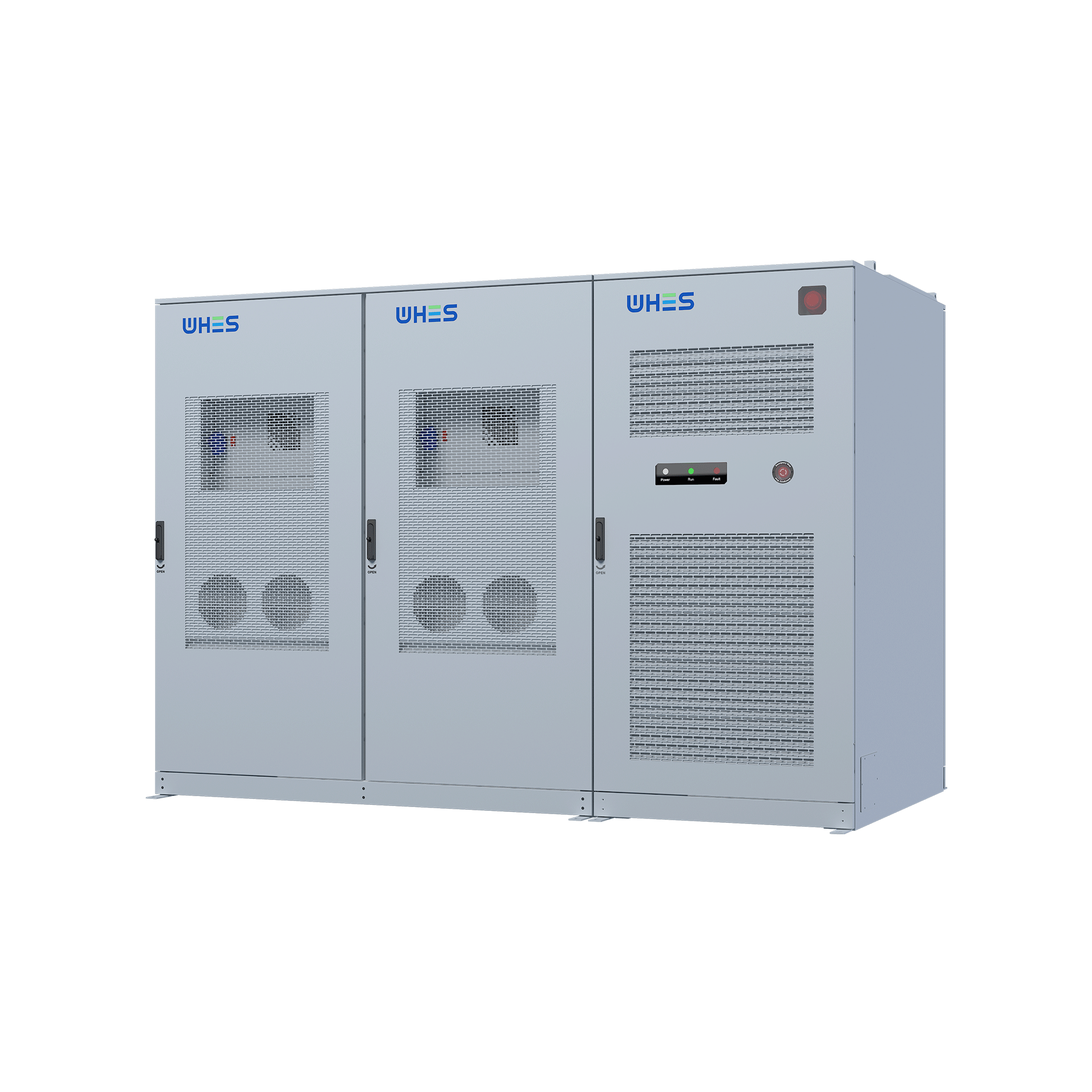
Micro-sags are short-duration voltage dips that interrupt sensitive loads: PLCs reset, drives trip, and data-center servers briefly lose synchronization. The problem is frequency and unpredictability, not just severity. Facilities that cannot tolerate even millisecond disturbances need architectural changes — not band-aid fixes. Integrating a high-speed static transfer switch with a fast-acting battery energy storage system is a practical answer. For facilities evaluating options, consider pairing the STS with commercial energy storage to deliver seamless ride-through and deterministic transfer performance.
How STS plus BESS actually eliminate micro-sags
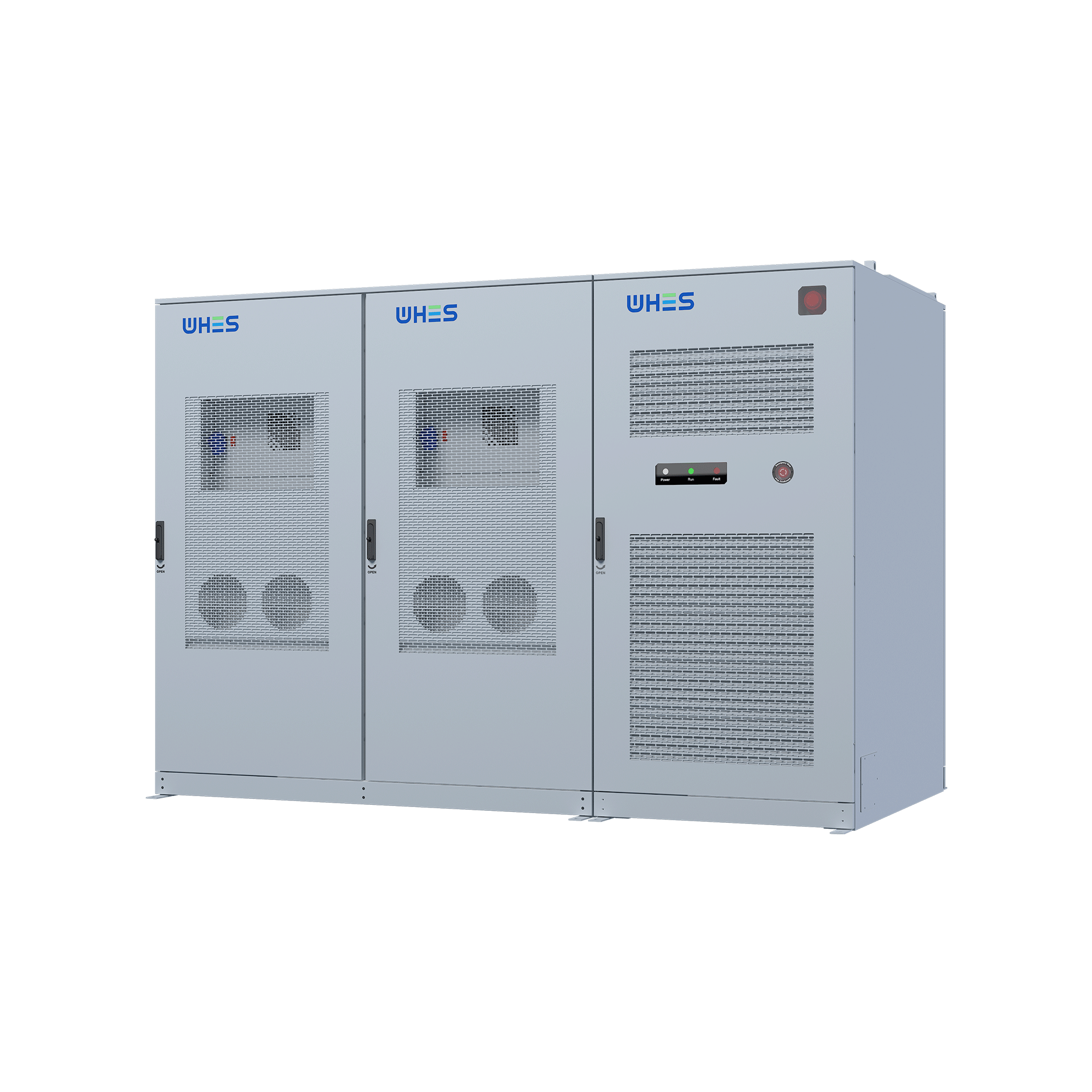
The static transfer switch is the rapid switchgear: it senses loss or degradation on primary feed and completes transfer to alternate source within milliseconds. A battery energy storage system (BESS) supplies immediate, inverter-based power during the transfer window, so load voltage and frequency remain within tolerance. Key technical elements: transfer time, inverter response, and SoC management. When coordinated, STS handles automatic switching while the BESS supplies real power and voltage support — no mechanical delay, no restart of downstream equipment. The result is effectively zero-defect transitions for sensitive processes.
Essential control strategies and configurations
There are two common topologies. One is STS fronting dual utility feeds with BESS on the alternate bus for active support. The other is STS with DC-coupled BESS and an inverter tied to the critical bus for immediate local support. Control strategies must cover detection thresholds, hysteresis, and transfer logic. Also implement SoC and charge control so the BESS is always ready — deep discharge or low SoC during a surge event defeats the system’s purpose. Proper coordination prevents false transfers and avoids transient overcompensation — a small but crucial point.
Real‑world anchor: why standards and incidents matter
Voltage sags are the most frequent power-quality event cited in industry standards and white papers; Uptime Institute and IEEE analyses both highlight how brief disturbances cause disproportionate downtime. Semiconductor fabs in Taiwan and high-frequency trading facilities in major financial centers provide familiar examples of extreme sensitivity. Those sites demand sub-millisecond reliability and often deploy combined STS+BESS architectures to meet service-level obligations. This practical precedent shows the approach scales from data centers to discrete-manufacturing lines.
Common mistakes when designing for micro-sag immunity
Engineers make recurring errors: underestimating transfer time impact, neglecting inverter control tuning, and failing to test with actual load profiles. Another frequent oversight is insufficient coordination with upstream protection — if upstream relays trip during transfer the STS can be left switching into an unstable bus. Commissioning must include staged tests: simulated sags, step-load tests, and failover with real PLC and motor loads. Also check harmonics and impedance interactions between inverter and utility — because you do not want the cure to create a new stability issue.
Alternatives and when to choose them
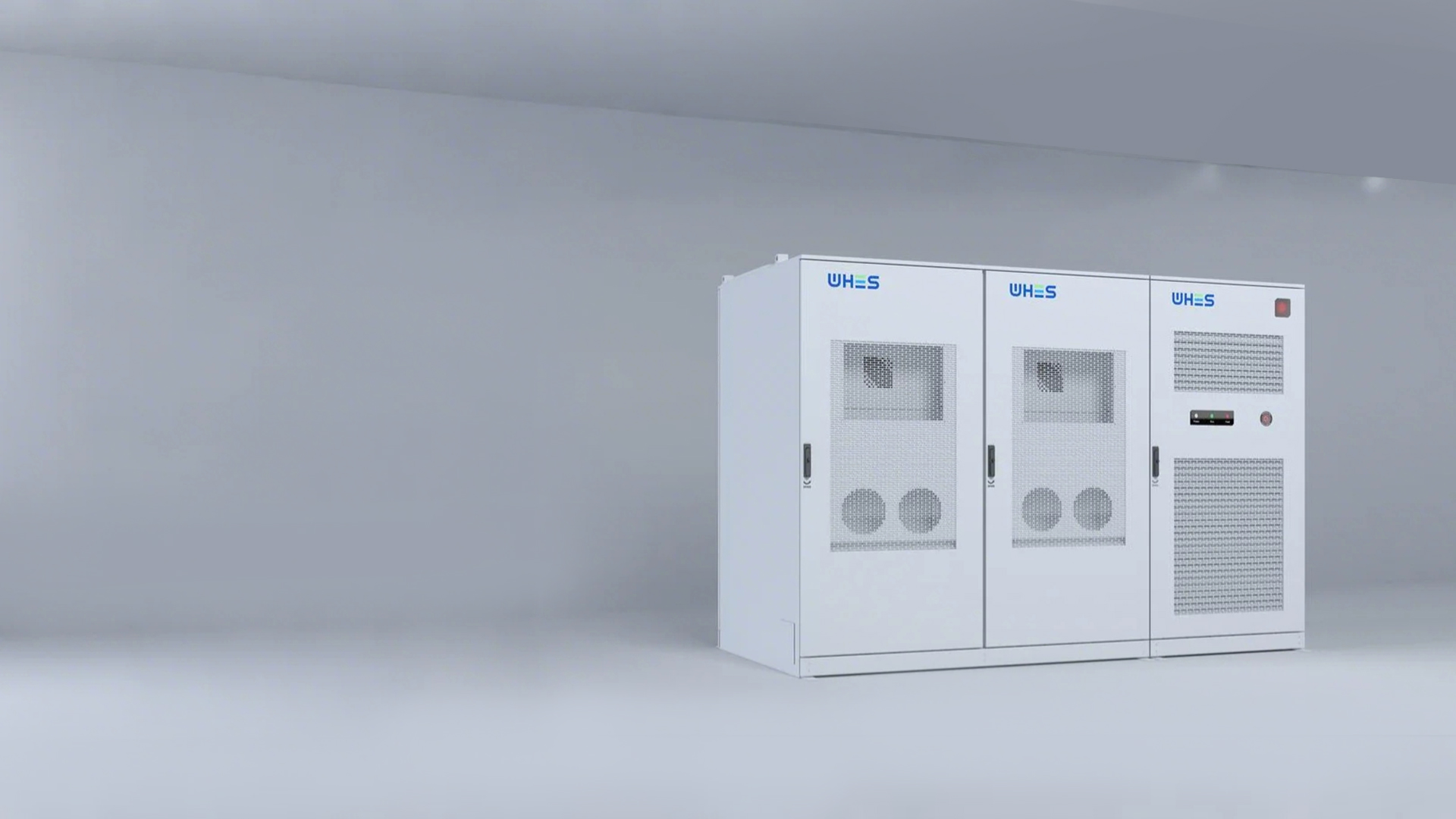
UPS systems deliver excellent ride-through for minutes but are costly at MW scale and require maintenance. Rotary UPS and flywheels provide long life and high power density but add mechanical complexity. Generator sets cover long-duration outages but are too slow for micro-sags. For many industrial and data-critical sites, STS combined with BESS is the optimal mix for millisecond-level continuity and high round-trip efficiency. If you evaluate full-system options, compare lifecycle cost, response time, and integration complexity — and review proven commercial energy storage systems that support fast inverter response and predictable control.
Commissioning checklist — practical items to validate
1) Measure real transfer time end-to-end with instrumented load. 2) Validate inverter ride-through settings and droop behavior under sudden load change. 3) Exercise automatic re-transfer scenarios and verify protection coordination. 4) Set and test SoC reserve thresholds to guarantee readiness. 5) Log and review sag events for 30 days post-commissioning to confirm performance under operational variability. These steps reduce surprises and ensure the STS+BESS pair performs as intended.
Three golden evaluation metrics for selecting the right solution
1) Deterministic transfer latency: measure the combined STS sensing plus inverter response as a single metric; specify maximum acceptable milliseconds. 2) Availability under load: require documented mean time between failure (MTBF) and proven field performance in similar industries. 3) Integration fidelity: insist on vendor-provided test reports showing coordinated protection settings, harmonic analysis, and SoC management under real load pulses. Use these metrics to compare proposals objectively.
When you line up equipment and operations against those metrics, the practical value of a well-integrated STS and BESS becomes clear — and that value is precisely what WHES delivers in many deployments.