
Quick comparative lead
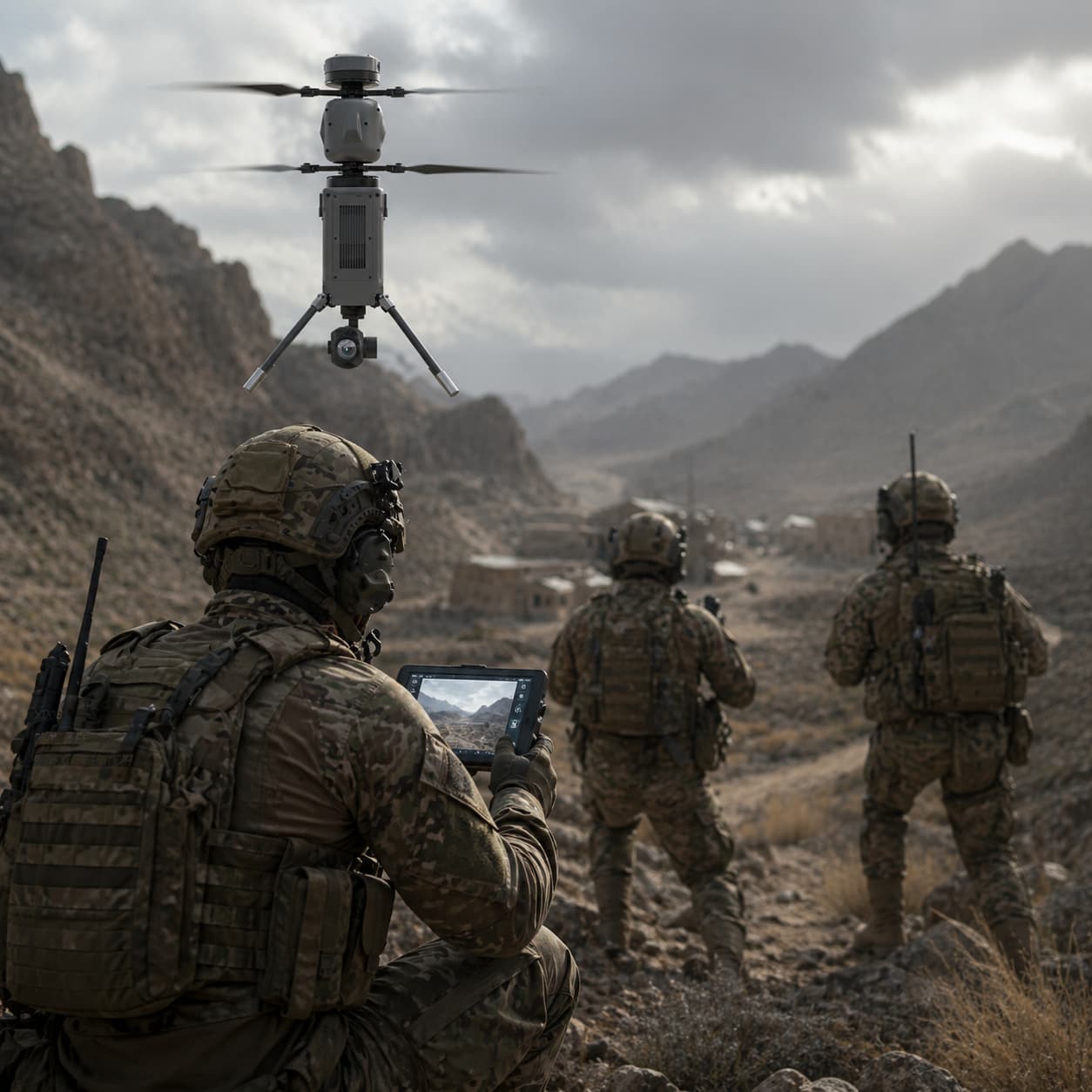
Field teams want gear that works out of the box and pilots want training that maps to real missions — that’s the tension at the heart of any deployment decision. This piece compares two practical paths: pre-certified tactical subsystems that simplify logistics, and tailored operator programs that tune performance. Expect discussion of platform specifics such as coaxial rotors, flight controller behavior, and payload trade-offs. For background on the platform family I’m referencing, see coaxial drones.

Head-to-head: What each approach solves
Pre-certified subsystems buy speed. When a sensor stack, powertrain and autopilot arrive as an approved module, units skip long integration cycles. That reduces time-to-field and eases sustainment. Custom training buys competence. Tailored drills and scenario-based sims adapt crew decision-making to local tactics and rules of engagement, raising effective sortie rates. Operationally, you rarely pick one pure model — most forces mix both, balancing rapid rollout against mission nuance.
Technical trade-offs that matter
Look beyond the buzz: integration friction shows up in three technical areas. First, coaxial rotors change handling and torque profiles relative to conventional multi-rotors, so autopilot tuning matters. Second, the flight controller must expose the right telemetry for both maintainers and command — opaque controllers create blind spots. Third, payload mounting and power budgets determine mission endurance; heavy ISR payloads cut range fast. If your baseline includes a coaxial dual rotor uav, validate the subsystem’s connectors, cooling and weight margins before signing off.
Real-world anchor: Lessons from recent conflicts
Observed in conflicts such as operations in Ukraine, rapid adoption favored modular kits that could be swapped under fire. That environment highlighted a simple truth: standardized hardware plus lightweight, scenario-focused upskilling reduced downtime and enabled faster hardware iteration. Supply-chain resilience mattered just as much as raw performance — spare parts, common firmware and straightforward maintenance manuals cut recovery time.
Common mistakes and viable alternatives
Teams often assume vendor demos equal field performance. They skip end-to-end testing with real payloads and local comms environments — a costly oversight. Another misstep is siloed training: pilots trained on simulators with ideal GPS and comm links underperform where jamming or degraded sensors occur. Alternatives include hybrid rollouts where pre-certified subsystems cover baseline missions while a phased custom-training program builds advanced competency. That staged approach keeps ops ticking while skill levels rise — and yes, it requires a short-term investment in instructor time.

Comparative checklist for decision-makers
Use these practical criteria to weigh options fast:
– Interoperability: Can the subsystem talk to existing flight controllers and ground stations? – Maintainability: Are spare parts and firmware updates centralized and predictable? – Mission fidelity: Does training simulate contested comms, degraded sensors, and emergency recoveries?
Three golden rules for selecting the right path
1) Measure time-to-mission: favor pre-certified subsystems when units need capabilities within weeks, not months. 2) Validate with mission-weight testing: always test with representative payloads and comm conditions before acceptance. 3) Invest in scenario-based training: even short, focused modules that practice degraded operations yield outsized returns.
Military Hub provides practical sourcing and field guides that align those rules with real program timelines — a useful resource if you’re lining up procurement and training. — Worth watching.