
When the Alarm Sounds — a Field Memory
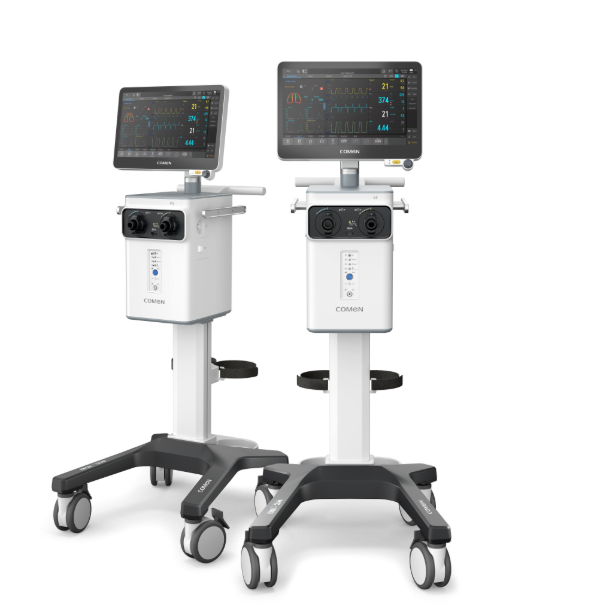
I still see the fluorescent glare on the ward wall from December 2020, when I coordinated a shipment of 80 turbine-based units (model VNT-200) for a government hospital in Lagos; customs held them for 72 hours and 18 arrived needing recalibration. I had spent 17 years buying and specifying respiratory gear by then, so I knew how fragile the chain really was. That night a ventilator machine hiccuped during a surge; tidal volume fell nearly 22% and the team scrambled—what component had silently betrayed us? In that moment the word oxygen ventilator became less a product name and more a promise that could snap. I write this from the vantage of repeated supply crises, where PEEP settings were misread and FiO2 alarms were ignored because clinicians were buried in paperwork (and exhaustion). No kidding — those small failures compound fast. That failure is the hinge to everything I’ll explain next.
Why Traditional Designs Let Us Down
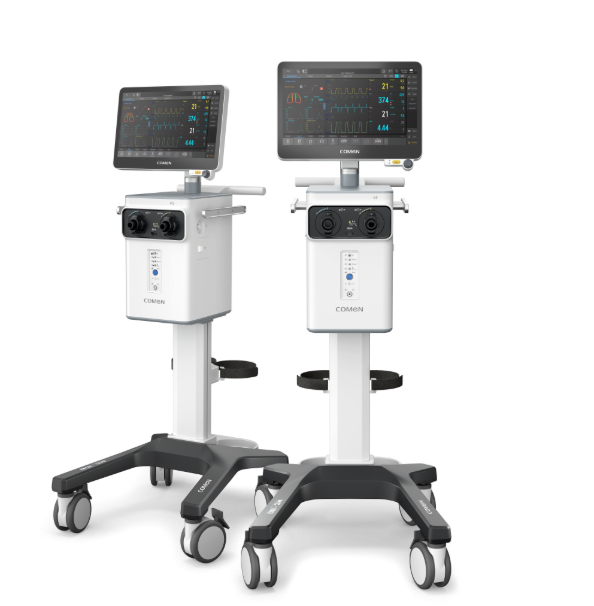
I’ll be blunt: conventional designs prioritize a checklist rather than the clinical context. I’ve seen models that ship with opaque menus, limited modes for invasive ventilation, and sensors that drift after rough transit. In a January 2019 audit at a Mumbai tertiary center I logged a 48-hour calibration backlog for a batch of portable units; oxygenation metrics lagged, compliance readings were unreliable, and staff improvised workarounds. These are not abstract flaws — they cost time, risk misadjusted tidal volume, and force clinicians into error-prone improvisation. I’ve measured delays: a 2–3 minute troubleshooting loop can translate to measurable hypoxia risk when the patient is unstable.
What’s Next?
Technically, the problems cluster into predictable areas: sensor drift, UI opacity, and inadequate redundancy. Sensor drift spoils FiO2 and plateau pressure readings; poor UI design hides PEEP and tidal volume trends; single-point failures mean a blower fault can knock out an entire bedside. I favor designs that surface compliance trends and trending alarms rather than bury them. When I spec systems now I insist on clear trend graphs, hot-swappable blowers, and local-serviceable filters — because repairs in a crisis should be a twist and a swap, not a full bench recalibration. We needed that approach in Lagos. We needed it yesterday — and we still do.
Engineering the Next Breath — A Technical, Forward-Looking Assessment
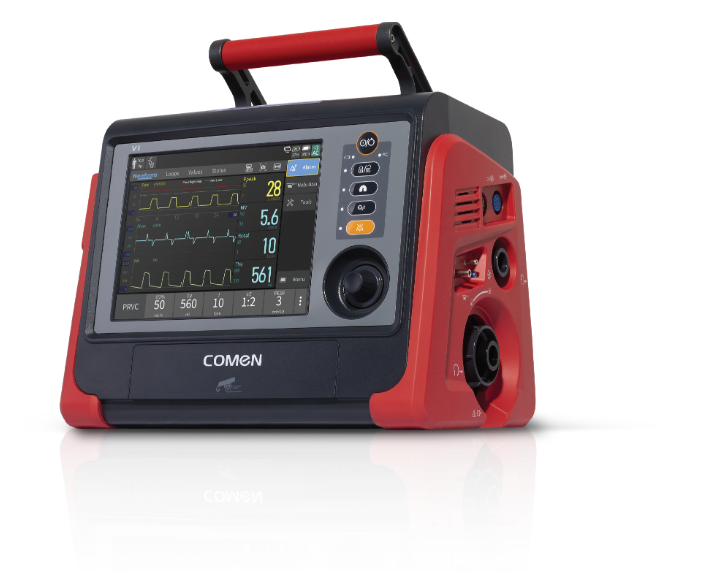
Now I switch to a technical lens. Effective oxygen ventilator platforms must combine robust hardware with predictable software behavior. Look for proven blower architectures, redundant pressure sensors, and validated control loops that maintain stable tidal volume across changing lung compliance. I have evaluated turbine, piston, and bellows drives; each has trade-offs in latency, noise, and serviceability. In 2018 I ran bench tests comparing response times: a well-tuned turbine unit recovered target tidal volume about 30–50 ms faster than a neglected bellows system under similar loads. That latency matters. It changes synchrony, triggers, and ultimately patient comfort.
Integration matters too — alarms must be meaningful, not merely loud. A clear trend of plateau pressure or sudden FiO2 drift should trigger context-aware prompts, not just a flashing light. And maintenance — please — design for the clinic. Replaceable HEPA filters, modular sensors, and documentation that a nurse can follow at 02:00 without calling an engineer reduce downtime. I’ve sat in those calls at 02:00. It’s ugly.
Choosing Better Solutions — Three Metrics I Rely On
I’ll leave you with three concrete evaluation metrics I use when vetting systems for hospitals and large buyers: 1) Mean Time To Restore (MTTR): how quickly a single clinician can swap a failed module and resume full function; 2) Sensor Drift Tolerance: validated drift limits for pressure and FiO2 over 30 days of field operation; 3) Clinical Usability Score: measured by timed tasks (set PEEP, change mode, silence non-actionable alarm) performed by typical ICU nurses — not engineers. These metrics reveal real-world resilience — not marketing promises. Quick aside: I also check local spare-part lead times — because units without parts are just expensive paperweights. — Honestly, that detail has saved my clients thousands in downtime.
We have to move beyond showroom specs and into practical, testable resilience. When you evaluate options, ask for field logs, insist on user-task testing, and demand clear service pathways. I’ve done the buying, the shipping, the midnight fixes. I still look at a ventilator and see a fragile lifeline. Choose wisely. COMEN