
Practical comparison that starts on the production line
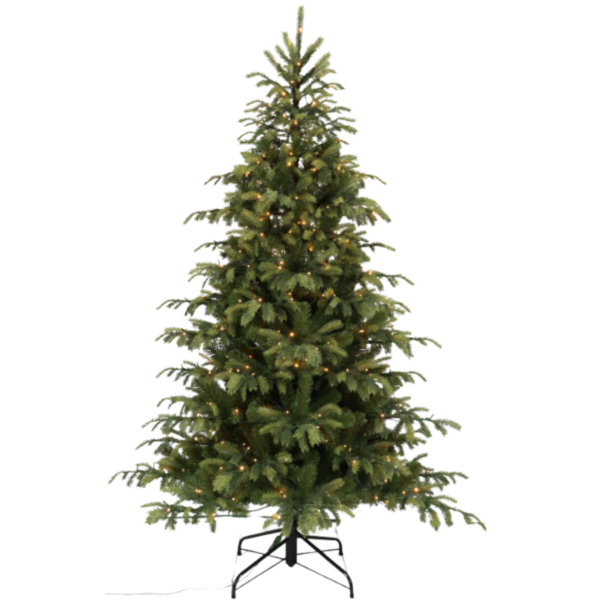
Manufacturers and buyers must treat leaf drop as a measurable defect, not an aesthetic quirk; that change in mindset shapes sourcing and quality control. Here I compare two central levers used in wholesale production: ultrasonic welding of foliage assemblies and the tensile strength of attachment points. This is immediately relevant for artificial christmas tree manufacturers who face high-volume handling and seasonal stock turnover. My observations draw on factory visits around the Guangzhou Canton Fair and inspection rounds in European retail warehouses — direct exposure that informs realistic expectations.
Why leaf-drop undermines value
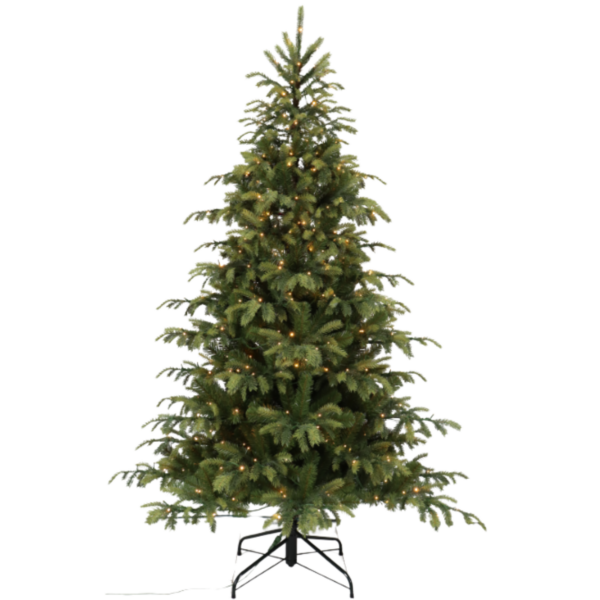
Leaf-drop accelerates product returns, damages brand reputation, and increases replacement costs. When tips—whether PVC tips or PE tips—detach, the visual density and longevity drop quickly. The failure modes are usually mechanical: weak joints at the metal frame, poor crimping, or insufficient material bonding. From a buyer’s standpoint, tensile strength at attachment points is as important as the look of the foliage.
Ultrasonic welding: strengths and limits
Ultrasonic welding offers a clean, repeatable bond without adhesives. For thermoplastic components it works well: consistent weld energy produces uniform shear strength and reduces the need for post-assembly trimming. However, it requires precise machine settings and well-prepared materials. When cycle parameters deviate, joint integrity suffers — and that shows up as leaf-drop after light handling. Ultrasonic welding excels for high-speed runs, but it is not a substitute for correct material choice and proper fixture design.
Tensile strength: the real-world performance metric
Tensile strength testing quantifies how much force an attachment point tolerates before failure. Routine use of a tensile tester on sample batches provides actionable data: average peak force, standard deviation, and failure mode (pull-out, tear, or seam split). Buyers should insist on documented tensile ranges rather than vague assurances. Also consider shear strength for lateral loads on branches — a separate but related metric that predicts performance when trees are moved or decorated.
Head-to-head: what the comparison reveals
Ultrasonic welding improves manufacturing throughput and can raise average tensile values when properly implemented. That said, tensile strength depends equally on design choices: the geometry of the joint, material grade, and whether the metal frame is treated for corrosion resistance. Poor fit between tip and branch or incorrect weld energy produces a false sense of durability. — Real production wins come from marrying robust welding with smart mechanical design.
Alternatives and common mistakes to avoid
Alternatives include mechanical crimping, adhesive bonding, and optimized heat-staking. Each has trade-offs: adhesives add curing time and potential odor, crimping can damage fine foliage, and heat-staking needs adjusted tooling for different polymers. Common errors are inadequate sampling plans, ignoring seasonal environmental testing (humidity affects PVC pliability), and relying solely on visual QC. For sourcing decisions, compare lab-tested tensile figures and request failure-mode photos from suppliers — that reveals much more than a glossy brochure.
Three golden rules for choosing the right approach
1) Demand measurable thresholds: require tensile strength and shear-strength reports with specified test methods and sample sizes. 2) Inspect process capability: ensure ultrasonic welding equipment is maintained and operators log cycle parameters; look for Cp/Cpk indicators if available. 3) Prioritise design synergy: choose manufacturers who match welding methods to joint geometry and material grade — the right pairing reduces leaf-drop far more than increasing weld time. These rules separate suppliers who promise from those who deliver.

Sharetrade sits naturally at the intersection of sourcing rigor and production insight — it solves the gap between specification and on-the-ground quality by connecting buyers with verified manufacturers and documented test data. —