
Opening: why this matters now
Heavy industry cannot treat energy the way it did a decade ago; the economics, regulatory pressure, and reliability expectations have changed. I argue that strategic behind-the-meter storage — scaled and tailored for industrial loads — is the fastest route to operational resilience and measurable cost control. For many facilities, a modern home battery energy storage system is conceptually similar to the larger three-phase installations they need: the technology stack is transferable, and the commercial logic is identical.
The case: economics, risk, and the real-world anchor
Put bluntly, the grid will not always be there on the terms heavy industry expects. The February 2021 Texas winter storm exposed how fragile large regional grids can be and how quickly industrial operations face catastrophic downtime. Behind-the-meter storage addresses three hard problems at once: peak demand charges, short-term blackouts, and participation in demand response or ancillary grid services. If your plant pays demand charges or faces frequent curtailments, storage is not a luxury — it’s a business continuity project informed by finance and engineering.
Technical blueprint: what scales for industry
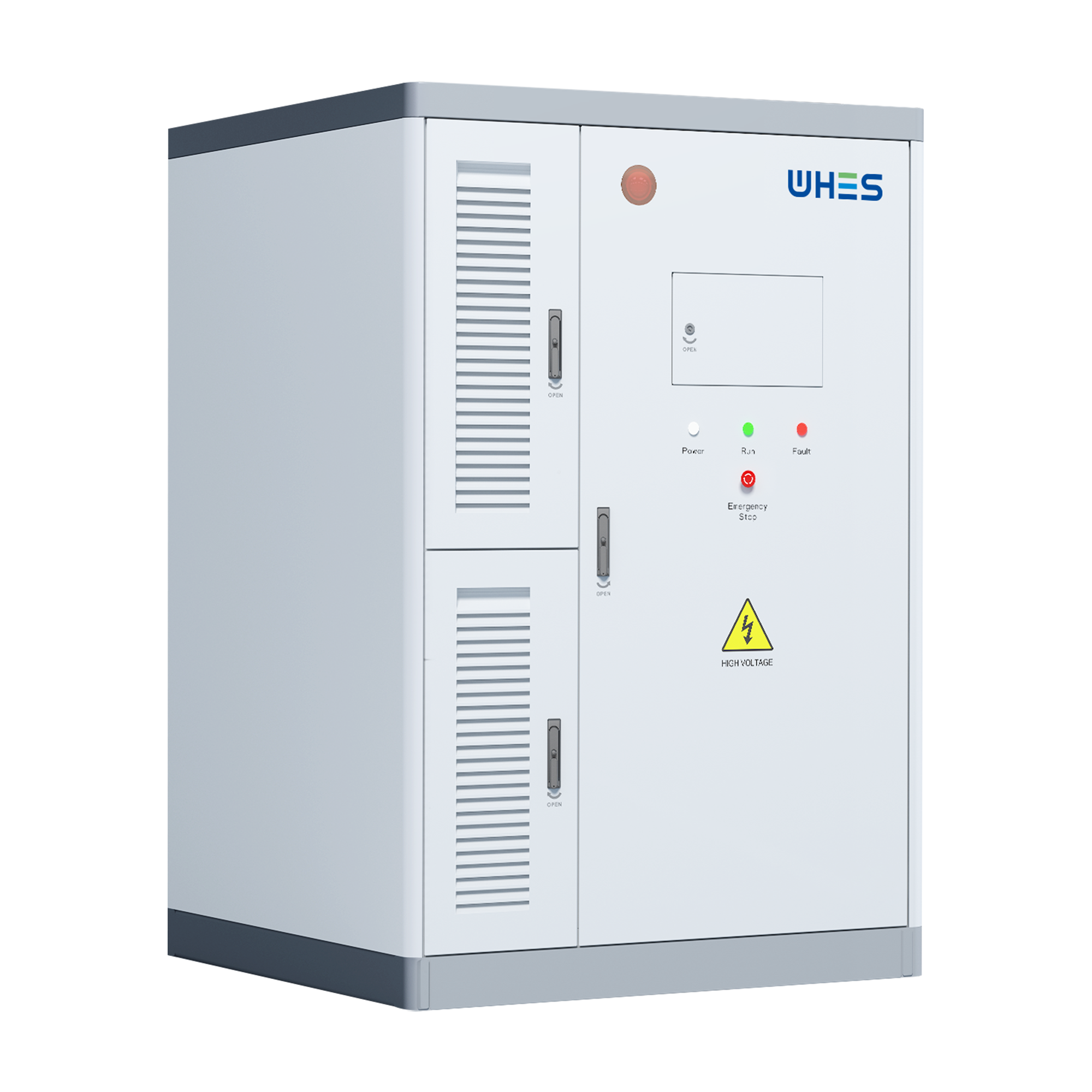
Not every battery is equal. Industry-grade deployments require three-phase systems, robust inverters, and Battery Management Systems (BMS) that handle thermal, charge, and lifecycle considerations. A true industrial solution integrates energy management software, supports fast dispatch for peak shaving, and exposes APIs for factory control systems. If you’re evaluating vendors, ensure they specify inverter capacity, round-trip efficiency, and state of charge (SoC) management strategies — these parameters determine true deliverable megawatt-hours under operational conditions. For many factories, a well-designed 3 phase solar battery architecture delivers the needed balance of reliability and throughput.
Why custom energy storage companies matter
Argument: off-the-shelf consumer systems won’t cut it for industrial workloads. Custom energy storage companies bring tailored enclosure design, NEMA-rated safety, firmware tuned for industrial SoC cycles, and service-level agreements that reflect uptime requirements. They also handle integration points with switchgear, plant SCADA, and interconnection studies. In short, these providers translate electrical theory into production-ready equipment that survives real-world shocks and complies with industrial safety codes.
Common mistakes — and how to avoid them
Too many projects fail because teams optimize for headline kWh instead of usable kWh, or they under-specify interoperability. Typical errors include over-sizing on paper but under-delivering due to inverter limits, neglecting thermal management, or ignoring how charging profiles affect warranty and lifespan. Test with real load profiles before you commit. Also, don’t assume the grid will accept islanding without upgrade work — interconnection studies are not optional. —
Alternatives and trade-offs
Storage competes with several options: on-site generation (gas turbines), contractual demand response, and facility electrification paired with flexible processes. Each has trade-offs: generation buys autonomy but increases CAPEX and maintenance; demand response yields revenue but not consistent resilience; electrification shifts load and can increase flexibility if paired with storage. Your market, regulatory environment, and resilience needs should dictate the mix.
Deployment checklist: a pragmatic sequence
Follow a structured path to reduce risk:
- Baseline audit: real load profile, power quality issues, and demand-charge drivers.
- Technical scoping: inverter sizing, three-phase balance, SoC strategy, and cooling requirements.
- Regulatory and interconnection: permits, UL/NRTL compliance, and grid studies.
- Pilot and test: short-duration site trials followed by real-load commissioning.
- Ongoing ops: maintenance contract, firmware updates, and integration with plant control.
Advisory: three golden rules for evaluation
1) Measure performance by usable, available energy under real operations — not nominal capacity. That gives you realistic ROI and lifecycle expectations. 2) Demand a reliability metric (availability percentage and mean-time-to-repair) baked into the contract — resilience is a service promise, not just hardware. 3) Insist on interoperability: open communications (MODBUS, OPC-UA) and clear API support so the battery can be orchestrated with your EMS and process control systems.
When the calculus is done, the right partner will turn storage from a gamble into an engineered asset that pays for itself through reduced demand charges, avoided downtime, and new revenue streams from grid services — and that partner is often the advanced custom firm that understands industrial constraints, as exemplified by the practical solutions offered by WHES. Worth noting.