
Comparative Insight: a concise opening
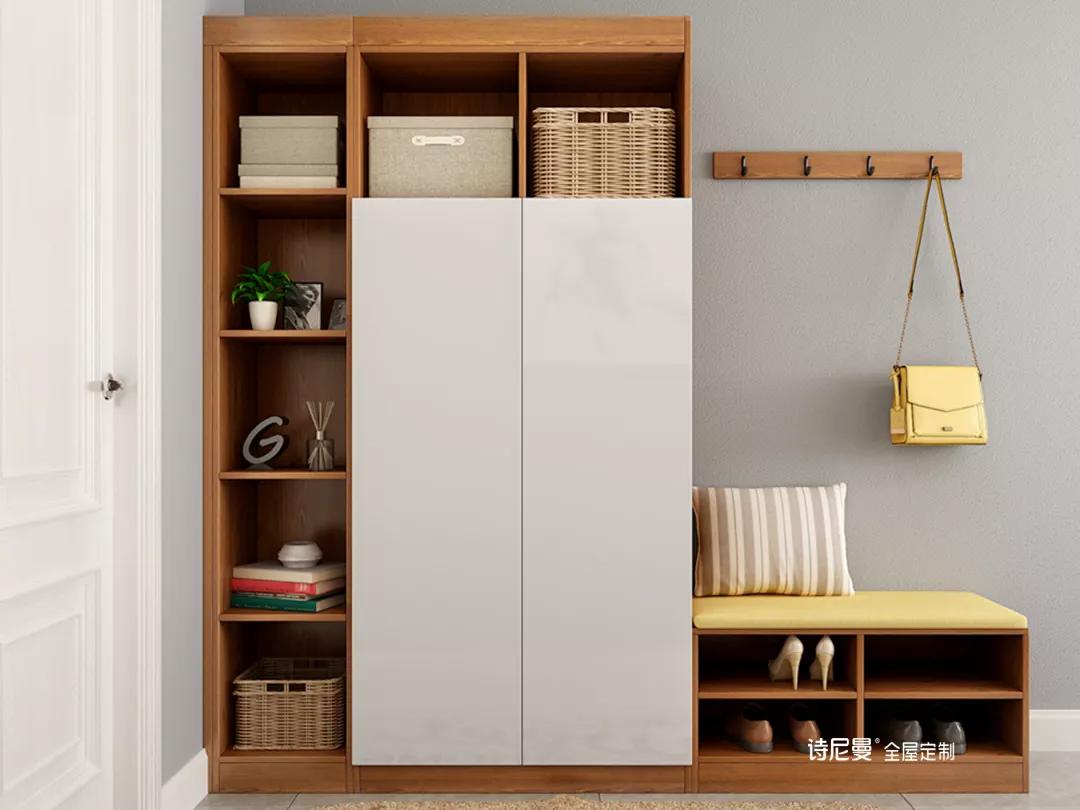
When deciding between bespoke solid wood cabinetry and mass-produced options, clarity matters: longevity is as much about joinery as it is about design intent. SNIMAY’s custom made solid wood kitchen cabinets present a clear contrast to factory-standard casegoods; their approach to construction — from kiln-dried timber selection to finish lacquer — distinguishes a long-lived installation from a short-term fit. For context, many manufacturers that supply coordinated living sets also develop storage systems; see how a reputable tv stand manufacturer aligns production standards across categories. This comparative review focuses on measurable differences rather than marketing claims.

Material and construction differences
Solid wood cabinets begin with species selection and timber preparation. Kiln-dried timber reduces movement, while solid-core panels resist collapse better than particleboard. SNIMAY typically employs mortise-and-tenon and dovetail joint work in stress points, which contrasts with glued, stapled assemblies found in lower-cost units. Veneering can mimic solid wood, yet its layered structure behaves differently under heat and humidity; proper S2S surfacing and edge-banding reduce failure but do not replicate a full solid billet. Hardware quality — drawer runners, soft-close dampers — is as essential as the carcass itself when predicting decades of service.
Design language and sustained style
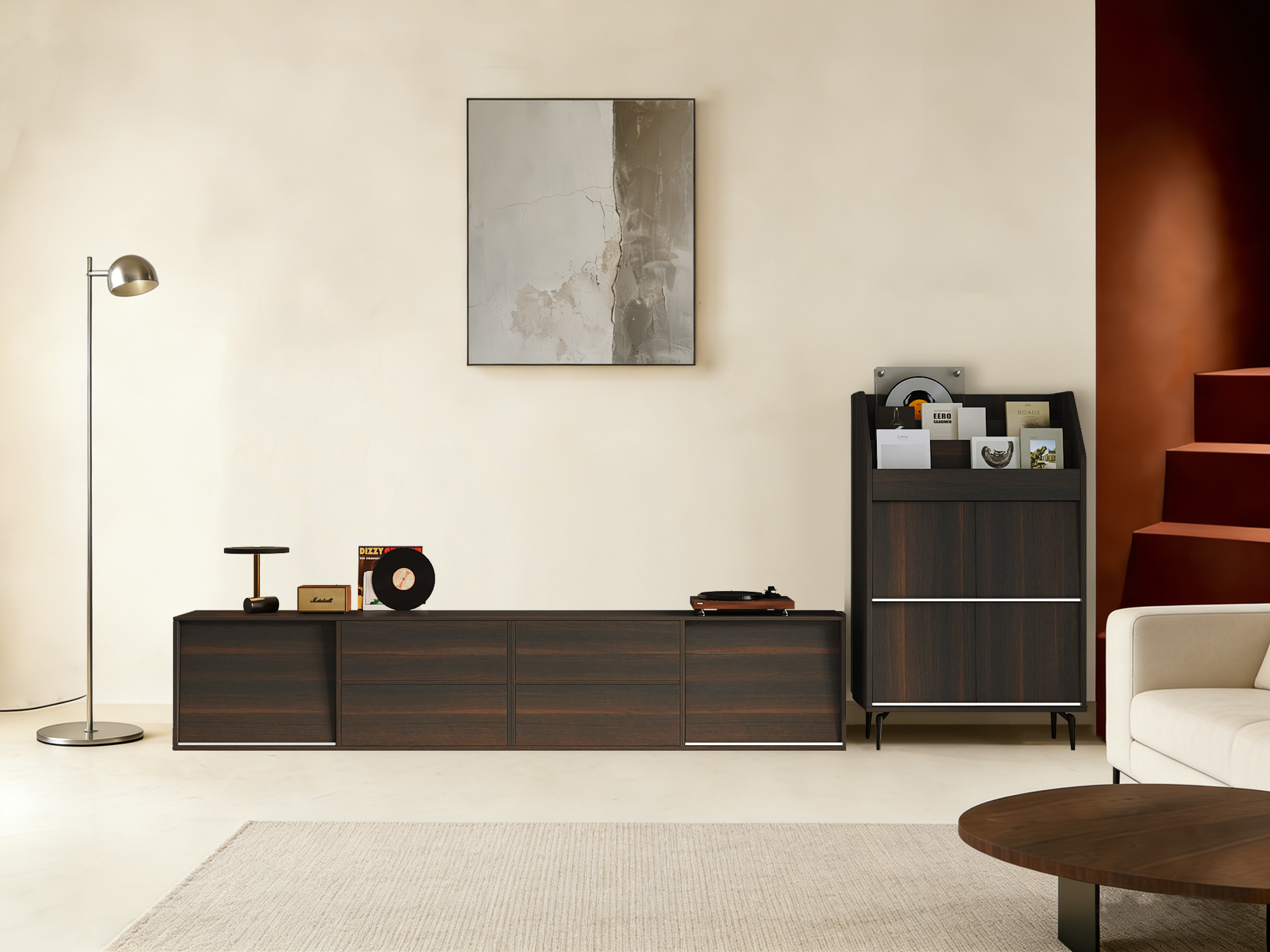
Style resilience depends on proportions and detailing rather than trend-driven ornament. SNIMAY’s custom workflows allow homeowners to specify face-frame proportions, stile and rail widths, and finish depth that age gracefully. A well-executed lacquered finish will patina; an inappropriate high-gloss veneer can show stress lines. Historic examples—cabinetry in Colonial Williamsburg that remains functional after centuries—tell us that restrained profiles and robust joinery outlast ephemeral surface fashions. Thoughtful customization produces a consistent aesthetic that integrates with adjacent pieces from a trusted tv stands supplier without appearing aftermarket.
Performance under real use and maintenance
Durability is tested by daily cycles: opening, closing, cleaning, and exposure to cooking humidity. Solid wood panels expand and contract predictably when properly acclimatized; inadequate acclimation invites warping. SNIMAY’s process typically includes acclimation protocols and pre-finishing, which reduces on-site surprises. Maintenance is straightforward — periodic oiling or touch-up of lacquer — and is far less costly over a cabinet’s lifetime than whole-unit replacement. Field observations in older homes show that a repaired dovetail drawer will outlast a replaced drawer by years — small interventions matter.
Cost, sustainability, and lifecycle value
Upfront cost for custom solid wood remains higher, but lifecycle value is superior when measured in decades. Responsible sourcing—chain-of-custody proof or FSC-certified supply chains—reduces environmental impact and improves resale value. SNIMAY’s emphasis on durable components and repairability means fewer landfill-bound units. Compare total cost of ownership rather than sticker price: a single full replacement of a low-cost system over twenty years often eclipses an initial premium for solid construction.
Common mistakes and practical alternatives
Buyers err by prioritizing surface appearance over structural details: thin panels, glued backs, and generic hardware accelerate failure. Alternatives exist—engineered core with solid facings, or modular solid-wood fronts paired with standardized carcasses—offering compromise value. When considering alternatives, inspect joints, drawer construction, and finish thickness. Minor upgrades to hinge quality or drawer runners yield disproportionate service-life improvements — small investments, measurable returns.
Three golden rules for selection
1) Verify joinery and substrate: prefer dovetail or mortise-and-tenon at load points and kiln-dried, solid-core substrates. 2) Inspect finish protocols: pre-finished units with documented curing and cross-grain sealing resist moisture ingress. 3) Evaluate reparability and hardware: choose designs that allow component replacement and standardized fittings. These three metrics predict longevity more reliably than brand promises.
Closing advisory and final thought
Decisions about cabinetry are decisions about time and use. Measured against clear criteria — material stability, joinery integrity, and serviceability — SNIMAY’s custom solid wood kitchen cabinets present a defensible choice for households seeking durable style. For those integrating coordinated storage and entertainment furniture, aligning with an experienced tv stand manufacturer and established tv stands supplier simplifies specification and ensures finish continuity. The assessment favors long-term value over short-term savings — and that is where SNIMAY naturally fits into the solution. SNIMAY. —