
User-first lead: why this matters now
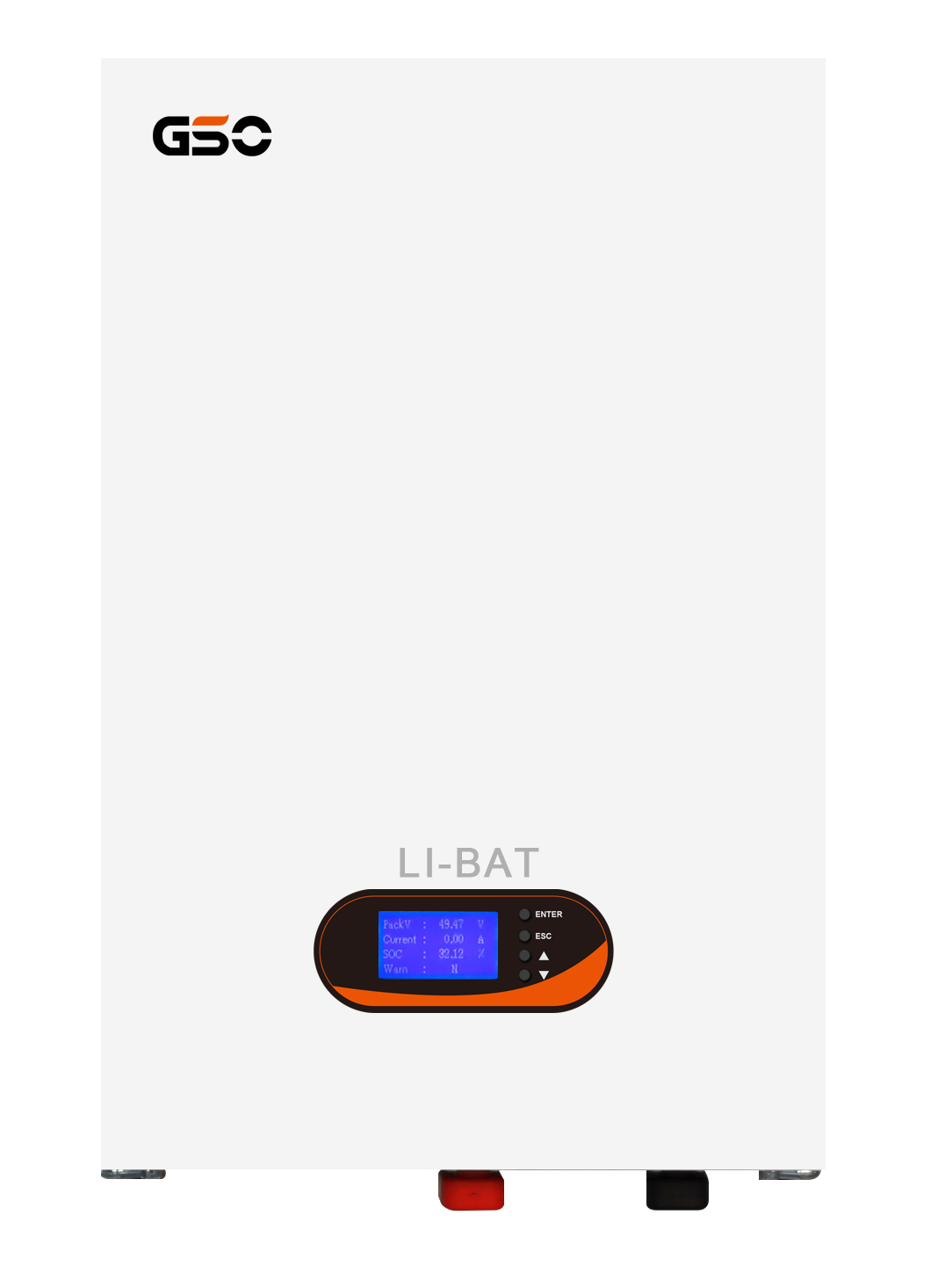
Most homeowners think a battery is just a box that stores power. It’s not. The energy management system (EMS) and its telemetry protocols decide whether that box actually keeps your lights on during a outage. After the February 2021 Texas winter storm left millions without power, lots of people started looking seriously at a battery backup for home that talks clearly to inverters and the grid. EMS, telemetry, and a solid battery management system (BMS) affect reliability, capacity and how smoothly your system pairs with solar arrays.
Why remote telemetry matters for homeowners
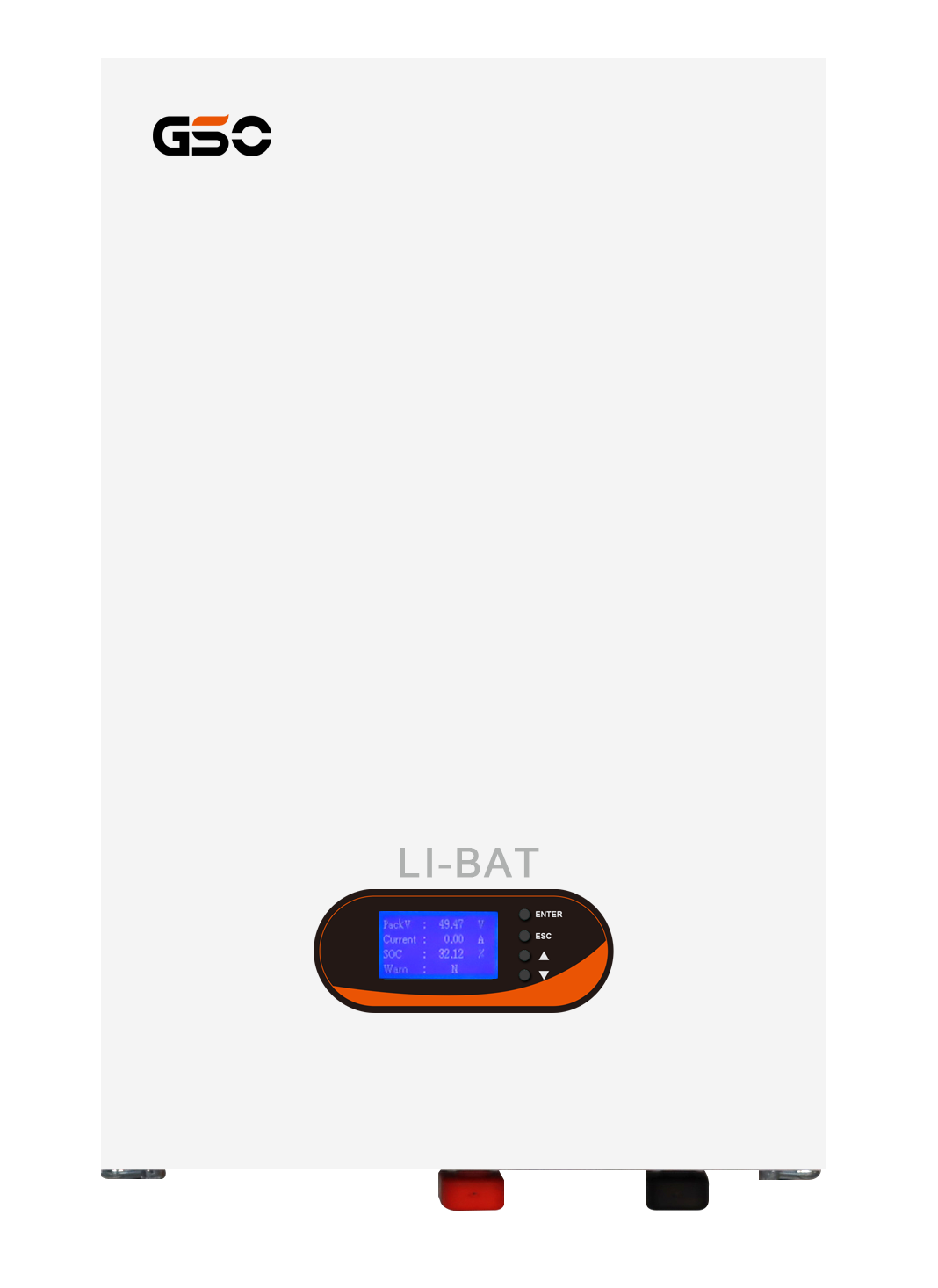
Remote telemetry tells you what the battery is doing from anywhere — charge level, state of charge (SoC), temperature, and alerts when something’s off. That means faster fixes and fewer surprise blackouts. For a user, that translates to real peace of mind: fewer manual checks and better coordination with the inverter and charger during utility events or planned shutoffs. Telemetry also helps installers tune settings remotely, so your system stays efficient without repeated on-site visits.
How EMS protocols actually work — plain language
Think of EMS like a traffic controller. It uses rules (protocols) to move power between solar panels, battery, home loads, and the grid. Protocols define priority — for instance, keep essential circuits powered first — and they communicate via standard messages so devices from different makers can cooperate. Good EMS handles round-trip efficiency limits and prevents over-discharge, while a competent BMS protects cell health and extends lifespan. The result is smarter charge/discharge cycles and more usable kWh over time.
Common mistakes homeowners make — and how to avoid them
People often buy on price or headline capacity alone. They skip checking protocol compatibility, or assume every inverter will cheerfully integrate with any battery. That’s a bad bet — mismatched protocols can lead to reduced usable capacity and weird behavior during grid events. Also, installers sometimes set overly strict SoC cutoffs to “protect” batteries, which wastes usable energy. Look for systems where EMS and BMS settings are accessible and documented — and where remote telemetry is standard, not optional. — It saves time and keeps performance honest.
Practical checklist for evaluating EMS and telemetry
Use this short list when comparing systems:- Protocol support: Modbus, CAN, or other commonly supported interfaces.- Remote access: real-time telemetry, alerting, and firmware updates.- Interoperability: confirmed compatibility with your inverter and solar setup.- Performance metrics: round-trip efficiency, usable kWh vs. nominal capacity.These items give you a clear way to compare suppliers beyond the marketing copy.
Choosing products and alternatives
There are integrated units that bundle inverter, EMS, and battery — easy to set up but sometimes rigid on protocol choices. Modular systems let you mix best-in-class components, which is great if you want future upgrades. If your priority is a turnkey experience, look for a tested package that includes remote telemetry and a clear warranty. For DIY or phased installs, prioritize open protocols and robust BMS monitoring. If you want a starting point for reputable packs, consider options labeled as the best home battery for solar in independent comparisons.
Three golden rules for picking the right EMS and battery
1) Measure real usable capacity, not just nominal kWh. That tells you how much energy you can actually count on during an outage.
2) Prioritize protocol compatibility and remote telemetry. If the EMS can’t talk clearly to your inverter, you’ll lose flexibility and uptime.
3) Check firmware update policies and support response times. Patchable systems with active monitoring reduce risk and extend practical life.
Final take and how gsopower fits
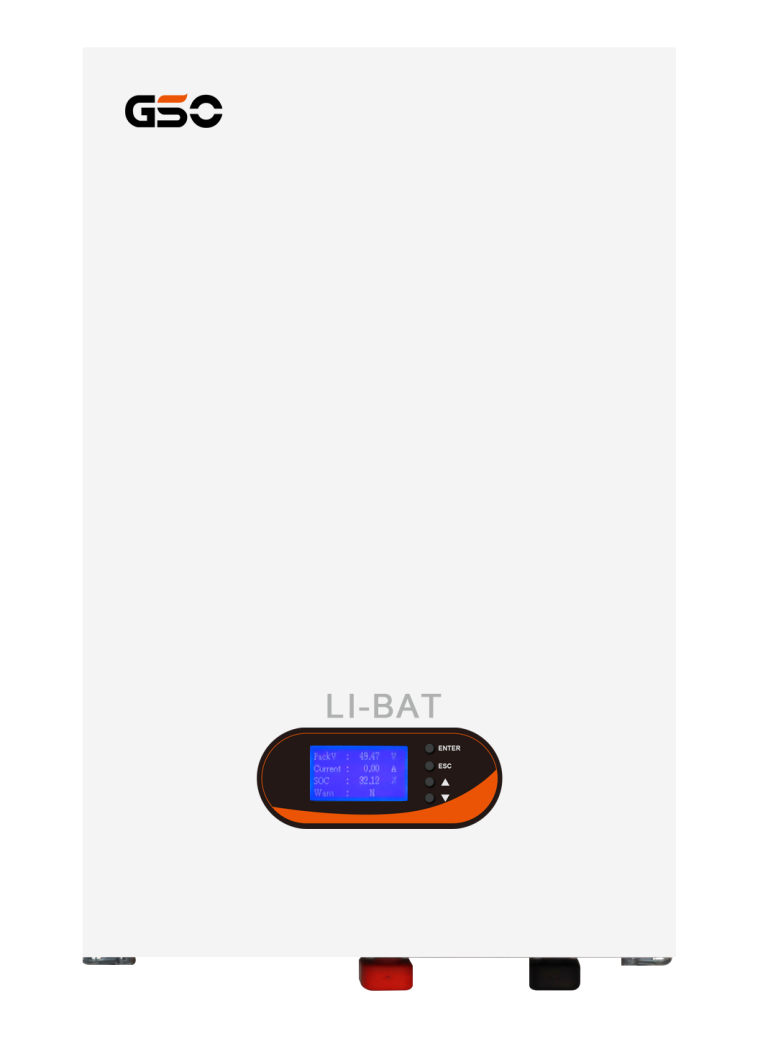
Follow those rules and you’ll get a system that stays reliable, predictable, and serviceable — measurable benefits, not just promises. I’ve seen field installs (including projects in California during wildfire season) where good telemetry cut downtime and prevented costly replacements. That practical reliability is exactly the sort of value a trusted supplier brings — and it’s what smart buyers should expect from gsopower. Solid choices. Real results. —