
Introduction
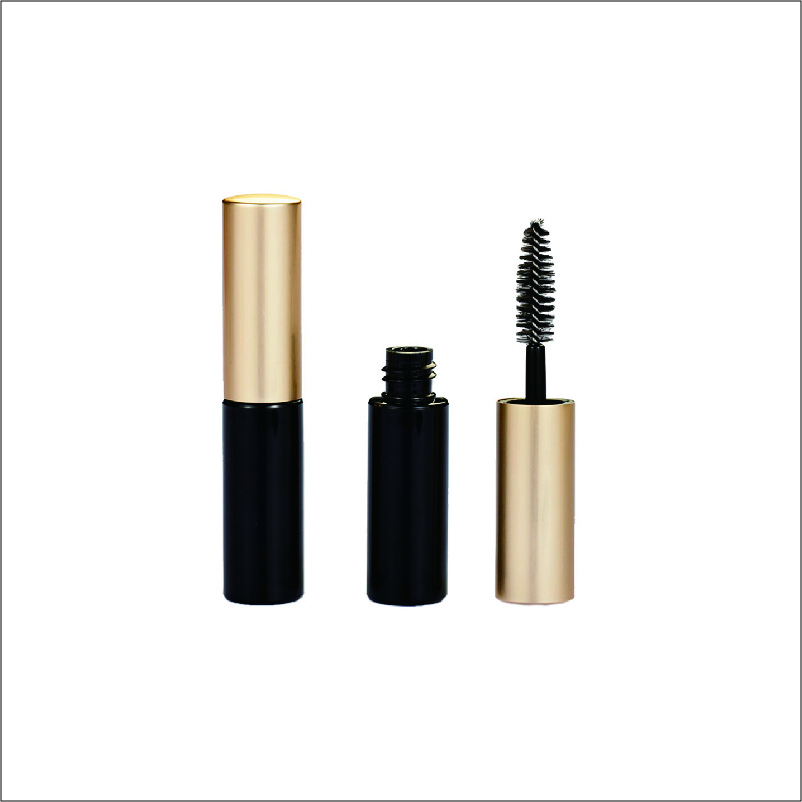
A buyer walks into a warehouse expecting a deal and walks out with a delay. Been there. In the scramble for empty mascara tubes wholesale, the price-per-unit looks wicked good until the fine print shows up at your dock. Partnering early with a mascara tube manufacturer changes the math—fast—because what you don’t see (tolerances, wipers, resin grades) is what hits your launch date. One recent audit we ran showed 18% of bulk lots needed rework due to loose cap torque and wiper orifice drift, and that’s time your fill line doesn’t have. So, what if the real win isn’t “cheaper,” but “truer cost” across the run?

Here’s the rub: you can dodge unit cost and still lose on scrap, returns, or freight—funny how that works, right? Let’s compare smarter and set a baseline you can trust, from spec to shelf. On to the buried drawbacks and how to spot them.
Hidden Costs Lurking in Bulk Deals
Where do the hidden costs hide?
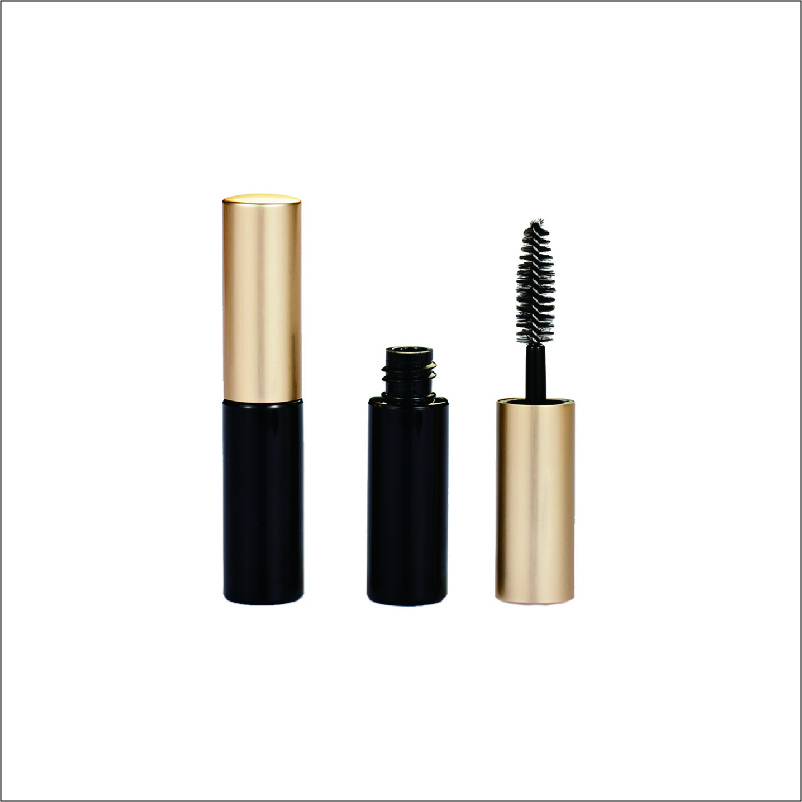
Look, it’s simpler than you think. Traditional bulk buying leans hard on list price and MOQs. Yet the pain points creep in through the wiper orifice spec, cap-to-rod torque testing, and applicator fiber shed. If your vendor can’t show statistical process control on injection molding and stem straightness, you pay later in rejects. The quick fix—swap wipers, adjust brushes—steals time from your fill window and jacks up handling. When you source blind on “standard” tubes, you also inherit guesswork on PCR resin content, wall thickness, and airtight seal performance under pressure. That’s where humidity chambers and leak testing earn their keep (and where many quotes skip the detail).
Graphics can be a minefield, too. Hot stamping and silk screening need matched surface energy and good anodizing on collars, or you’ll see smearing and color shift. Freight consolidation saves dollars until lead times slip and you air-ship a patch order—boom, there goes your margin. The quiet killer? Incompatible threads that slip at the capping turret, causing micro-leaks on the line. Every “cheap” shortcut has a twin cost: scrap, downtime, or returns. And no one lists those on the invoice—nothing personal, just the game.
New Principles Shaping the Next Comparison
What’s Next
Comparative buying is changing, and it’s more technical now—by design. A modern mascara tube supplier should give you production data you can use: in-line vision checks on stem straightness, SPC charts for cap torque, and cavity-level traceability so you isolate issues to a mold pocket, not an entire shipment. Digital tooling shortens changeovers, while modular molds let you swap wiper geometries without resetting the whole line. That means fewer surprises and cleaner scale-up. Add IoT tags or QR traceability and your returns process starts looking like a fast filter, not a headache. It’s not buzz—these controls knock down the exact flaws that used to eat your savings.
Sustainability is also real math now. Life cycle assessment on PCR resin blends, UV ink adhesion tests on recycled substrates, and ultrasonic welding for tighter seals tackle performance without greenwashing. When you compare suppliers, stack their data pairs: leak rate at altitude, brush fiber retention after 1,000 strokes, and fill-line compatibility at speed (200+ bpm). If specs get fuzzy—pause. A clear spec map reduces odds and ends—then your forecast does what it should: hold. Different vibe from the old “price-first” playbook, but it keeps launches on track—funny how that tracks, right?
How to Choose Smartly (Advisory Metrics)
To lock in results, score every short list on three measurable checks. 1) Process capability: ask for Cpk on wiper orifice and cap torque, plus first-article and aging data; anything under 1.33 is a risk. 2) Line readiness: confirm stem and thread tolerance bands against your capping head, and run a timed FAT on your fill line with documented rejects per thousand. 3) Total landed cost: add tooling amortization, graphics yield, freight mode, and scrap assumptions to the unit price—then compare. If a partner can’t show these in writing, the “savings” are likely borrowed. Keep the questions plain, the data cleaner, and you’ll spot the real delta between quotes. For steady guidance without hype, see NAVI Packaging.