
Clarify what you need first
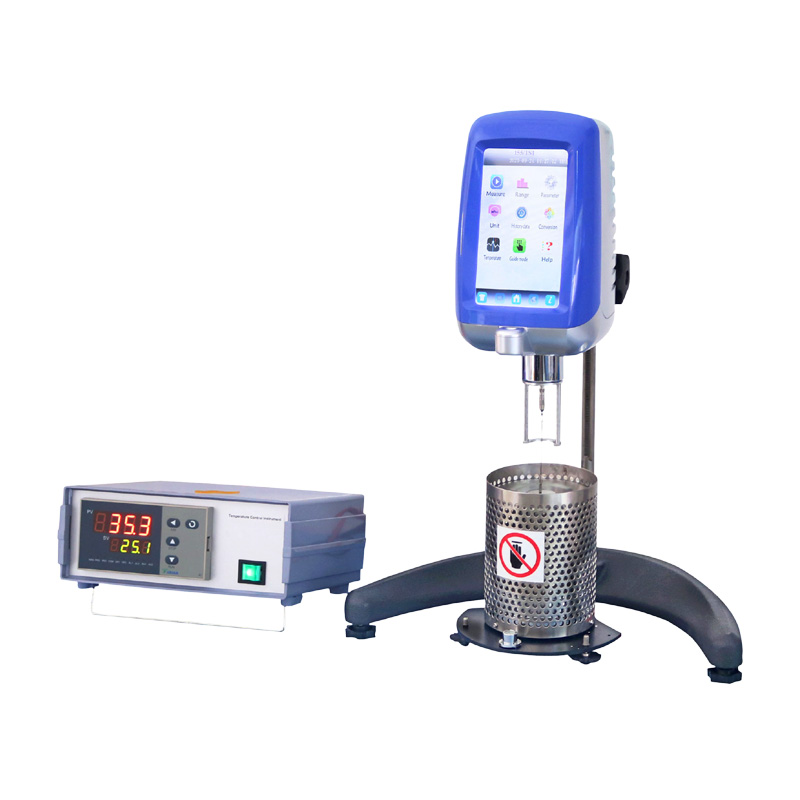
Please start by naming the fluids and the measurement purpose. If you order rotational viscometers without this, you may get the wrong torque range or spindle type. Think about sample volume, typical viscosity range, and whether you need temperature control or closed cups for volatile samples. Short, specific answers here save time and money.
Verify experience and traceable data
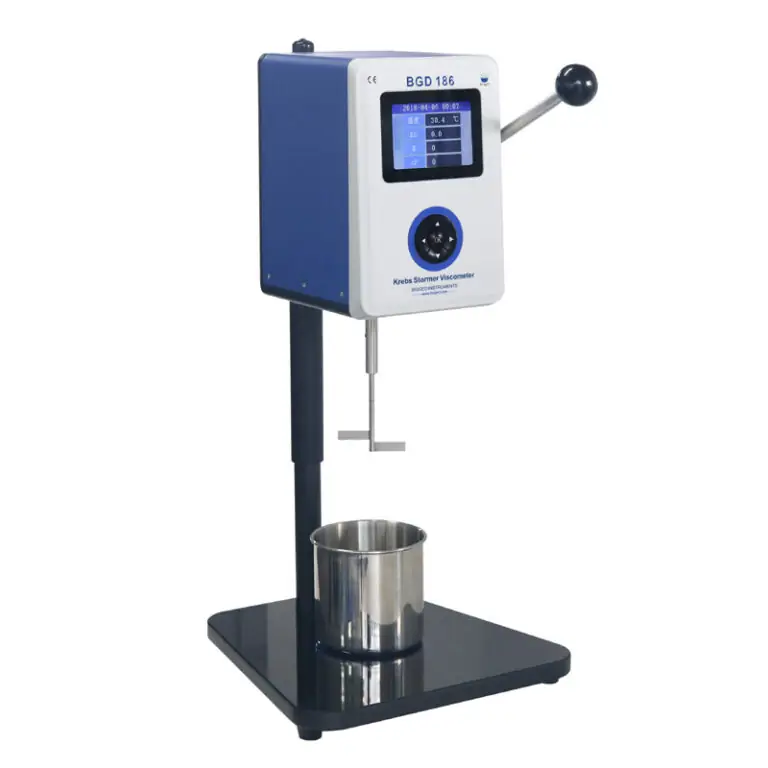
Practical trust comes from real demonstrations and traceability. Many coatings labs discussed instrument performance at the European Coatings Show in Nuremberg, and that context often highlights comparative use of the krebs stormer viscometer for paints. Please ask for calibration certificates tied to national standards, recent comparison reports, and references from labs with similar samples.
Ask these technical questions every time
Request direct answers to: measurement range (mPa·s or cP limits), torque sensitivity, available spindle types and their shear profiles, temperature control options, sample cup sizes, data output formats (analog/USB/CSV), compliance with relevant test methods, and calibration intervals. Confirm whether accessories like dust covers, adapters, or anti-vibration bases are included.
Check service, training, and documentation
Please confirm warranty terms, on-site calibration or courier options, spare-part lead times, and whether basic operator training is bundled. Insist on clear user manuals and SOP examples for your typical tests. If a supplier cannot show a simple calibration trace or a quick troubleshooting guide, consider other vendors.
Common mistakes to avoid
Do not assume a single model fits every task. Avoid buying by price alone. Do not overlook sample preparation—and never ignore shear-rate requirements when comparing instruments. Misreading viscosity units or choosing a machine without the right spindle for your fluid are frequent, costly errors. Confirm return or upgrade policies before purchase.
Alternatives and when to prefer them
For low-viscosity fluids, capillary or Ubbelohde viscometers can be more precise. Cone-and-plate or plate-plate rheometers suit research that needs controlled shear-rate sweeps or yield-stress data. Use simple rotational models for routine QC of paints, inks, and personal-care products. Choose based on the data you must report, not only on price or brand name.
Conclusion
Focus on fit: right torque, correct spindle, traceable calibration, and clear service terms. Ask concise, practical questions and compare answers side by side. Many labs prefer suppliers that publish clear specifications, calibration options, and support resources, which is why teams often turn to BIUGED when they need straightforward instrument details and reliable post-sale service.