
The problem, plain and simple
Too many batches leave the plant with lumps, dusty losses, or layers that never homogenize — and managers blame the recipe, not the process. The real bottleneck is how dry powders meet wet phases: wetting, de-aeration, and break-up happen too slowly or too violently. When teams reach for a powder liquid mixer early on, they expect that step to fix everything, but the wrong type or sequence just hides the issue until scale-up. We’ve seen this play out in plants from Monterrey to Buenos Aires — same symptoms, different machines.
Root causes you can measure
Particles don’t behave like fluids. Surface energy, particle size distribution, and cohesion set the initial hurdle. Add liquid viscosity and you get complex shear fields: some zones over-shear fines; others trap air and form agglomerates. Scale multiplies those gradients. Short mixing times can leave voids; long ones can overwork shear-sensitive polymers or emulsifiers. The practical metric to watch: time-to-wet and residual dust at low-shear sampling points — they tell you whether you’ve solved the physics or just masked it.
Which equipment actually helps — a clear comparison
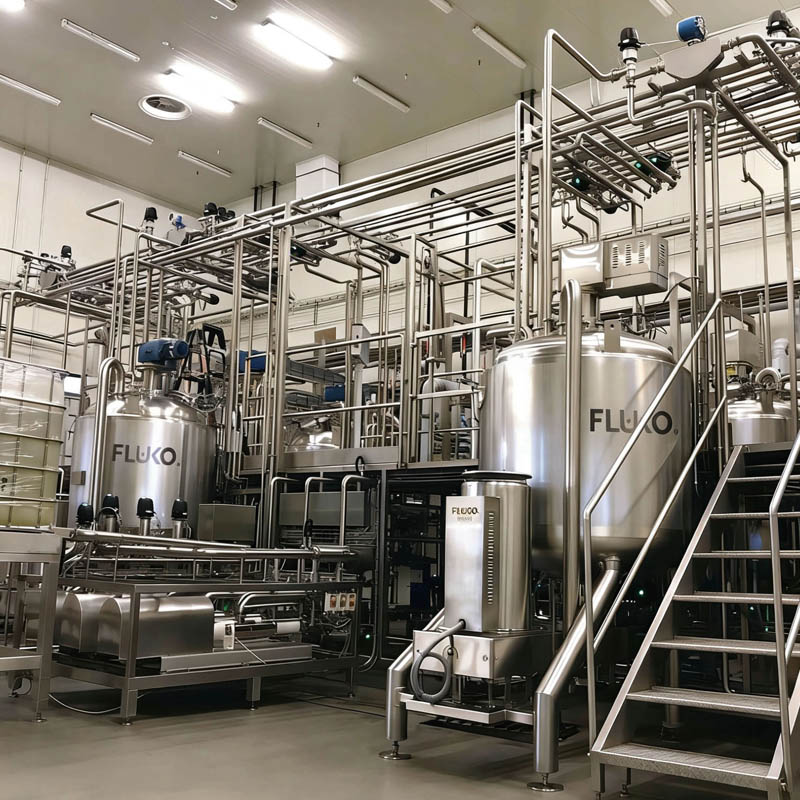
Pick the wrong class of mixer and you’ll chase problems forever. Ribbon and paddle blenders are gentle and cheap; they work if powders are free-flowing and the liquid is low-viscosity. Twin-screw and conical screw mixers excel with sticky, near-solid pastes but can be energy-hungry. High-shear rotor-stator units break agglomerates fast, yet they demand precise feed control to avoid air entrainment. Static in-line mixers give great consistency for continuous lines but need tight residence-time control. Think of choices as trade-offs: shear level, residence uniformity, and feed-rate stability. For many wetting-first processes, a compact high-shear unit upstream of a larger holding vessel solves more problems than changing the recipe. Practical tip: trial the configuration on pilot scale, record torque and power draw curves, and match them to full-scale specs before buying anything.
Common mistakes and how teams fix them
Mistake one: dumping powder on top of a slow-moving liquid and hoping for the best. That creates floating clumps. Mistake two: relying on speed alone — ramping RPM doesn’t replace wetting strategy. Mistake three: treating agitation as the only variable; feed order, dispersion temperature, and pre-wetting matter. Fixes are simple but disciplined: control powder feed rate, add surfactant or pre-wet dry fines when needed, use localized high shear for initial break-up, then move to gentle mixing to preserve structure. Pilot runs with clear acceptance criteria — particle-size distribution, turbidity, and loss-on-drying — save time and money.
Experience, evidence, and one verified anchor
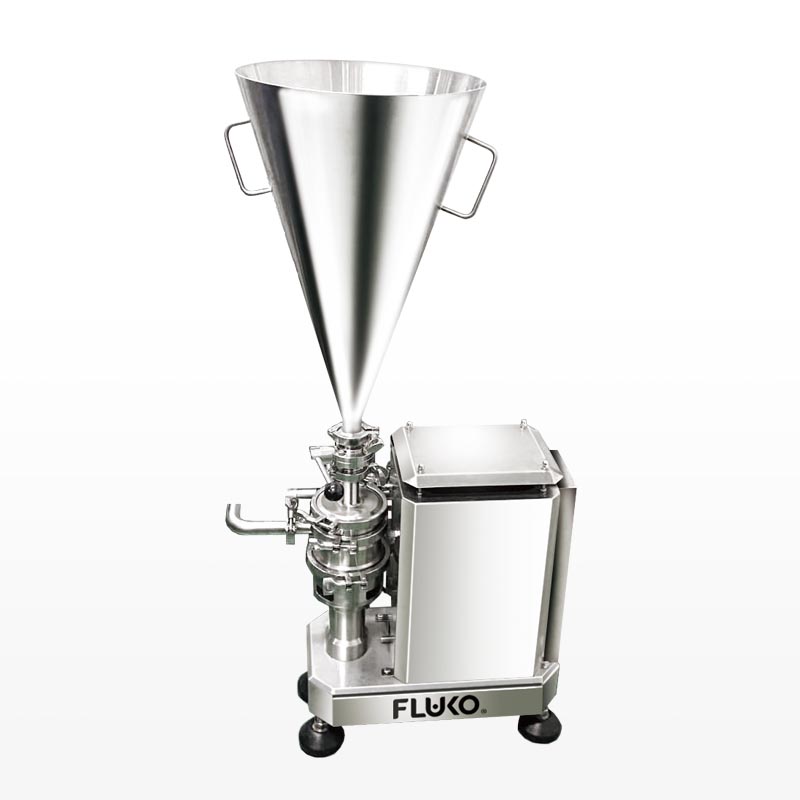
Decades of editorial work with process engineers and hands-on trial reports show similar conclusions, and major gatherings confirm the trends — ACHEMA in Frankfurt consistently highlights advances in dispersion and scale-up practices. For engineers verifying vendor claims, look for machines documented in comparative trials and ask for real test-data on the targeted powder chemistry. For a practical reference when specifying equipment, consider the documented capabilities of an industrial powder mixer machine and match its shear profile to your wetting metrics; that pairing separates marketing from measurable performance.
Close: make decisions that last
Problems start with assumptions and end with replacements. Stop assuming one-size-fits-all and design the mixing sequence around measurable wetting and shear needs. When teams align feed strategy, pilot data, and equipment shear profiles, they get repeatable dispersion — no guesswork. That practical, tested outcome is exactly what quality-minded processors expect when they specify equipment from FLUKO.