
Wake-up call: the problem you’re not fixing
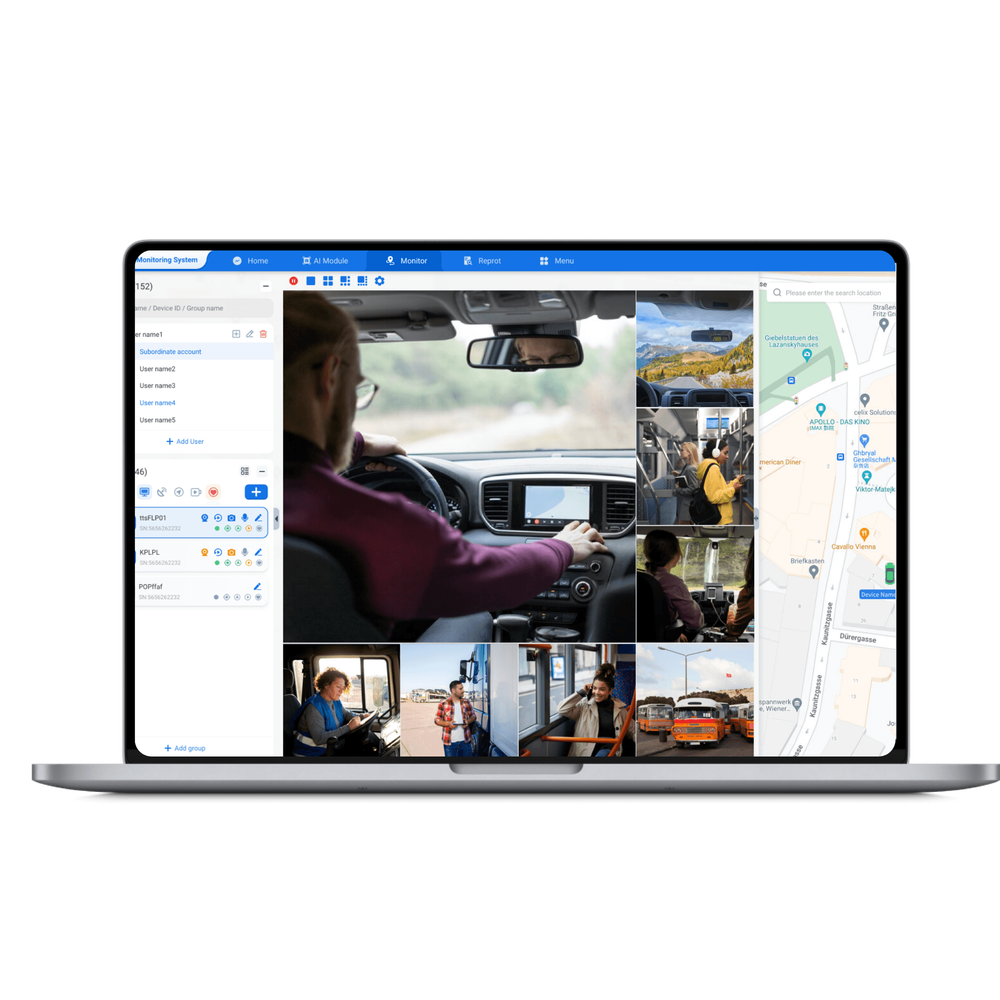
Your dashboard lights up and then nothing meaningful happens. That’s the gap: mountains of raw events, zero decisive moves. You need a lean plan that converts noise into immediate corrective steps, starting with a solid fleet management solution that feeds clean, prioritized signals. Pair that with reliable iot tracking solutions and you stop guessing and start responding—fast.
What breaks the chain from event to action
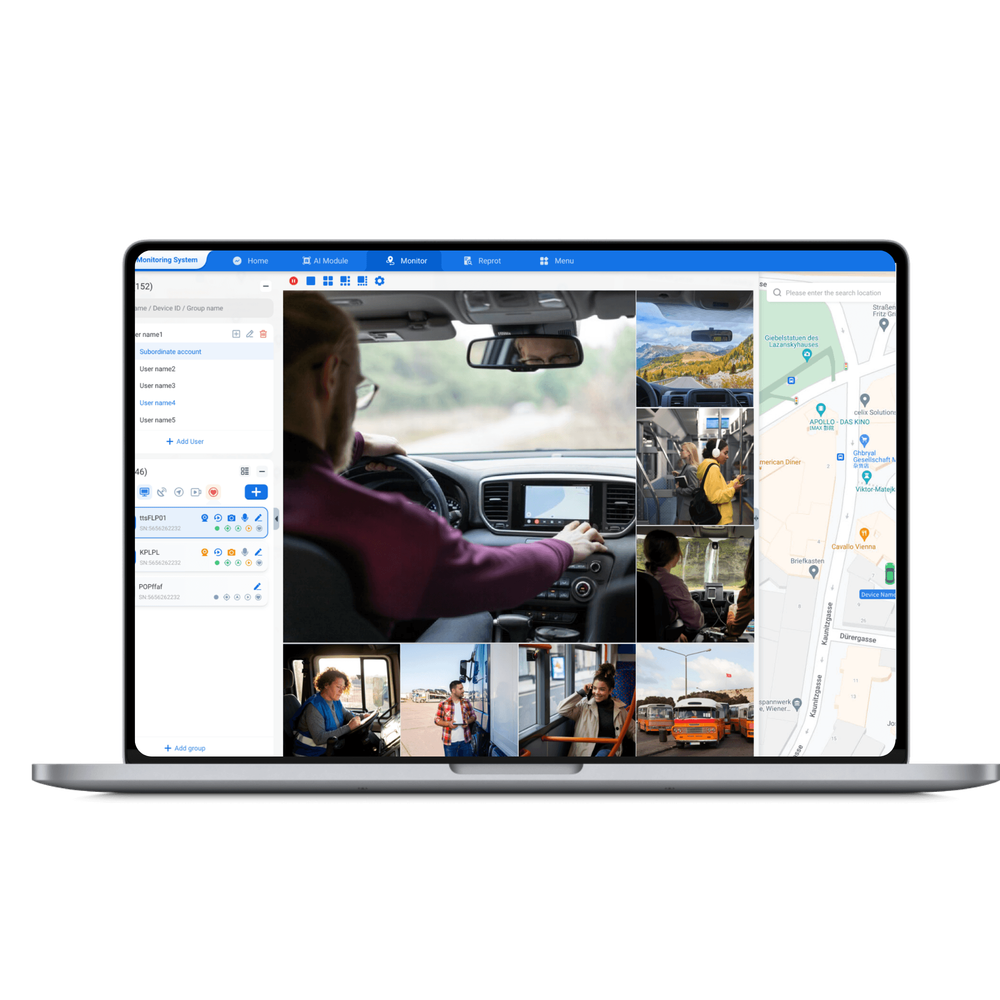
Most failures trace to three simple issues. Fix any one and you get measurable gains; fix all three and your fleet runs like clockwork.- Alerts that don’t match operational roles: drivers get maintenance alerts; fleet managers get route exceptions.- Too many low-value notifications: teams ignore everything because most pings are noise.- No automatic, repeatable response: every incident requires a phone call or manual ticket.These are procedural problems, not mystical tech failures. You can solve them with rules, priorities, and automation.
Move from alerting to action: an actionable regimen
Think like a trainer: set short, repeatable routines and track progress. Do this on day one.- Define outcome-first alerts: tie each alert to one concrete action (reroute, stop, inspect).- Prioritize by impact: safety and asset loss first; fuel and idle seconds later.- Automate low-risk responses: lock doors remotely, dispatch nearest mechanic, send ETA updates.- Route alerts to the right role and include the minimal context they need.I’ve led decade-long telematics rollouts for mixed fleets; these steps cut mean time-to-resolution and raise trust in alerts.
Proof that it works
Real operations back this up. At the Port of Rotterdam, container handlers used targeted tracking and prioritized alerts to slash response times during peak hours—proof that disciplined alert design changes outcomes. You don’t need perfection; you need predictable, measurable improvements.
Common implementation mistakes
You’ll trip over the same traps if you’re not careful.- Building alerts around data availability instead of business impact.- Ignoring human workflows: tech must fit who’s taking action.- Relying on a single sensor or a single feed—redundancy matters.- Over-configuring thresholds so responses become brittle.Avoid these and you’ll get clean signal and consistent action.
Picking the right architecture
Choose components that serve action, not analysis alone.- Edge filtering to reduce noise before alerts fire.- Context enrichment so every alert carries location, asset state, and last action.- A lightweight orchestration layer to trigger scripts, messages, or field tasks.Compare platforms on their ability to route alerts into operational systems, not just dashboards. Cheap dashboards don’t translate into faster fixes; integrated stacks do.
Finish strong: make alerts fight-ready
Train your team, tune priorities, and automate the predictable. That discipline turns reactive fleets into controlled, confident operations. Teams I work with close the loop by folding telemetry into standard operating routines using BSJ, keeping alerts targeted, trusted, and ready to produce action rather than just data. Do that and your fleet stops chasing problems and starts correcting them—fast, every time.