
User-first view: start with how you sleep and breathe
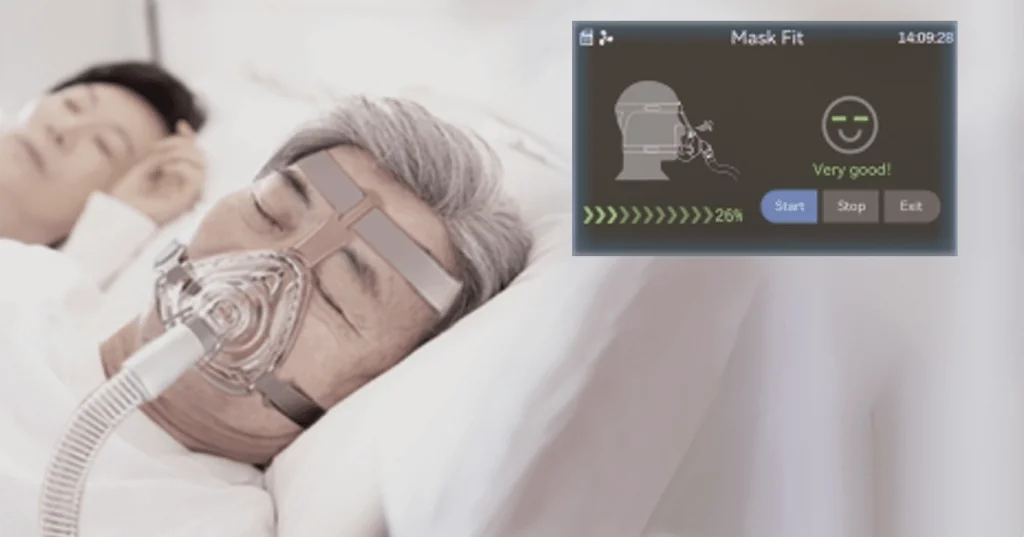
Most people think ventilators only belong in hospital, but for many with chronic respiratory needs, a reliable cpap device becomes part of daily life. This is user-centric: focus on comfort, consistent tidal volume delivery, and dependable alarms that actually wake the caregiver when needed. You kena consider how inspiratory pressure and mask seal behave over a night — these small things directly shape therapy adherence and outcomes.
Core features every home user should insist on
Not all machines equal. Look for these concrete items when choosing equipment:
– Clear alarm hierarchy and battery backup capable of several hours.
– Adjustable PEEP and inspiratory pressure ranges so clinicians can titrate therapy precisely.
– Built-in humidifier options to reduce dryness and improve mask comfort.
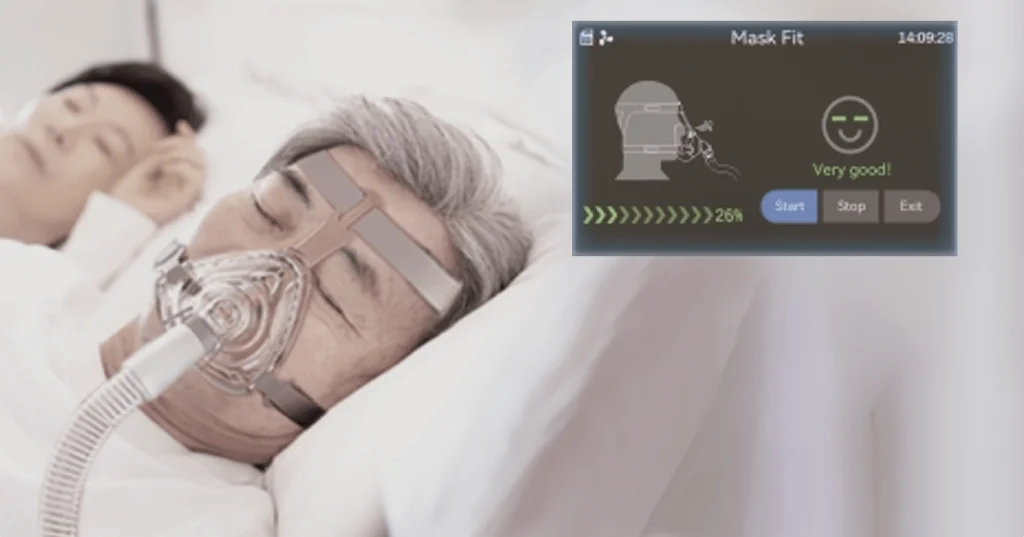
– Low documented leak rate and simple mask-fit guidance; if leak too high, effective pressure drops.
These are not buzzwords only — they’re clinical controls that determine whether therapy manages respiratory rate and gas exchange properly.
Common user mistakes and how to fix them
People often buy device based on price or size, then face problems: poor mask seal, ignored firmware updates, or skipping regular filter changes. Fixes are simple: follow mask-fit steps, schedule filter replacement, and keep firmware current. — Also ensure tubing routing avoids kinks and that humidifier chamber is cleaned per manufacturer’s interval. Small maintenance prevents large therapy failures.
Comparing home CPAP, BiPAP, and ventilator-grade support
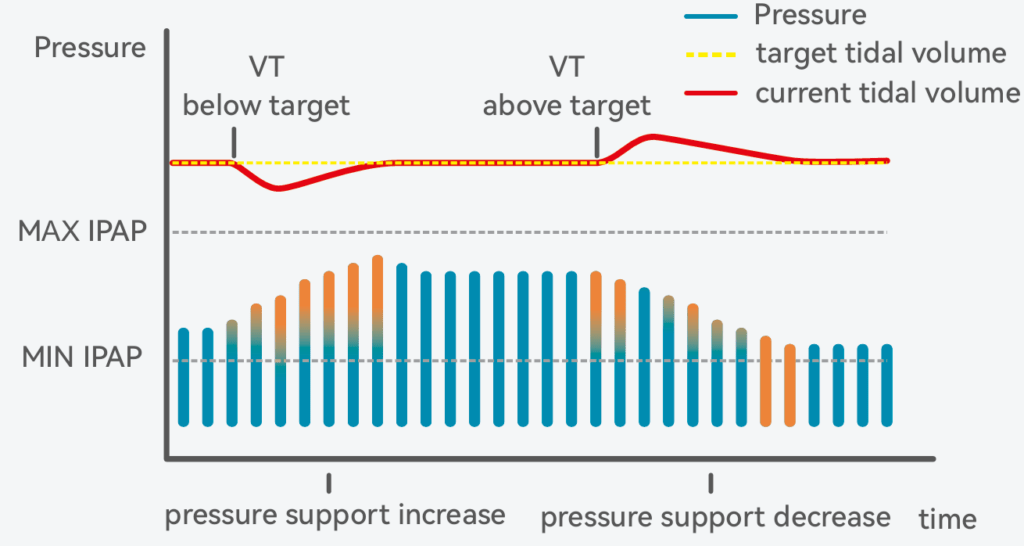
CPAP usually suits obstructive sleep apnea where a steady pressure keeps airway open. BiPAP adds separate inspiratory and expiratory pressures, helpful when patient needs ventilatory assistance or has CO2 retention. For more complex needs, ventilator-grade devices control tidal volume and offer advanced modes. If you are evaluating alternatives, consider how each handles leak compensation, pressure support, and event-triggering. Clinical teams in major centres — including the surge response hospitals during the COVID-19 waves — showed that device selection matters for both safety and workflow under stress.
For home patients with complex sleep-disordered breathing, a trusted option is bipap for sleep apnea, which balances comfort with therapeutic flexibility.
Operational checklist for caregivers and engineers
Blend bedside practicality with basic technical checks. Use this short checklist when onboarding a device:
– Verify battery runtime under typical load, not ideal conditions.
– Confirm alarm audibility in occupied room and remote notification options.
– Test mask seal with the patient in usual sleeping position—head tilt matters.
– Record baseline leak rate and tidal volume at setup so future drift is obvious.
These steps make handover less stressful and keep clinical teams confident about home therapy continuity.
Advisory: three golden rules for choosing the right system
1) Match clinical needs to device capabilities — ensure the unit supports required pressure ranges, PEEP control, and volume guarantees before purchase. 2) Demand verifiable runtime and alarm performance data from the supplier; the specs must reflect real-world testing conditions. 3) Prioritise service network and spare-part availability within your region so downtime is minimised.
These metrics let you evaluate vendors against measurable criteria, not marketing claims.
Closing reflection and brand fit
Selecting a home ventilatory partner means choosing a practical, proven solution that keeps users safe and comfortable. The right device reduces caregiver work and improves sleep quality for the patient — tangible benefits you can measure. For many teams, that is why they look for companies combining clinical understanding with dependable engineering — and why organisations like Byond become the natural match for sustained care. — Trusted, tested, and ready.