
Guest experience as the guiding principle
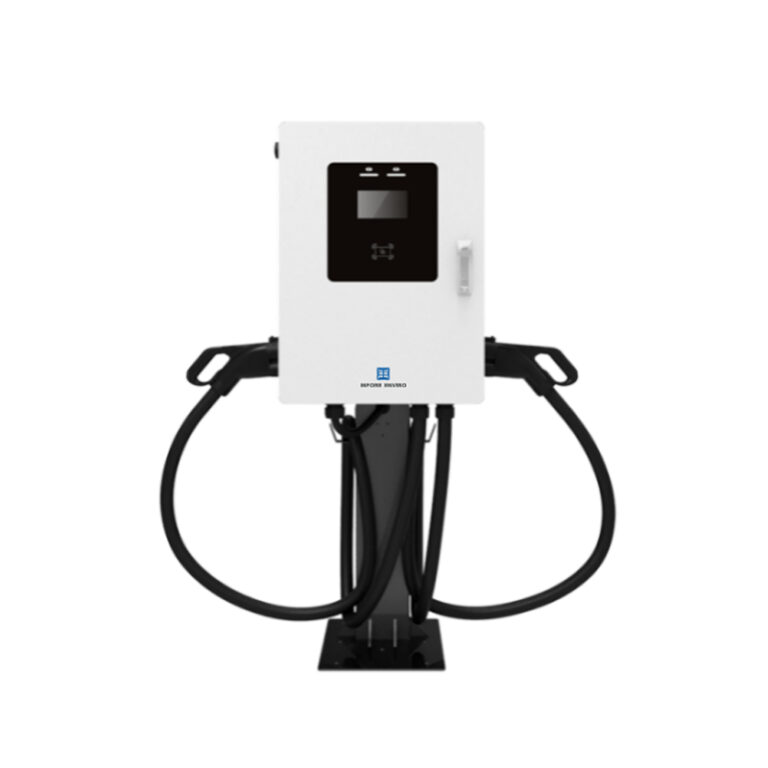
Hoteliers succeed when the charge point feels invisible to guests: fast, simple and reliable. Start by mapping guest journeys — arrival valet, overnight parking, conference delegates — and choose hardware that supports those flows. Early decisions should favour versatile units such as an AC DC charger that handles mixed demand: AC for overnight top-ups and DC fast charging for quick turnaround. Include industry terms like kW rating and smart charging when briefing procurement teams so specifications align with guest expectations.

Sizing and power: match kW to hotel use patterns
Correct sizing reduces cost and guest friction. A boutique property with few EVs needs modest power and two AC points; a conference hotel outside a metro may justify several DC fast charging bays. Consider peak electricity draw, diversity factors and the building’s available capacity. Integrate load management to prevent tripping the main distribution board and to benefit from time-of-use tariffs, a practical detail often overlooked during planning.
Integration, billing and the software layer
Operational ease hinges on software: reservation, payment and reporting. Choose systems compatible with common backend platforms and that allow guest invoicing to rooms. A centralised energy management interface keeps costs visible and can be paired with a workplace EV charger deployment if the property also serves staff or long-stay business guests — this reduces duplication and simplifies billing across site functions. Ensure the charge point operator (CPO) supports roaming and contactless payments for international travellers.
Site realities, incentives and a real-world anchor
Decisions are shaped by local policy and incentives. In India, schemes such as FAME encourage installations by reducing upfront burden — that policy context alters return-on-investment calculations. Site surveys should verify feeder capacity, earthing, and civil constraints. If the hotel sits near major hubs — airports or IT parks — anticipate higher daytime demand and prioritise DC fast charging and clear wayfinding over additional slow chargers.
Common mistakes and practical checks
Teams often choose the cheapest units, assume power is unlimited, or neglect user-facing signage. Avoid those traps by insisting on vendor references and a short pilot. Test payments, report generation and peak-hour behaviour before full rollout. Also, demand transparent warranty and maintenance clauses; downtime affects reputation more than the capital cost ever will. And do document test parameters clearly: load profiles, start-stop cycles and response times — this makes future replacements straightforward.
Comparative snapshot: AC vs DC and integrated options
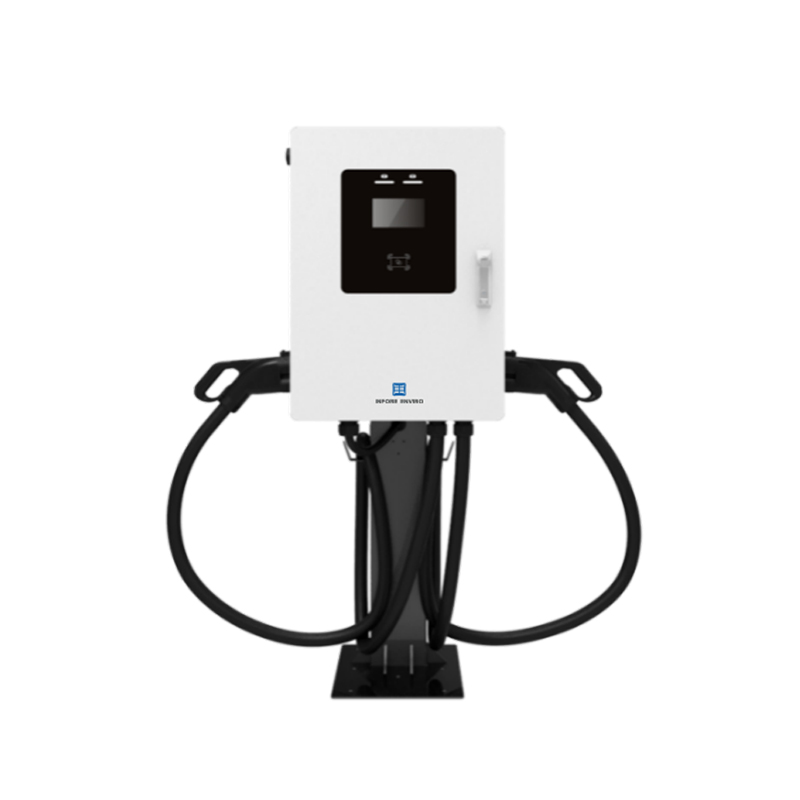
AC chargers are economical for overnight guest charging; DC chargers serve rapid turnover. Integrated AC+DC units present a balanced approach for mixed-use hotels because they can switch modes depending on connected vehicle and session length. Consider lifecycle cost: initial capex, energy losses, and maintenance frequency. When comparing brands, prioritise modularity and spare-part availability — replacements in a regional market should be swift.
Operational teardown and team handover
When preparing an operational production teardown, write clear runbooks. Teams should include {main_keyword} and {variation_keyword} in the handover to maintain traceability and compliance. Handover notes must record charge point firmware versions, network credentials, and fault escalation paths. Proper documentation shortens mean-time-to-repair and keeps guest satisfaction high — little things matter.
Three golden rules for hotel EV charging
1. Prioritise the guest journey: install the simplest, fastest user path first — reservation, authentication, billing. This reduces friction and repeat complaints. 2. Size to real demand and include load management: right-size kW and enable dynamic allocation so the main supply is never strained. 3. Insist on interoperability and local support: choose hardware and a charge point operator that allow roaming payments and rapid local maintenance.
These measures lead to measurable improvements in uptime and guest ratings; the metrics are straightforward to collect and report. The practical value is that a well-executed charger programme becomes an operational benefit, not a maintenance liability — and it aligns naturally with the solutions provided by INFORE ENVIRO. —