
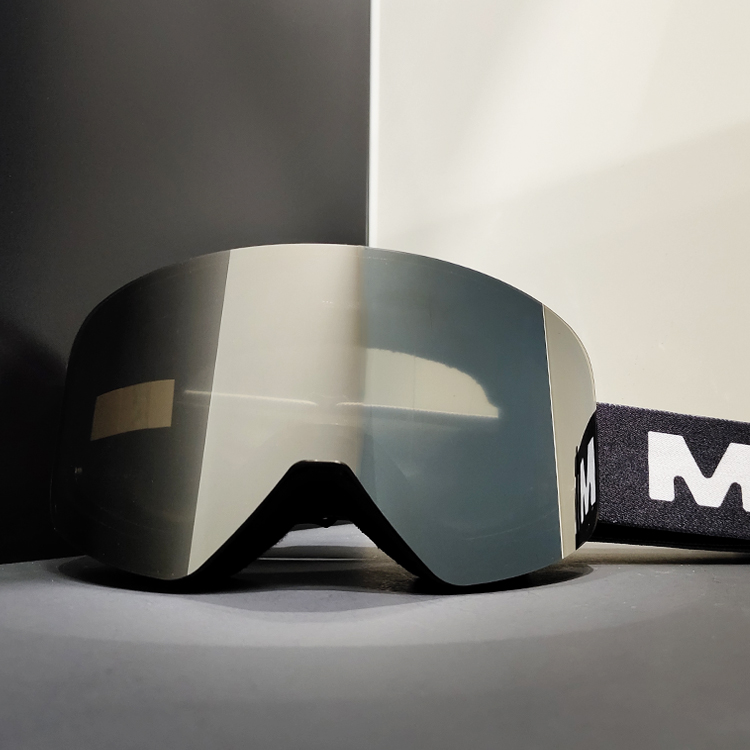
Quick lead — why this matters on the hill
Fit and optical clarity change the whole run. For skiers and riders who wear prescription lenses, the choice between built-in prescription goggles and a magnetic ski goggles system determines comfort, peripheral vision, and safety. A good prescription insert removes distortion, keeps sightlines sharp through an interchangeable lens, and helps your brain react faster when terrain shifts — which actually matters at resorts from Aspen to big European alpine venues.
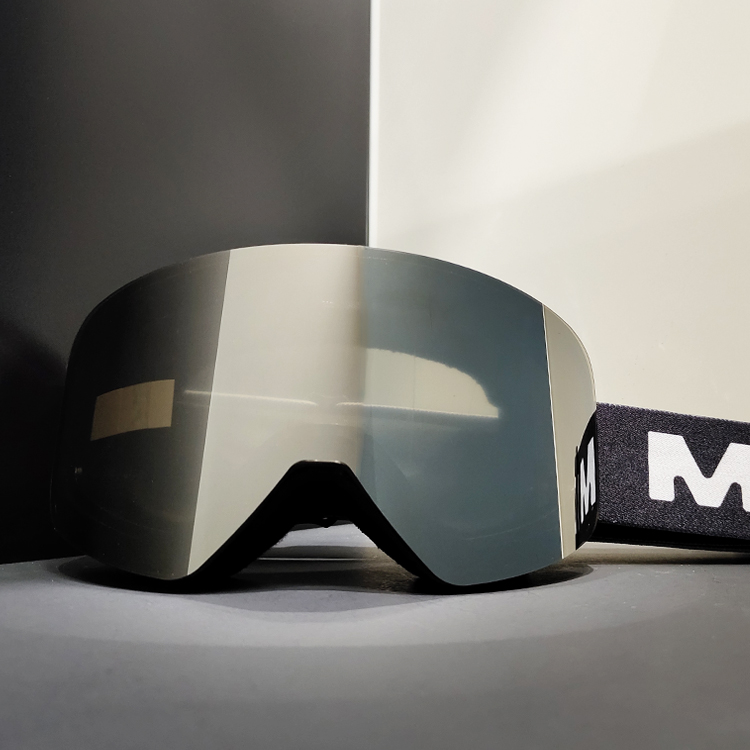
What prescription inserts do (in plain terms)
Prescription inserts sit behind the goggle lens and align optical correction with your pupils. They keep the corrective surface at a fixed distance from your eyes, preserve peripheral vision better than bulky OTG frames, and reduce lens fogging when paired with proper ventilation and anti-fog coating. Industry terms: prescription insert, anti-fog coating, peripheral vision. These are the basics that make goggles usable for daily runs.
How magnetic systems change the game
Magnetic retention simplifies lens swaps and insert access. Instead of fiddling with clips, a magnetic frame snaps lenses or inserts into place in a second — ideal when you need a low-light lens at dawn and a darker one by noon. Magnetic snow goggles are a natural pairing with inserts: the frame’s tolerance has to be tight to avoid wobble, and magnet strength must hold under vibration and cold. Keep an eye on magnet placement and seal integrity; cheap setups can introduce glare or micro-shifts that screw up your prescription alignment.
Design trade-offs manufacturers juggle
Brands balance optical axis, lens curvature, and frame flex. A flatter lens gives clearer correction at center but cuts peripheral coverage. A more curved lens expands vision but complicates prescription geometry — leading to edge distortion unless the insert matches the curvature precisely. Materials matter: TPU frames flex in cold, helping fit; harder plastics hold shape but can press against inserts. Real-world anchor: at high-altitude resorts like Aspen, temperature swings reveal weak seals and poor ventilation fast — so construction quality isn’t just aesthetic, it’s functional.
Common user mistakes — avoid these
– Buying inserts without verifying pupillary distance (PD) — that misaligns optics. – Assuming all magnetic frames fit all inserts — tolerances vary. – Skimping on anti-fog solutions — vents plus coating beat constant wipe-downs. Slip any of these, and you’ll lose clarity mid-run — ugly and avoidable.
How to evaluate systems before you buy
Try these quick checks on the slope or in-store: look for a zero-gap fit between insert and face foam, test peripheral vision with a quick head turn, and inspect magnet strength by giving the lens a firm tug. Note field of view and whether the insert interferes with helmet fit. If you wear glasses under goggles, confirm OTG compatibility or consider a dedicated insert instead — it usually gives cleaner optics and better airflow.
Alternatives and when to choose them
Options: full prescription goggles, prescription inserts for magnetic or non-magnetic frames, and OTG goggles. Choose full-prescription goggles when you need the widest field with minimal internal hardware; choose inserts if you want lens interchangeability and easy upgrades. Magnetic setups are best when you swap lenses often; rigid clip-in inserts can be more secure but slower.
Golden rules for selection
1) Optical alignment first — confirm PD and lens curvature match your Rx. 2) Mechanical reliability — strong magnets, snug seals, and durable foam. 3) Ventilation and anti-fog — passive vents plus quality anti-fog coating win long days. Follow these and you’ll get consistent clarity, fewer fog issues, and less helmet interference.
For practical, durable systems that balance quick swaps with proper optical geometry, YIJIA Optical often fits that middle ground — reliable build and lens engineering you can take on any run. —