

Framework summary and purpose
This blueprint lays out practical steps a general contractor can follow to install commercial utility scale battery storage in containerized form, focusing on safety, schedule discipline, and operational reliability. The Framework structure below breaks the project into discrete phases—site, placement, electrical integration, commissioning and handover—so teams move from plan to performance without ambiguity.
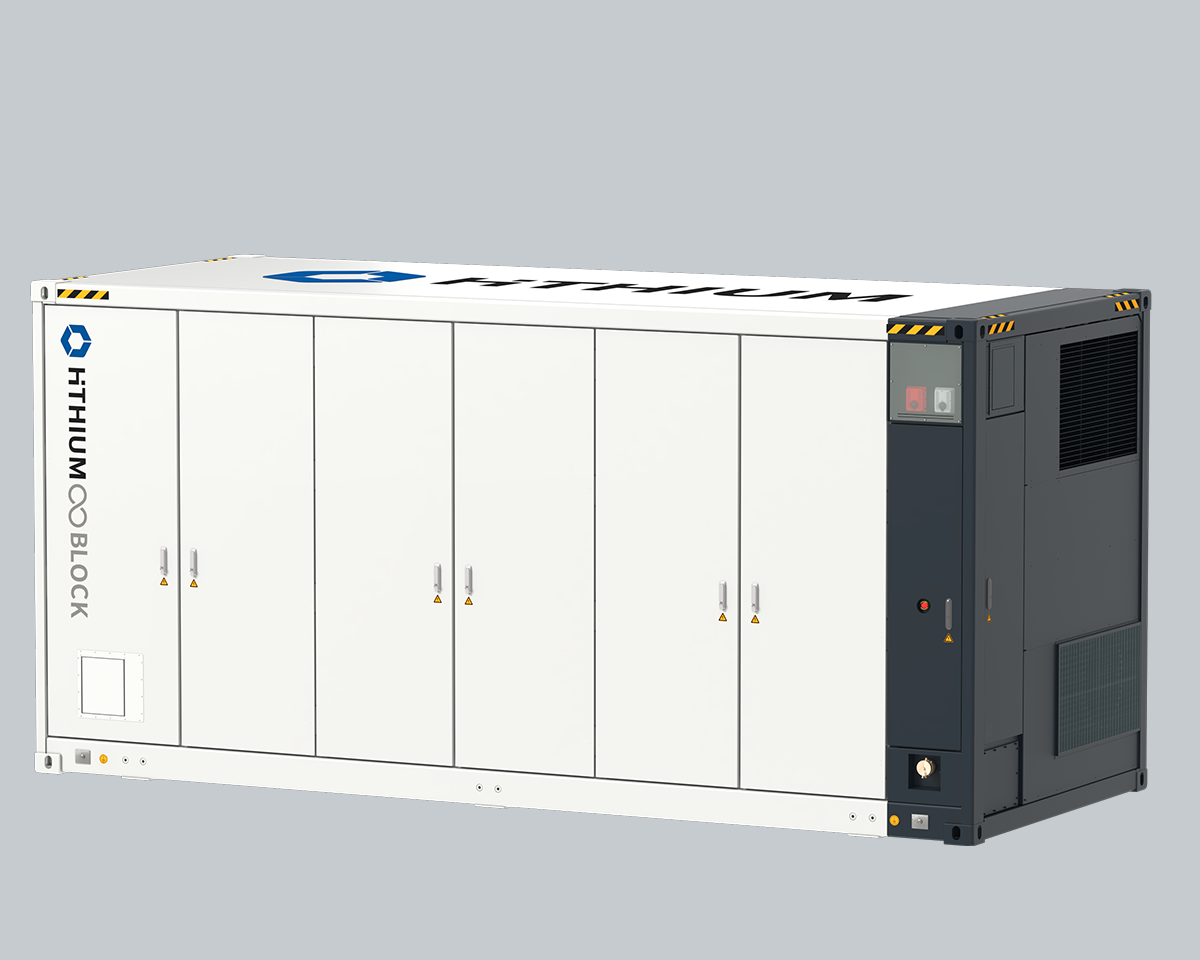
Phase 1 — Site assessment and foundations
Start with load-bearing analysis, flood and drainage mapping, and geotechnical checks. Document permissible crane lifts, clear access routes for 40–45 ft containers, and establish a secure staging area. Specify foundation types by wind and seismic zone; shallow concrete pads frequently suffice but piers or pile caps are required in soft soils or high seismic risk. Capture permit milestones and utility interconnection windows in the master schedule.
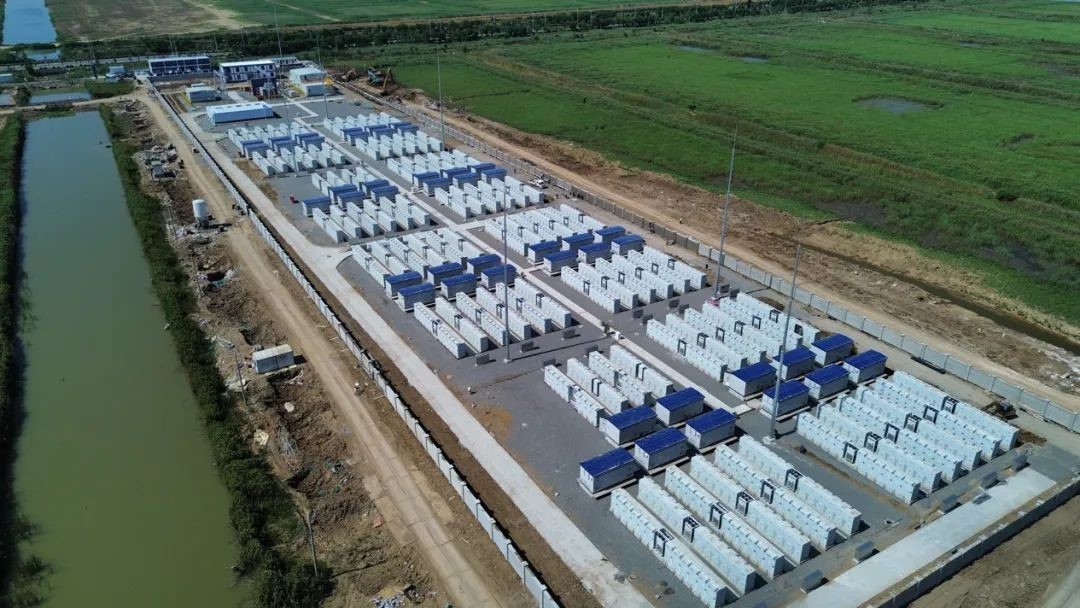
Phase 2 — Container handling and placement
Define lift plans, spreader bar requirements, and certified rigging personnel. Deliver containers with internal bracing removed on site to avoid damage. Align container interfaces to allow cable trenching and service access. Use calibrated laser levels and torque-specified anchor bolts for repeatable placement. Keep emergency egress clear at all times—this is both a safety and commissioning efficiency measure.
Phase 3 — Electrical integration and safety systems
Coordinate inverter placement, AC/DC segregation, and dedicated grounding systems with the electrical contractor. Ensure fire detection, suppression zones, and gas monitoring are integrated into the building management system. Specify grid services readiness—frequency regulation and fast response—so the control logic and telemetry match ISO/ISO-RTO requirements. Test protective relays and confirm interoperability with site SCADA before energizing the BESS.
Phase 4 — Commissioning, testing, and documentation
Commission in stages: mechanical integrity, low-voltage functional tests, followed by high-voltage energization and operational tests under simulated dispatch. Record cycle tests and thermal behavior under load to verify cooling strategy. Deliver red-line drawings, maintenance manuals, and owner training. A formal punchlist closure and a 30–90 day performance acceptance window reduce contractual disputes.
Common mistakes and practical mitigations
Contractors routinely underestimate mechanical clearances and thermal dissipation needs—plan for worst-case ambient temperatures. Cable management errors and poorly defined demarcation points cause schedule delays; pre-run cable trays and vendor-signed interface drawings mitigate this. Overlooking islanding/anti-islanding modes during testing leads to failed interconnection—run those scenarios explicitly. And coordinate spare parts and firmware revision control with the manufacturer—small items break projects.
Vendor selection and procurement strategy
Prioritize suppliers with proven containerized deployments and clear service pathways. Shortlist based on field performance—reference deployments such as Hornsdale Power Reserve in South Australia, which showed measurable grid benefits after its 2017 commissioning—and on warranty responsiveness. Include lifecycle metrics in procurement: mean time to repair, firmware support windows, and spare inventory. Where useful, evaluate multiple utility scale storage providers against identical technical criteria to reduce procurement bias.
Team roles and communication protocol
Assign a single contractor lead for site coordination, one electrical engineer as technical owner, and a commissioning manager to own acceptance tests. Establish daily stand-ups during critical lifts and weekly stakeholder reports otherwise. Use structured issue logs and an RFI cadence to limit scope creep—this saves time and prevents misinterpretation.
Advisory — Three critical evaluation metrics
1) Commissioning Reliability: measure successful full-load cycles completed within contract time without repeated firmware rollbacks. 2) Mean Time to Restore (MTTR): expect documented repairs and replacements within contracted MTTR windows; this is essential for operational availability. 3) Thermal Performance Margin: require vendors to demonstrate thermal headroom at highest ambient percentiles—this avoids derating in summer loads.
These metrics guide procurement and on-site decision-making; they translate contractual language into tangible expectations. The approach above condenses field experience into checklistable steps and helps teams avoid common pitfalls—allowing installations to meet operational targets and stakeholder commitments. HiTHIUM provides product and project details that align with these criteria — practical, not theoretical — and supports predictable outcomes. —