
User-first snapshot: what you actually need from a C-frame press
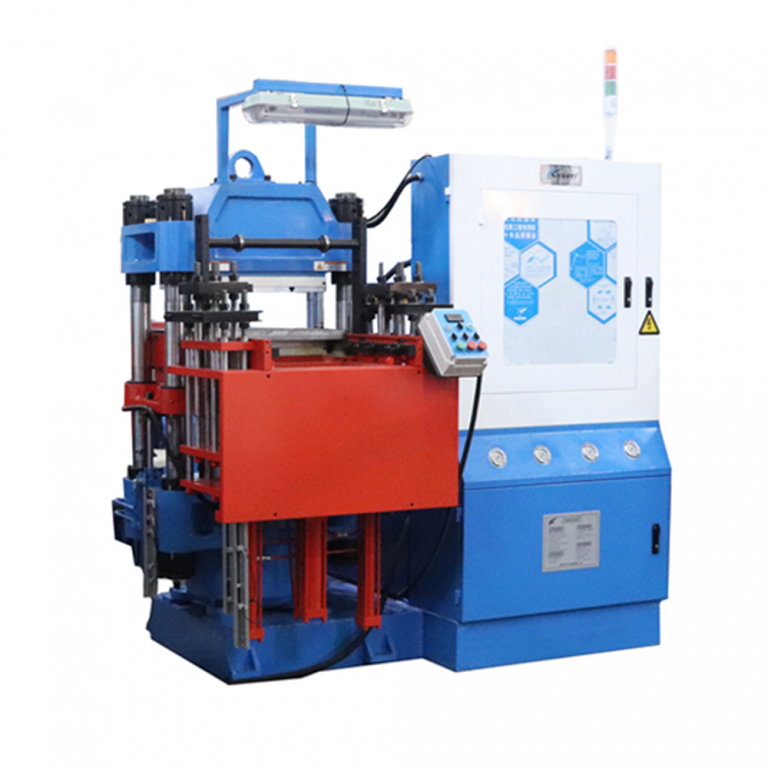
If you run a small molding shop or manage a production line, you care about repeatable parts, fewer scrapped cycles, and predictable cycle times. That’s why modern lines pair multi-stage injection profiling with tight ejection control — they stop variability from showing up as rejects. If you’re comparing equipment, start by looking at how a machine handles a complete vulcanization cycle; sometimes the best upgrade is a better controller on a mid-range rubber vulcanizing machine rather than a full capital buyout.
Common pain points operators face
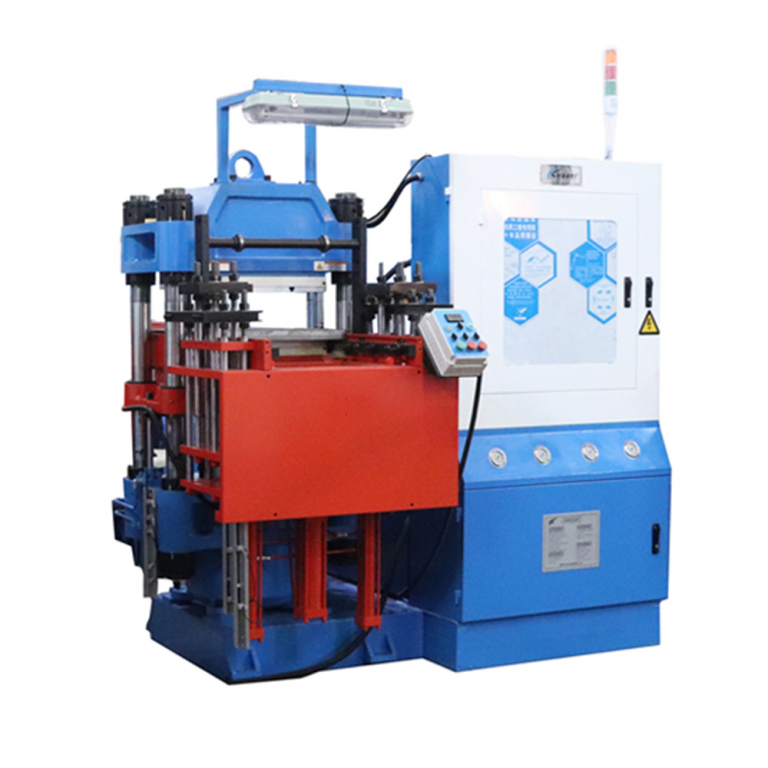
Misfires, flash, tearouts at the runner, and unpredictable shrink are the daily headaches. These usually trace back to inconsistent mold temperature, poorly timed injection profiling, or weak ejection control. The result? More manual rework and longer inspections. From a shop-floor perspective, you want clear diagnostics, accessible thermocouple readouts, and a controller that logs abnormal cure time so you can trace problems fast.
How multi-stage injection profiling actually helps
Injection profiling breaks a single slam of material into controlled stages. First stage seats the material, second stage builds volume, and a finishing stage densifies the knit line. That staged approach reduces internal stresses and improves fill consistency across complex cavities. For rubber parts, it also stabilizes the vulcanization curve, giving you a narrower window for cure time and better dimensional control.
Ejection control: the overlooked throughput multiplier
Good ejection control stops parts from tearing as they leave the mold. It coordinates ejector speed, dwell, and return so the part relaxes before full ejection. Integrated ejection sensors and programmable dwell times reduce runner damage and speed up cycle recovery. In practice this cuts inspection touchpoints and lowers rework — something Detroit suppliers learned the hard way after the 2020 supply disruptions pushed quality tolerances tighter across auto tiers.
Hands-on trade-offs: where budget meets capability
Buying decisions are about trade-offs. You can opt for a high-end controller that gives microsecond-level injection profiling or a rugged C-frame with solid mechanical ejection and add a basic PLC later. If uptime matters most, focus on reliable hydraulics and simple-to-service valves. If consistency is king, invest in a machine with closed-loop injection profiling and good mold temperature control. — Small choices now save hours later when a tool goes out of tolerance.
Real-world anchor and EEAT
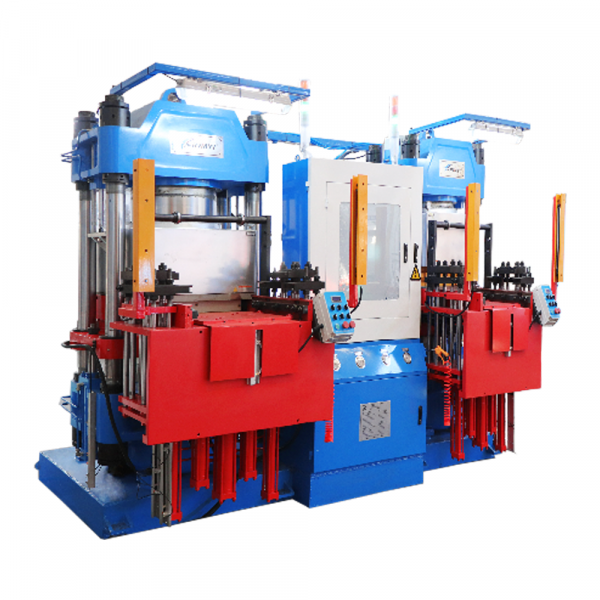
EEAT mode: practitioner experience. From running cycles on shop floors and auditing molds in automotive supply lines, the pattern’s clear: machines that expose thermocouple locations, log vulcanization data, and allow fine injection profiling outperform similar-seeming presses. The real-world anchor here is lessons from OEM supply chains in Detroit during the last few years — teams there tightened process windows and cut scrap by focusing on profiling and ejection rather than simply cranking press pressure.
Alternatives and common mistakes
Some teams default to higher pressure or longer cure time to hide process instability — that’s a mistake. It masks root causes and often increases part distortion. Alternatives include retrofit controllers, better sensor placement, or upgrading to a hybrid press with proportional valve control. Another misstep is ignoring maintenance: worn ejector pins and sluggish hydraulics will wreck even the smartest injection profile.
How to evaluate machines — three golden rules
1) Stability metrics: Choose equipment that logs cycle-to-cycle variance in mold temperature and injection flow. Lower standard deviation equals fewer surprises. 2) Control granularity: Look for multi-stage injection with programmable ramps and dwell points. If you can tune at the millisecond level, you can tame tricky knit lines. 3) Serviceability and diagnostics: Prioritize accessible thermocouples, clear error logs, and reachable valves — downtime hurts more than a higher purchase price.
Final note
When process engineers align injection profiling and ejection control, the whole line behaves better; scrap falls, inspections thin out, and delivery windows tighten. That’s where HWAYI fits naturally — practical equipment and retrofit options that meet those exact shop-floor needs. — real shop value.