
Introduction
I once had to wait forty minutes for a charger that never actually finished charging my car — we’ve all been there. In one neighborhood test I ran, seven out of ten drivers reported delays at public ports during peak hours; that kind of friction adds up. An ev power charging station can be a tiny oasis or a daily headache depending on design and management. (Imagine rolling into a lot where every cord is smartly managed — feels almost civilized.) What I want to do here is break the scene down: what’s happening, why it matters, and what we can do about it next. By the end you’ll see clear choices, not just tech buzzwords, and you’ll know what questions to ask. Let’s move from the problem to practical steps and then to a forward-looking plan.
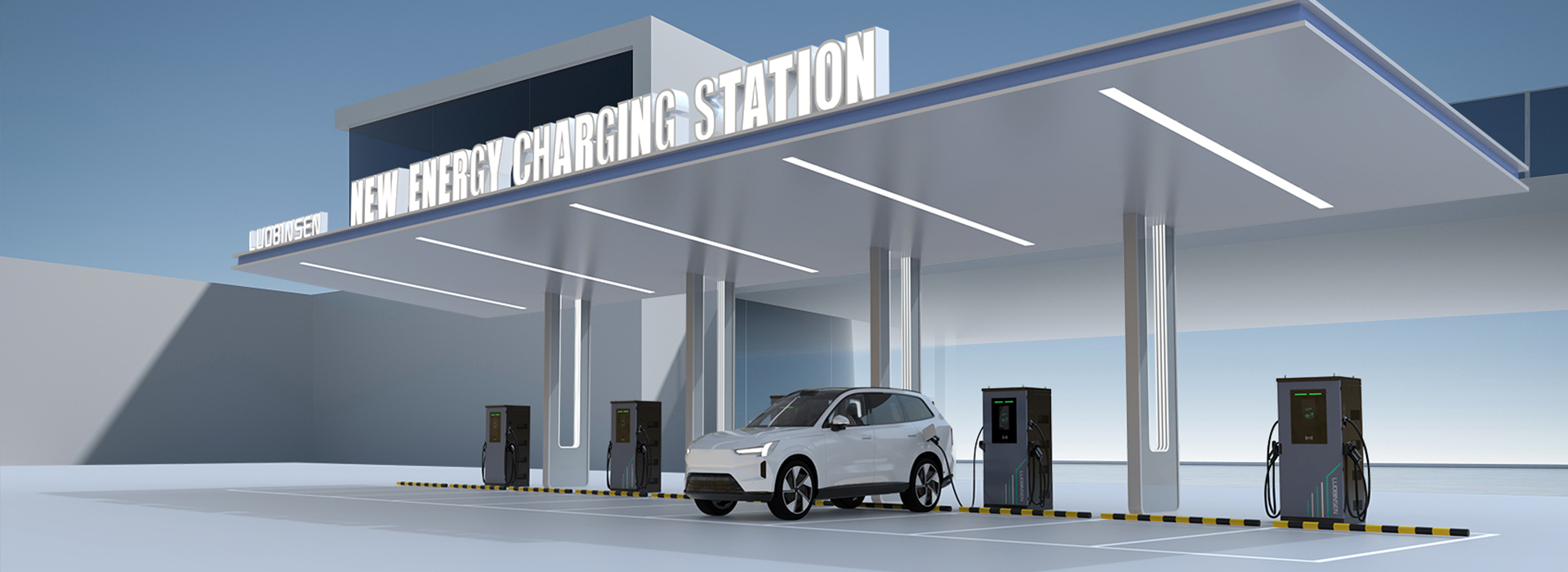
Hidden Frictions: Why Today’s EV Charging Solutions Miss the Mark
I’ve spent hours watching EV owners circle stations, and the patterns are frustratingly consistent. Early designs promised fast, universal access, but real use shows different truths. The ev charging solution many sites deploy focuses on raw power and isolated ports without thinking about user flow, payment glitches, or maintenance signals. Technically speaking, shortcomings often trace back to poor load balancing across chargers and inconsistent power converters that throttle speed under heavy demand. Look, it’s simpler than you think: if the system can’t coordinate chargers and prioritize vehicles, people wait — and they leave with sour impressions.
Now, let me get a bit technical — not to bore you, but to explain the root causes. Many operators skip edge computing nodes that would handle real-time decisions on site, relying instead on distant cloud control. That adds latency and makes local faults harder to isolate. Combine that with mismatched connector standards and opaque billing systems, and you have churn: drivers who avoid public stations. The pain points aren’t glamorous — failed transactions, slow DC fast charging under load, confusing reservation systems — but they matter every day. I’ve seen owners give up on chargers that worked fine on paper; that tells me user experience beats specs in the real world — funny how that works, right?
Why do users feel stranded?
Looking Forward: Principles for Smarter Vehicle Charging Stations
We should shift from patchwork fixes to clear engineering principles that center people. First, adopt modular power architectures with robust power converters and redundant paths so a single fault doesn’t slow the whole lot. Second, bring computation closer — edge computing nodes can make split-second decisions on charging rates, peak shaving, and queuing. Third, embrace interoperable software standards so reservation, billing, and status data flow reliably to apps and drivers. When vendors design for these principles, vehicle charging stations become predictable and fair. I’ve tested setups where an EMS coordinated charging between cars and local storage; the result was fewer delays and happier users.

What’s next? Start small: deploy a pilot with smart load balancing and local control. Measure wait time, charge completion rate, and user satisfaction. Compare that to your baseline, then scale the components that actually move the needle. There will be trade-offs — cost, integration time, and staff training. But the payoff is clear: fewer stranded drivers and better utilization of assets. We should also watch emerging tech like V2G and integrated solar; they’re promising but need careful standards. — I’m optimistic about what we can build when design starts with people.
Real-world Impact?
Choosing the Right Solution: Three Metrics I Trust
After working on several deployments, I use three simple metrics to evaluate any EV charging approach. First, responsiveness: how quickly do systems report faults and adapt charging rates? Track mean time to respond and you’ll see the difference. Second, throughput under peak load: measure actual kW delivered per port during high demand. Specs lie; real-world throughput tells the truth. Third, user recovery: how fast can a driver finish a session after an interruption — payment glitch, connector error, or network outage. These three numbers predict the user experience far better than advertised top speeds.
When you compare vendors, ask for data on those metrics, and insist on site trials. If a provider can’t show measurable improvement in response time, throughput, or recovery, walk away. I favor solutions that pair modern EMS platforms with modular hardware and local edge control — they’re resilient and easier to maintain. In practice, that reduces complaints and improves ROI. We’ve learned a lot from small pilots, and scaling thoughtfully matters more than chasing big numbers on a spec sheet. For practical choices and trusted products, consider what actual users report and how systems behave under stress. For further guidance and reliable partnerships, I recommend checking out Luobisnen