
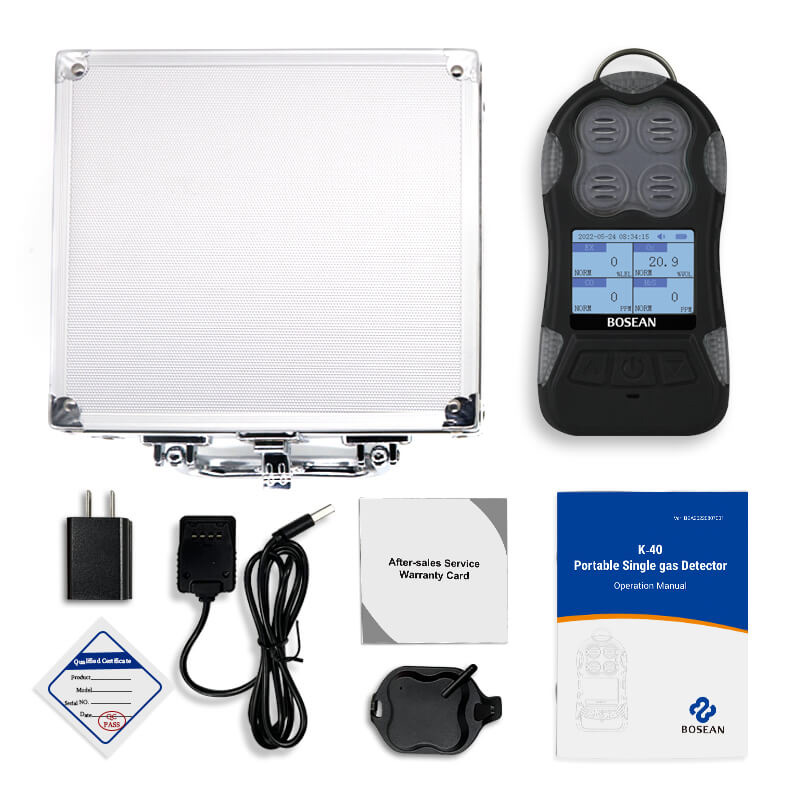
A project team checklist for assessing Gas Detection Control Panel through system compatibility procurement handoff
Start with the operating context
A gas detection control panel should be assessed as part of a wider operating arrangement, not as an isolated catalogue term. During a procurement handoff, operations teams need to connect the proposed equipment with the intended detectors, alarms, power arrangements, communications, enclosure conditions, and control responsibilities. The first task is therefore to describe the operating context in plain terms. Record where the equipment is expected to function, what other systems may exchange signals with it, and which party will define each interface.
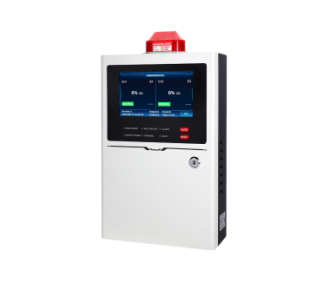
This initial description does not need to assume a particular product or configuration. It creates a reference point for later discussions. A project team can separate confirmed requirements from items still under review, such as the number and type of detector inputs, the preferred alarm indications, the required output signals, and any connection to a wider monitoring or control system. These are procurement questions rather than conclusions about a supplier’s equipment.
A useful handoff record also identifies the people who will use the information. Operations may focus on daily visibility and alarms. Engineering may focus on interfaces and design constraints. Procurement may need clear wording for the enquiry. Installation and commissioning teams may need connection information and responsibility boundaries. Keeping these perspectives together reduces the risk that a broad product label is treated as a complete technical requirement.
Separate compatibility questions from product names
Compatibility is easier to discuss when it is broken into specific questions. Ask what signals must enter the panel, what signals must leave it, and which system owns the decision at each point. Then record the expected communication method, electrical assumptions, physical arrangement, and any required accessories as separate fields. If a requirement is not yet defined, mark it as open rather than filling the gap with a general assumption.
The same method applies to responsibility. A supplier may provide equipment information, while the project team or another contractor may define the overall system architecture. Those roles should not be blended in the procurement record. A clear responsibility map can show who specifies detector compatibility, who designs cable routes, who confirms interface requirements, and who accepts the completed arrangement. This is a planning tool, not evidence that any particular supplier performs those activities.
It is also helpful to distinguish three kinds of statement: a project requirement, a question for the supplier, and a fact taken from a source page. For example, “the system must exchange a defined signal with the building control system” is a project requirement if the project establishes it. “Which interface options are available for the proposed configuration?” is a supplier question. Neither statement should be rewritten as a product specification without supporting evidence.
Use page-level evidence carefully
For this review, the gas detection control panel page provides a limited but useful catalogue anchor. The Bosean page lists BH-50, S-8000, BH-50 touchscreen, and BH-KZ gas-control products. That listing supports the observation that several named items appear within the category, but it does not by itself establish their certifications, site suitability, performance, configuration details, or role in a complete installation.
This distinction matters during a procurement handoff. A model name can be placed in a candidate list, while the project requirement remains expressed separately. The team can then compare the evidence available for each stated need without transferring a feature from one model to another. A simple comparison table might include the requirement, the exact source location, the model or scope to which it applies, the project decision it informs, and the question that remains open.
Use one row for each meaningful requirement rather than creating a single overall score too early. Rows might cover input arrangements, output expectations, physical constraints, communications, documentation, and ownership of the interface. The evidence column should describe what the source actually says. The decision column should explain whether the information is sufficient for the current handoff stage. This keeps a category listing from being mistaken for a complete technical submission.
Prepare the next technical discussion
Before the next meeting, turn the comparison into a short agenda. Begin with the operating context and the boundaries of the proposed system. Follow with the interfaces that need agreement. Then review the evidence attached to each candidate and identify the questions that affect procurement wording. This sequence helps the discussion move from a broad category to a defined set of technical topics without pretending that unresolved points have already been answered.
The output should be a controlled decision record. It can contain the requirement, the source or owner, the current status, and the action needed next. Keep commercial comparisons separate from technical compatibility unless the project has defined a basis for comparing them. Likewise, avoid describing an item as suitable for the site merely because its name appears in a relevant category. Suitability depends on the requirements and evidence within the project scope.
In practical terms, a sound review asks whether the handoff preserves context, scope, and responsibility. It uses catalogue information as a bounded input, not as a substitute for system design. The category and model names published by Bosean can support an initial product discussion, while the project team retains responsibility for defining the requirements and recording which points need further technical agreement.