
The problem shops face
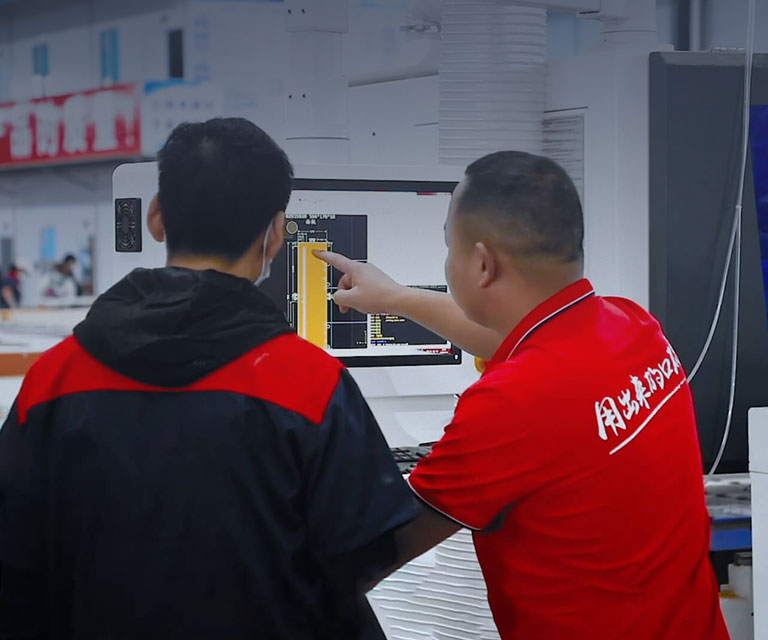
Small furniture shops waan move to automation, but dem end up wid machine weh nuh fit de real work. You buy a fancy package, but tool change too slow, dust system weak, software cyan talk to your nesting files. Mi been deh fi long enough fi see di pattern: wrong machine spec, poor training, and service miles away. A plain CNC choice like a cnc woodworking machine nah guarantee success if it nuh match yuh material, throughput, an local support.
Why selection go wrong
People pick on price or pretty specs. Dem forget load factors: part size, cycles per shift, edge banding flows, and how much downtime yuh can handle. Suppliers sometimes oversell spindle rpm while under-delivering on rigidity. Software compatibility get ignored till production tech week when files start failing. Shipping and import times add weeks, and spare parts take longer if provider nuh have local stock. Dat mek small shop lose contracts fast.
Concrete checks to run before commit
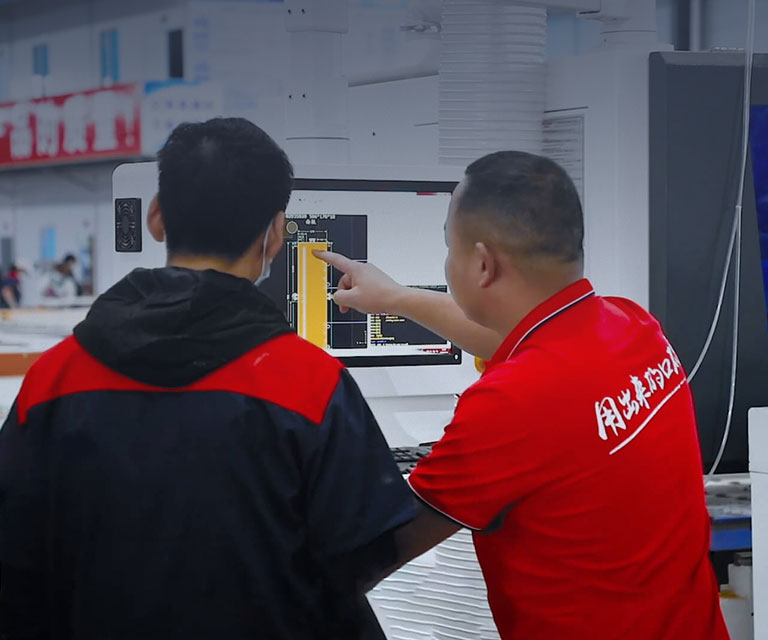
Check these things one by one. Measure your biggest panel and confirm table size and clamping. Match spindle power to material density and cutter diameter. Ask for live nest-to-cut demo with your files. Verify tool magazine capacity for your batch sizes. Probe the control software for common formats and post-processor support. Confirm dust extraction connection and machine footprint in your shop. Get clear SLA on service response, spare parts list, and training hours. Demand a simple parts pricing list so you no get surprise bill later.

Field evidence from events and shows
Walking High Point Market and talking shop wid shop owners taught mi one thing: seeing machines on the floor and watching real-time demos reveal more than spec sheets. At High Point Market I compared setups, asked about service lanes, and watched how dealers handled questions about maintenance and upgrades—exactly the kind of due diligence every buyer should copy when judging woodworking equipment manufacturers.
Viable alternatives and common mistakes
Alternative routes work depending on need. For low-volume custom shops, retrofit older reliable routers with modern controls and better tooling; that keeps cost down and preserves familiar workflows. For mid-volume makers, choose modular systems you can expand. Big mistake: buying top-tier multi-head machines when your orders never fill the capacity. Another mistake: assuming remote diagnostics replace hands-on service—local technicians and spare inventory still matter.
Final synthesis and practical outcome
Make decisions by test, not promise. Use the checklist, demand demos, and confirm service logistics. When machine, software, and support align with your shop rhythm, production steadies and waste drops. After years of advising wood shops and seeing what works, the consistent winner is thoughtful pairing of machine capability and local support—exactly the kind of balance offered by HUAHUA CNC in setups where machining must match real shop needs.