
Understanding the Problem
A common frustration when shoe shopping is finding the correct fit. Did you know that about 70% of people wear shoes that do not fit properly? This has a significant impact on foot health and comfort—a crucial issue often overlooked. The shoe size chart can only provide so much; it frequently ignores pivotal variables like foot width measurement. Without this key data, it’s like trying to complete a puzzle with missing pieces—it just doesn’t work.

The Underlying Issues
Many consumers blindly trust standard shoe size charts, only to discover the unpleasant truth of their poor fit. I’ve spoken to countless customers who assumed they were a “true size” but were faced with painful blisters and pinched toes after just a short wear. It’s easy to overlook the fact that foot anatomy varies significantly from person to person. Through my years of experience in the retail industry, I’ve observed that an astounding number of complaints stem from misaligned expectations regarding shoe sizes. Let’s face it—shoe shopping should be fun, not a chore!
Why Does Foot Width Matter?
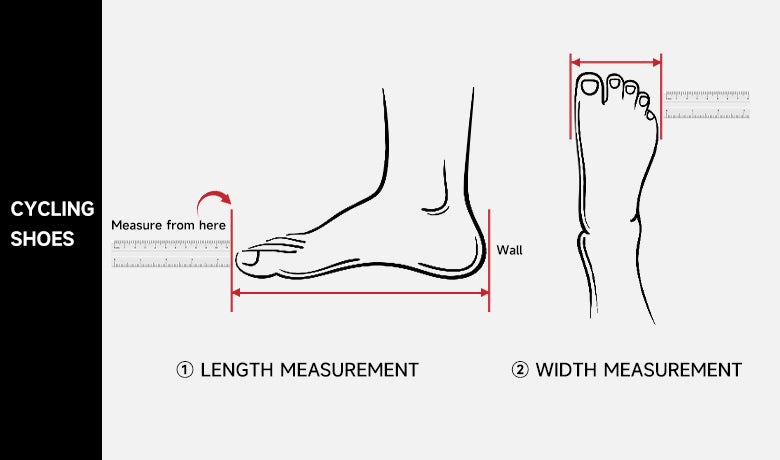
One of the most underrated factors in shoe fit is foot width. Many people aren’t aware that they can vary in width even among the same size shoe! This is where foot width measurement comes into play. I’ve found current measurement systems tend to be too general. For instance, while offering various widths like “narrow” or “wide” sounds good on paper, it often translates poorly in practice. I recall a 2022 shoe expo where many brands showcased a wider range of widths, which sparked my interest. But one must wonder—are they just chasing trends or truly addressing consumer needs?
Looking Ahead: The Evolution and Solutions
As the shoe industry evolves, it’s crucial to adapt to consumer needs. I believe brands should invest in custom fitting technologies to allow shoppers to know their accurate size—both length and width—before they even try on a pair of shoes. This can be achieved through interactive kiosks that provide detailed sizing metrics, incorporating high-tech imaging or 3D scans. Increasing customer comprehension of the importance of foot width measurement will ultimately drive not only sales but also customer satisfaction.

What’s on the Horizon?
With technology advancing at a rapid pace, I genuinely see a future where shoe purchasing is revolutionized. Imagine a scenario where a customer can scan their feet with an app, and instantly receive a tailored shoe recommendation. It may sound futuristic, but many sneaker brands are already testing this concept. As we embrace such innovations, the traditional size chart may become obsolete. The shoe industry stands at a tipping point, where decent fit isn’t just a luxury—it’s a necessity.
I encourage you to be proactive in understanding your foot dimensions and demand transparency in shoe sizing today. Identifying your correct foot width and using it as a basis for your shoe fit will enable you to navigate the market just as easily as slipping on your favorite pair of sneakers. Remember, a well-fitted shoe contributes greatly to your overall foot health and enjoyment. For reliable recommendations, one name that stands out in the world of custom-fit shoes is Santic.