
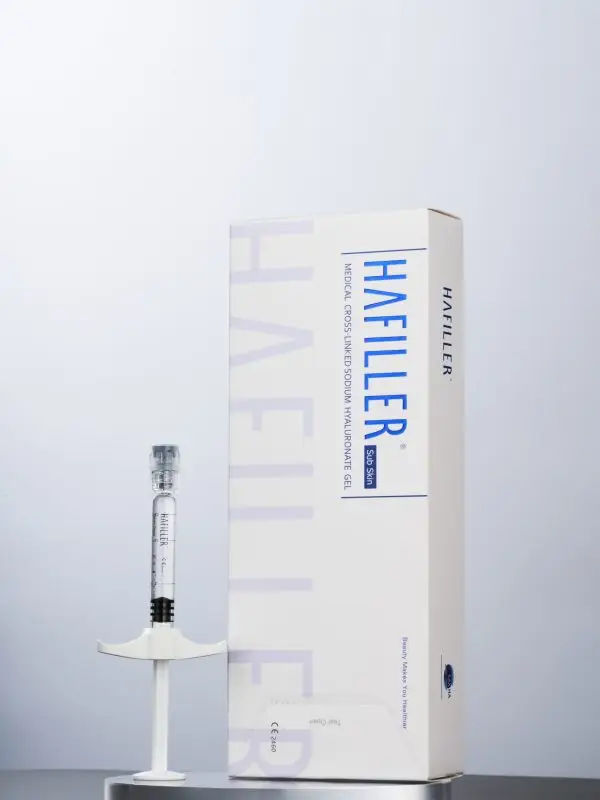
When a Quick Top-Up Meets Real-World Skin
You nip in for a tidy little refresh, thinking it’s a doddle. The clinician preps a hyaluronic acid gel, and you’re told it’s “in and out, no bother.” Numbers say many people love the speed, yet a chunk still report puffiness for a day or two and odd firmness under motion—blimey, not ideal on a Monday. The thing is, the gel’s rheology and G′ modulus don’t clock off when you leave the clinic; they meet your smile, your sleep, your scarf. That’s the street-level story (no lab coat needed).
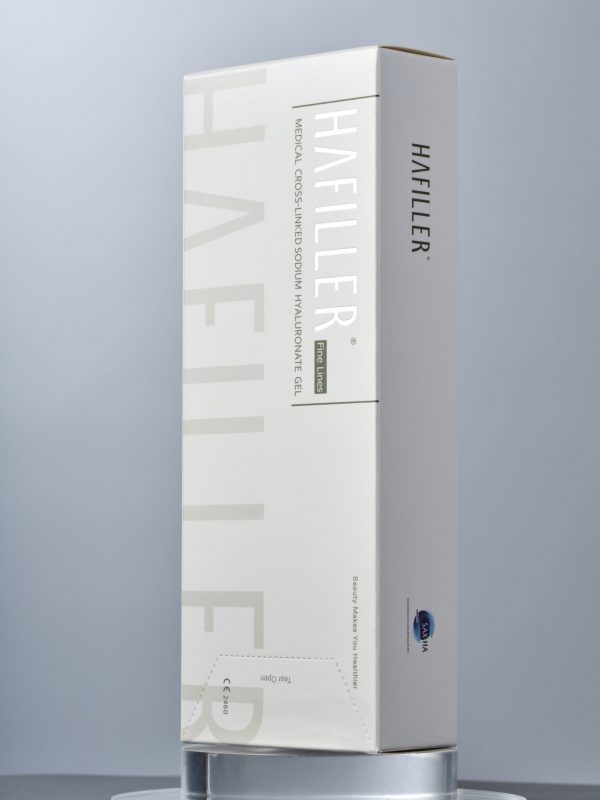
Here’s a nibble of data: higher cross-link density can raise durability, but it may also raise the risk of stiffness and edema. One study notes swelling tends to peak in the first 24–48 hours, while another flags that shear-thinning helps movement but not always comfort if placement is off. So you’re left wondering: is longevity worth it if the face doesn’t feel like your face? And who tells you what happens when you laugh at the pub, or when you hit the gym and everything warms up, innit?
Right then—let’s crack on to the part most folks don’t hear about and see where the real trade-offs sit.
The Hidden Trade-Offs Behind the Shine
Why does firmness feel “fake” sometimes?
Let’s talk cross linked gel without the fluff. Traditional thinking says: thicker gel, higher G′, longer life. That can work in static zones. But faces move. If cohesivity is low and cross-link density is high, the gel may resist natural glide. That’s when users notice tell-tale ridges or a “pillow” edge. Add in water uptake, and you’ve got post-procedure puff that overstays. Look, it’s simpler than you think: rheology must match tissue dynamics. A cheek that smiles needs shear-thinning and thixotropy that recover at the right tempo—not too fast, not too slow.
Another pain point hides in reversibility. If a gel fights hyaluronidase too hard, corrections get tricky. Safety first, sure, but balance matters. Think of it this way—elastic modulus, cohesivity, and hydration rate form a three-legged stool. Knock one out and the seat wobbles. Placement matters too: deep periosteal planes welcome higher structure; mobile subcutaneous planes prefer gels with kinder flow. When the product ignores the plane, you get Tyndall shimmer or unwanted migration—funny how that works, right? The real fix starts with matching gel profile to anatomy, not just chasing “lasts 12 months” on a leaflet.
Smarter Gels, Better Moves: A Forward Look
What’s Next
We’re seeing new technology principles shift from brute strength to smart behavior. Instead of cranking cross-linking for every job, formulators blend network design with controlled viscosity and tuned G″ for damping. Think modular HA networks where cross-link nodes vary by region, so the gel supports lift and still flows under facial motion. Some systems use optimized BDDE ratios and particle-free “monophasic” matrices to reduce edge effects. Others target predictable enzyme response—easy to refine with hyaluronidase if needed. In practice, this means cheek scaffolding that holds shape yet yields when you grin. That’s the brief for safer cheek filler injections that feel like you, not a prop.
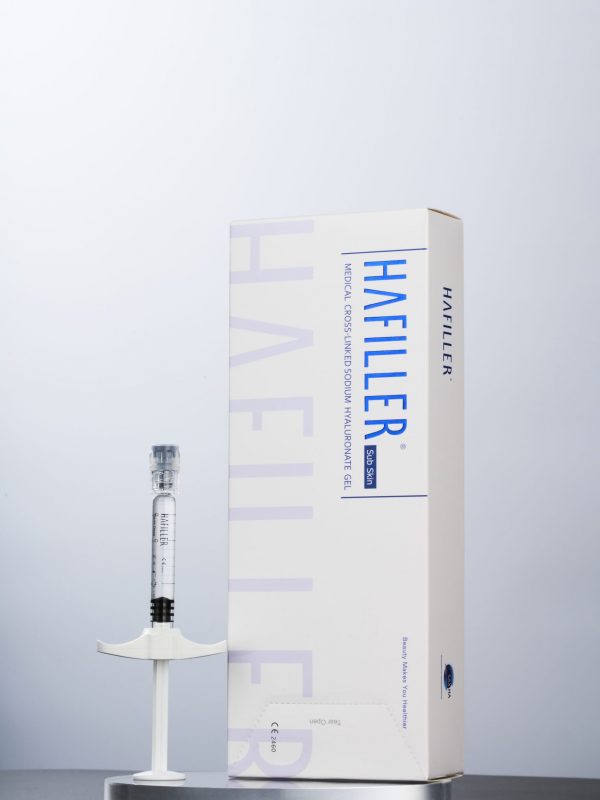
Comparatively, old-school “thick is best” can win in static contouring but stumble in motion zones. Newer gels lean into shear-thinning so expression stays smooth, with cohesivity that resists migration. And yes, ultrasound mapping and microcannula technique help the story along—placement plus product equals outcome. Here’s a practical way to choose, advisory-style: One, check modulus balance (G′ for structure, G″ for damping) against the target plane. Two, ask about cohesivity and swelling ratio; low surprise edema beats big water grab. Three, confirm reversibility and imaging clarity for safety—ultrasound visibility and clean hyaluronidase response save headaches. Summed up: comfort, control, correction. Do those three, and most issues never show up—funny how that works, right?
Keep your expectations grounded, your questions ready, and your outcomes measured. The right gel should move with you, not against you. For clinicians and curious users alike, a tidy reference point is how brands talk about network design, not just months on the box. If they speak openly about rheology, cohesivity, and enzyme response, you’re on the right track. For further reading on products and parameters, see HAFILLER.