
Introduction: A Rainy Plaza, A Tight Clock, and a Big Question
Picture this: a city plaza, wet cables, and a countdown to showtime. We’re the crew that often works with an outdoor laser projector manufacturer, and the call comes in late—wind gusts hit 25 mph (yes, in the rain). Data says most outdoor show overruns come from two things: power rework and last‑minute aiming. Yet audiences don’t care about that. They just want crisp beams and tight cues—funny how that works, right? Here’s the question that keeps coming up: in rough weather and bright urban light, is a compact laser better than stacking extra fixtures? Let’s dig in and see what really holds up when the plaza floor is slick and the timeline is not.
Part 2: The Hidden Flaws in Traditional Rigs
What’s the hidden bottleneck?
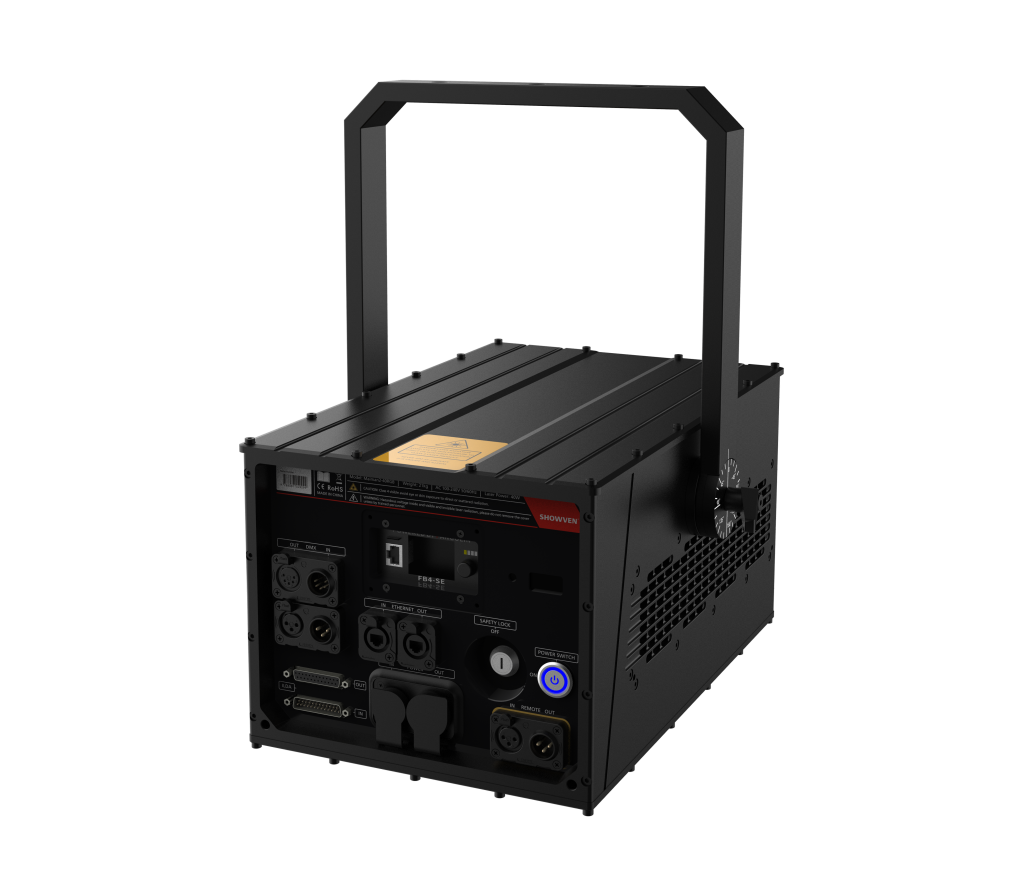
The 40w laser light stands out because it solves a very old problem: waste. Legacy outdoor rigs push more wattage, but much of it vanishes due to beam divergence, fog drift, and poor thermal management. Traditional moving heads rely on broad sources and oversized lenses; in outdoor air, that widens the footprint and washes the impact. Lasers, driven by galvanometer scanners and tight optics, keep energy where it matters. Look, it’s simpler than you think—high optical efficiency beats brute power. Add an IP65 enclosure, sealed connectors, and stable power converters, and your team spends less time drying panels and more time aligning cues.
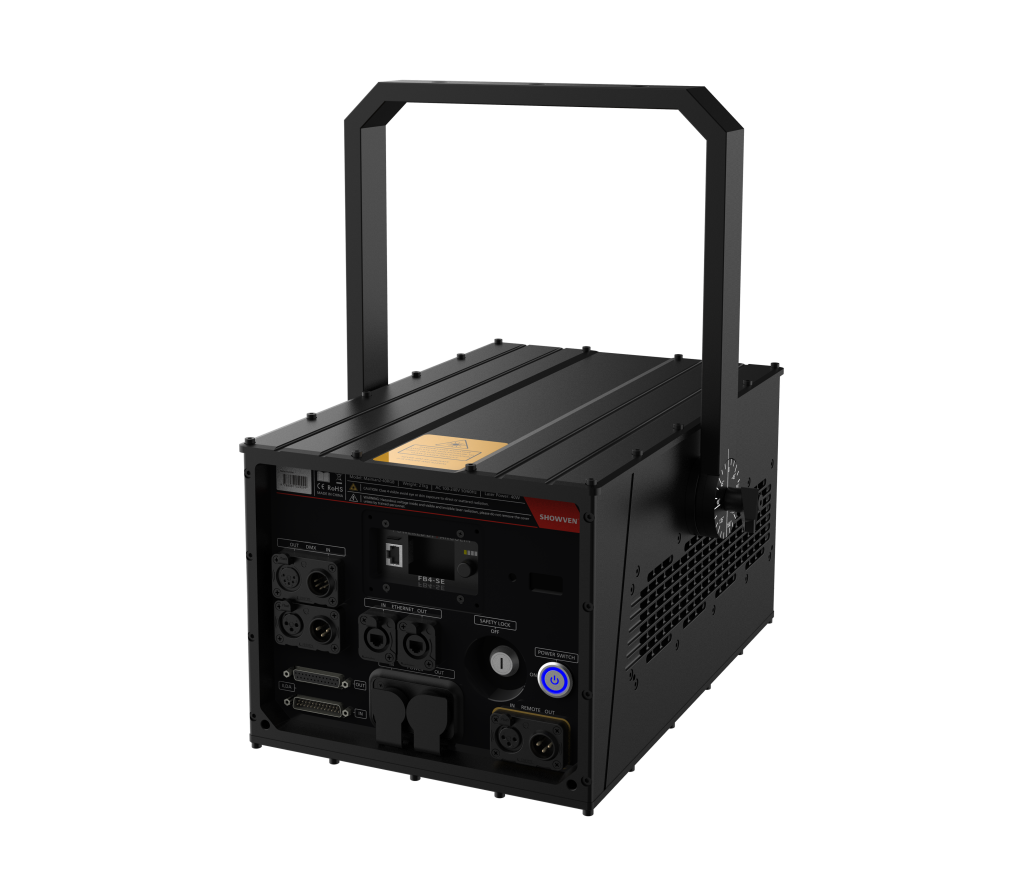
Older setups also stumble under bright facades and LED billboards. Boosting lumens helps indoors. Outside, it mostly feeds the sky. A 40W unit with controlled beam geometry cuts through ambient light without ballooning the power budget. That means fewer generators, fewer voltage drops, and steadier control over DMX/Art‑Net timing. The net effect is fewer show resets and less drift after the first hour. And when gusts rise, compact heads with balanced heat sinks ride the shake better than big glass assemblies—less inertia means fewer jitter artifacts at the scanners. The pain point wasn’t only output. It was stability under real weather and real crowds.
Part 3: Comparative Insight—Principles That Change the Night
What’s Next
From a forward‑looking angle, the difference is in how the light is formed and driven. New laser engines use precise modulation, pulse shaping, and closed‑loop feedback on the scanners. That gives you consistent beam profiles at distance, even as air temperature shifts. Edge computing nodes inside the fixture handle micro‑corrections on the fly (tiny offsets, big gains). Pair that with FPGA‑based timing and better interlocks, and you get repeatable frames at speed. In practice, a well‑tuned unit lets a laser light show outdoor keep sync across zones without chasing gremlins in the network—fewer retries, tighter arcs.
Now compare that to stacking more output on conventional heads. You add mass, heat, and power draw, then fight it back with bigger fans and heavier brackets. The 40W path changes the math: higher optical efficiency, lower beam spread, and less load on your truss. Even the little things matter—sealed bearings, better cable glands, smarter safety shutters. Maintenance windows shrink, and your crew can focus on creative timing instead of drying connectors— and yes, your crew will thank you. The result is a stable canvas for patterns, sky writing, and crisp logos that actually read at distance instead of smearing in haze.
Closing: How to Choose What Works in the Field
Here’s a simple way to evaluate options when pressure is on. First, measure optical efficiency at target distance, not just wattage on paper; include beam divergence and scan rate under load. Second, check environmental resilience: IP rating, sealing at connectors, and thermal design that keeps performance steady after an hour. Third, validate control reliability: clean DMX/Art‑Net behavior, onboard diagnostics, and fail‑safe interlocks that recover fast. If a fixture checks these boxes, you’ll see fewer delays, tighter cues, and lower fuel burn. The lesson from the plaza is clear: stability beats raw power when the weather turns and the clock runs. For more technical context, start with the spec sheet, then walk the site at show time. The right 40W unit feels quiet in the workflow—because the drama stays on the skyline, not in the rack. Learn more at Showven Laser.