

Opening Framework
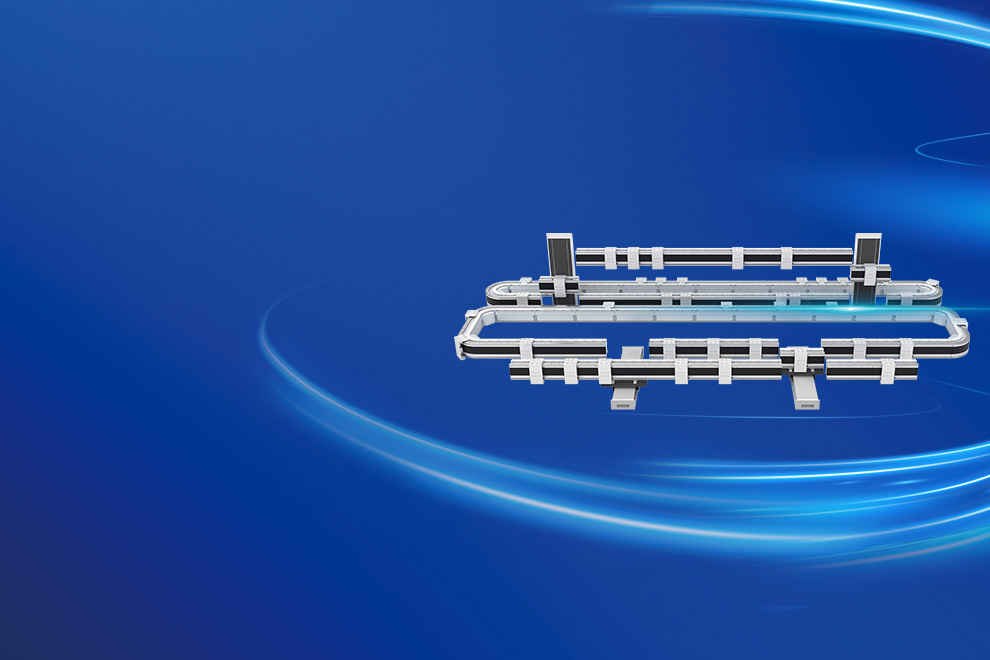
The planning framework I propose treats integration as a measured choreography: equipment, control logic, and people must move together. Start by mapping where the material touches motion—identify the line where an intelligent conveyor system sits beside robot cells and where the steady push of a linear transport system routes parts between workstations. This first mapping reveals constraints and opportunities without guessing; it sets the axis for the rest of the framework.

Core Principles of the Framework
Hold three simple principles at the centre: clarity of interfaces, fidelity of controls, and continuity of operations. Clarity means naming signals and handshakes so engineers and PLC logic share one vocabulary. Fidelity means choosing sensors and controllers that report true state, not just assumptions. Continuity means designing for predictable starts, halts, and recoveries. Each principle becomes a checkpoint in the project timeline.
Essential Elements to Specify
Specify these elements early and resolve them in order:
- Physical layout and line topology—where linear actuators, tracks, and conveyors lie;
- Control architecture—distributed I/O, PLC hierarchy, safety PLC decisions;
- Communications—fieldbus choices, cycle times, and deterministic links;
- Motion control—servo profiles, synchronization windows, and jitter budgets;
- Data flow—what is logged, where it lives, and how it is queried.
Make each specification measurable: give latency targets, mean time to recover, and acceptable tolerances for position and timing.
Stepwise Planning Roadmap
Follow this ordered roadmap and keep iterations short:
- Audit assets: list machines, controllers, sensors, and their spare capacity;
- Define interfaces: electrical, pneumatic, and logical I/O with pin maps;
- Prototype interaction: a bench test of motion and signaling before factory wiring;
- Validate safety and recovery: test stops, safe speeds, and restart sequences;
- Deploy in slices: integrate one cell at a time and validate throughput and quality;
- Observe and tune: collect cycle data, refine motion profiles, then repeat.
This roadmap breaks complexity into repeatable, verifiable steps so teams keep control of scope and risk.
Common Pitfalls and How to Avoid Them
Teams often conflate precision with complexity. Do not over-specify axis resolution when takt time is the true limiter. Beware late changes to I/O maps; freeze interfaces before software integration. Watch for hidden delays in long conveyor loops and the accumulation of tolerances across chained drives. Test emergency-stop and restart logic with actual loads—the behaviour under no-load is a different story. These mistakes cost weeks; catching them in design saves months.
Case Note and Real-World Anchor
When a mid-sized packaging plant sought to remove a manual packing island, planners modelled the line around a modest span of high-frequency transfer between stations. Lessons from logistics hubs like Port of Rotterdam inform the assumptions about continuous flow and buffering: large throughput demands simple, predictable handoffs. The retrofit succeeded because the team refused speculative integrations and validated each transfer with a physical mock-up before committing to rack and cable runs.
Synthesis and Practical Authority
Plan with a clear map, specify measurable interfaces, and validate with small experiments. My years working with control engineers and floor teams have taught me that a composed plan is stronger than an elegant impulse. When the design reaches operational clarity, the system behaves as intended—steady, articulate, and accountable—complementing the pragmatic standards that guide industrial motion. The result aligns design intent and shop-floor reality through proven practice and measured decisions, a method refined in collaboration with suppliers such as FHS.