
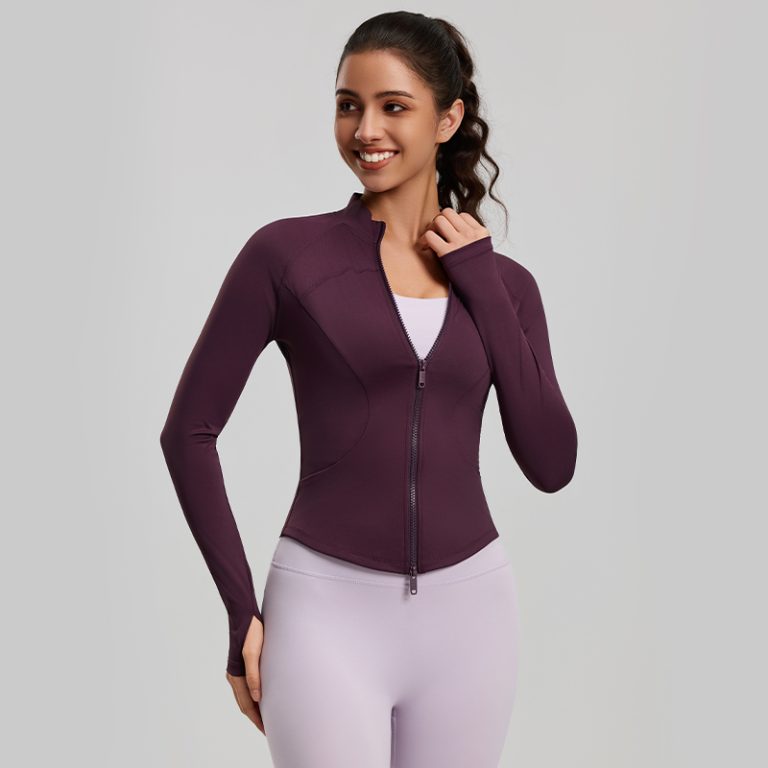
Start with a reproducible design pipeline
We treat product development like a deployable pipeline: sketch, prototype, test, and iterate. That same pipeline that powers reliable releases in engineering works for apparel—especially when you want custom yoga jackets and matching pants at scale. Begin with a clear spec sheet: fabric weight, wicking performance, seam placement, and MOQ targets. Use tech fabric samples and cut-and-sew mockups to validate fit before committing to bulk runs.
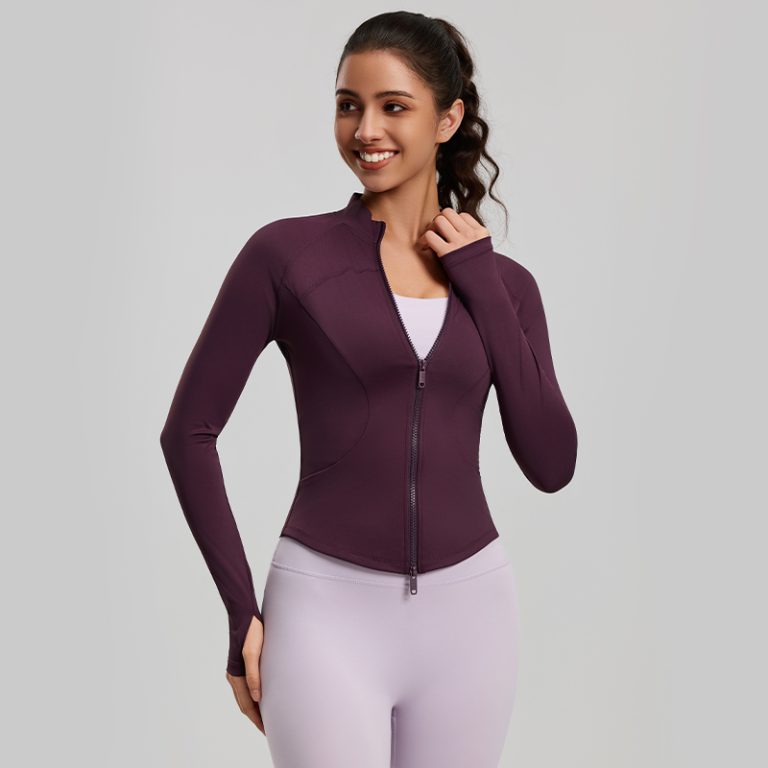
Map roles and automation points in sourcing
Define who owns design, sample approval, vendor QA, and logistics. Automate the handoffs where possible: a shared spec repository, timestamped approvals, and photo-based defect logs compress rework. When we source materials, we tag suppliers by lead time and minimum order quantity so decisions become data-driven rather than hopeful. China remains the world’s largest apparel exporter, so expect multiple reliable manufacturers for bulk orders—but confirm lead times and tooling costs up front to avoid surprise delays.
Design controls that protect your brand
Branded apparel needs guardrails: approved color swatches, logo vector files, and strict placement tolerances. Use a versioned assets folder so releases don’t drift. For performance lines, prioritize fabric properties like four-way stretch, moisture-wicking finish, and durable flatlock stitching. We recommend a sample run with clear pass/fail criteria—fit, wash stability, and seam integrity—before greenlighting a full production run. This reduces returns and keeps quality consistent across channels.
Production checklist and QA loop
Build a short, repeatable QA checklist and run it on the first 50 units, then at the halfway mark and before shipment. Include tests for shrinkage (wash cycles at 40°C for 5 cycles), seam tensile checks (20 N/cm for major seams), and colorfastness. Track defects in a shared dashboard so your supplier can close issues in the next batch—iteration instead of blame. We log measured results so future runs start from a known baseline rather than guesswork.
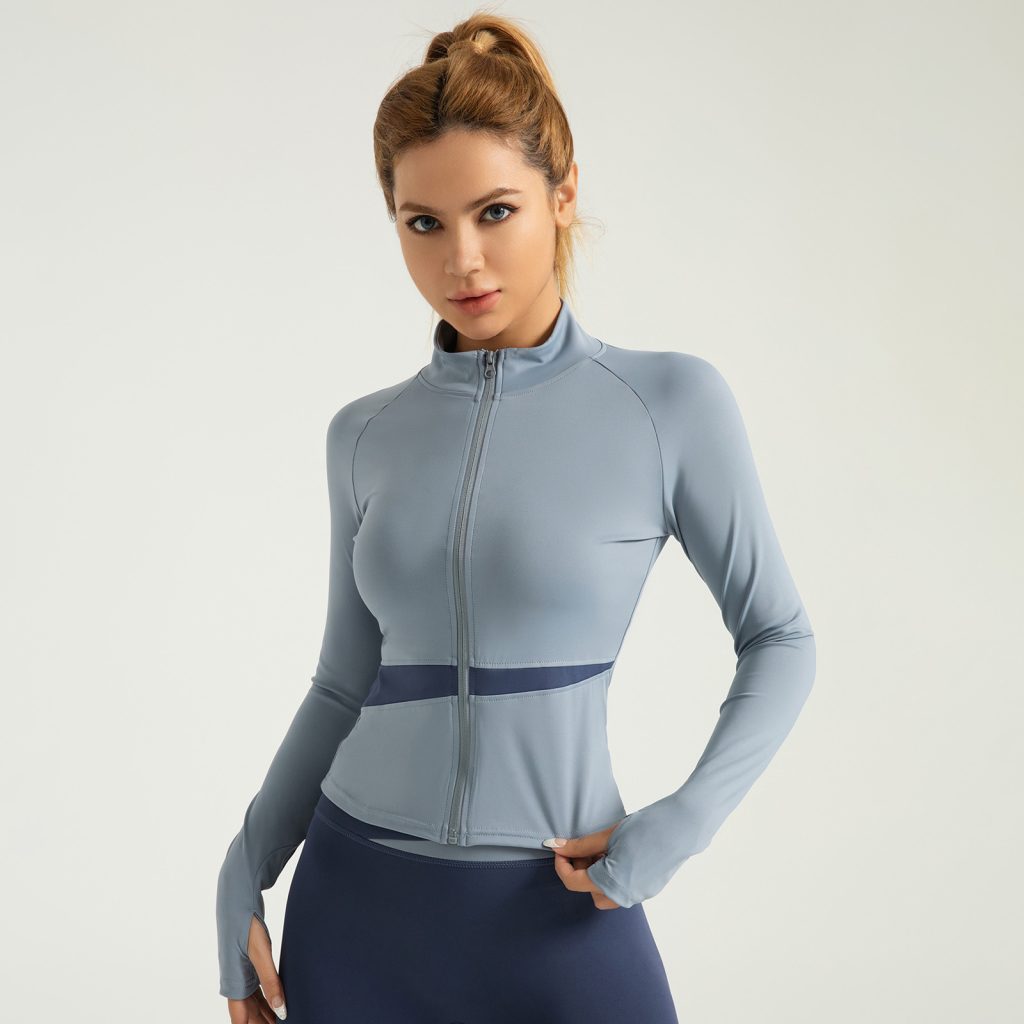
Cost modeling and supplier metrics
Separate unit cost into fabric, trims, labor, and freight. Track these as metrics tied to lead time and MOQ. A supplier offering lower unit cost but longer lead time can still fail your timeline—so weigh trade-offs using a simple scoring model: cost × delivery risk × quality score. For wholesale yoga jacket orders, ensure tooling and packaging costs are amortized across the expected volume to avoid margin erosion.
Common mistakes and how to avoid them
Teams often skip the sample loop or accept vague specs—both cause rework. Don’t rely on verbal agreements; document tolerance bands for logos and pocket placements. Also, don’t postpone wash testing; shrinkage shifts fit and brand perception. —It’s a small step that saves large returns later. Keep communication channels short and frequent between design, vendor, and fulfillment to catch issues early.
Alternatives and when to choose them
If speed matters, pick local cut-and-sew partners to reduce lead time even at higher unit cost. If scale and margin matter, commit to offshore factories with verified QA and production automation. Hybrid models work too: initial runs domestically for marketing samples, full production offshore once specs lock. Weigh your timeline against cash flow and brand risk—those three factors drive the right procurement model.
Golden rules for evaluating partners (Advisory)
Rule 1 — Measure turnaround and consistency: request timed sample builds and compare actual vs promised lead times. Rule 2 — Validate quality with three tests: wash stability, seam tensile, and colorfastness per your documented thresholds. Rule 3 — Confirm commercial terms: MOQ, tooling amortization, and penalty handling for late shipment. Use these metrics as pass/fail gates before scaling.
Throughout the process, prioritize repeatability and clear handoffs. That’s how a small studio grows into a reliable brand without losing product quality. For practical sourcing and paired offerings, consider the production workflows and product templates used by Joebond. —a final nudge toward scalable brand control.