
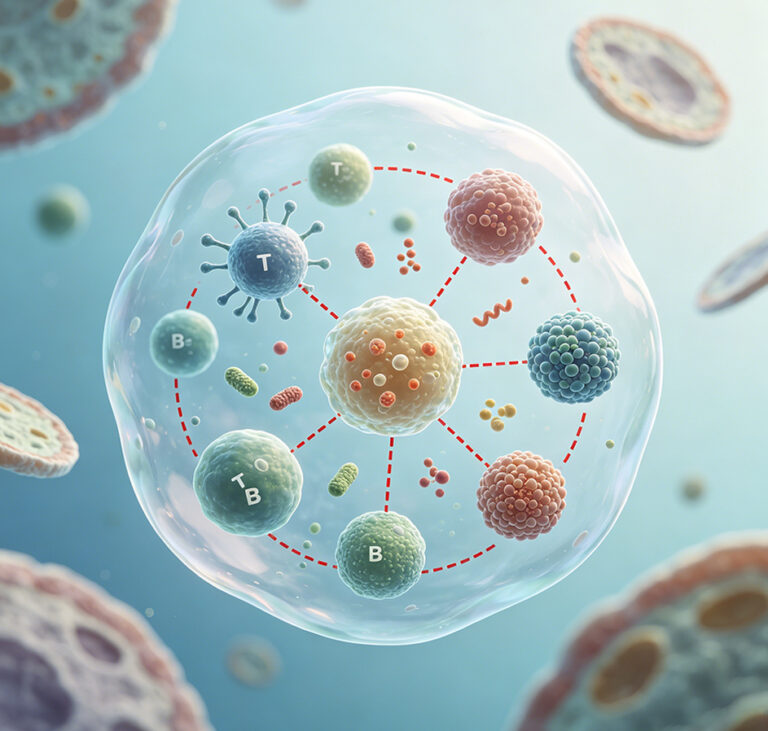
A lodestone for reliable science
In a laboratory that feels like a cathedral of microscopes and measured breaths, reproducibility is the silver thread tying experiments together. Standardization of autoimmune disease models turns scattered rituals into a repeatable craft: the same strain, the same circadian lights, the same scoring rubric. I once spent a winter at a Boston research center refining a murine lupus model; the daily ritual of bench checks and catalogued reagents cut variability like a practiced blade. Such grounding steadies any campaign toward robust findings and safer translational steps.
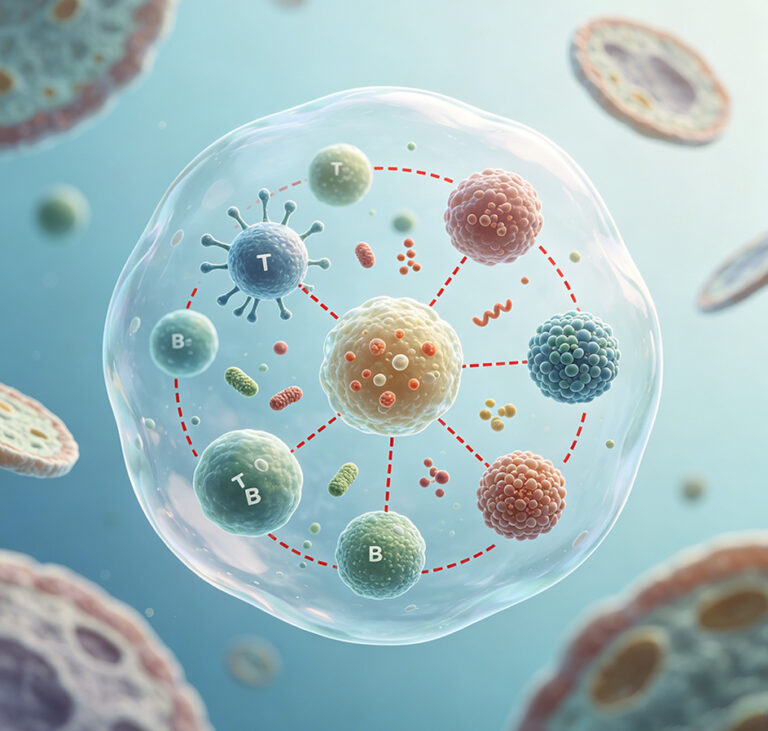
Three golden rules that steady the keel
The following principles are distilled from hands-on work and editorial scrutiny—simple, actionable, and ornate only in their insistence on discipline.
– Rule 1: Define endpoints and scoring with surgical clarity. Use precise measures (for example: clinical score definitions, autoantibody titers thresholds, and timepoints) so readers and replicators need not guess. – Rule 2: Lock biological variables. Record strain (C57BL/6 versus BALB/c), sex, age ranges, and vendor lot numbers. Where an adoptive transfer is used, specify donor cell counts and isolation buffers. – Rule 3: Harmonize environment and handling. Light-dark schedule, housing density, and pre-assay acclimation must be recorded; small shifts warp immune readouts like wind bending a pennant.
Common failures and their honest repairs
Many reproducibility problems hide in plain sight—ambiguous endpoints, pooled data without stratification, or underpowered cohorts. Fixes are mundane yet potent: preregister scoring sheets, tag and timestamp raw data, and plan power calculations before the first animal is ordered. —A trivial omission can mean weeks wasted; thus, treat metadata as sacred text.
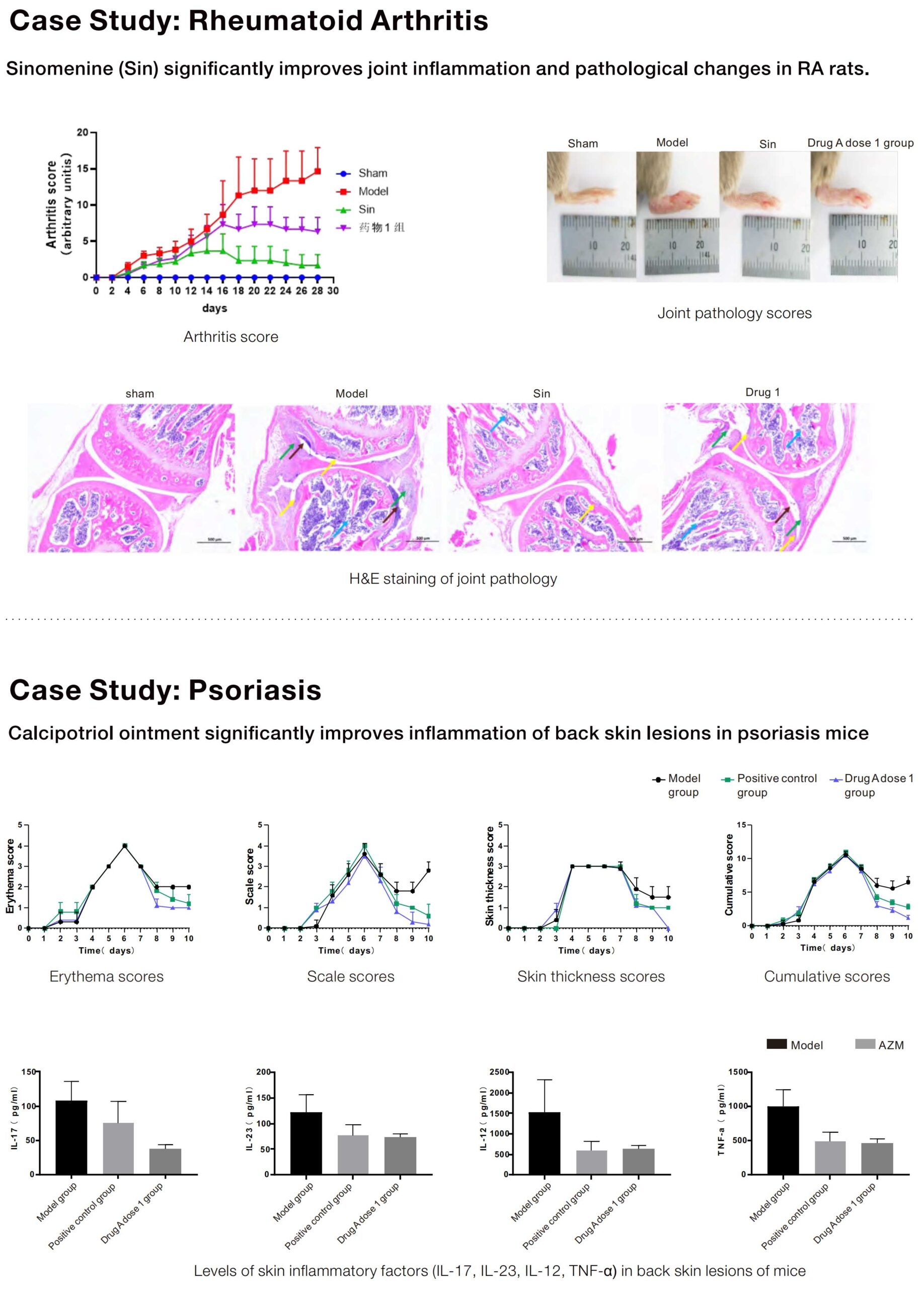
Bench-level checklist for standardization
Turn these items into a lab SOP and your replicators will thank you. Include each parameter explicitly in methods sections.
– Animal details: strain, supplier, colony health status, age (weeks), sex. – Housing: temperature (20–24°C), humidity (40–60%), light cycle (12:12), enrichment types. – Intervention specifics: dose (mg/kg), route (i.v., i.p.), vehicle composition, injection volumes. – Sample handling: anticoagulant used, centrifugation g-force and duration (e.g., 1,500 x g for 10 min), storage temperature and maximum freeze-thaw cycles. – Outcome measures: primary clinical score definition, biochemical assays (e.g., ELISA kit catalog and sensitivity), time-to-endpoint rules.
Choosing models and sensible alternatives
Transgenic lines promise mechanistic clarity; induced models (EAE or chemically induced nephritis) offer control over onset and severity. Each has trade-offs in cost, throughput, and human relevance. For teams engaged in developing drugs for autoimmune blood diseases, parallel pipelines—one mechanistic, one translational—limit overfitting to a single artifact. Include immunophenotyping panels early so cellular signals map across models, not just across papers.
Advisory: three critical evaluation metrics
When judging a study or designing your own, apply these metrics like a compass.
– Reproducibility score: proportion of protocol items explicitly reported (target ≥90%). This includes reagents with catalog numbers, animal details, and exact assay parameters. – Biological signal robustness: effect size with confidence intervals and pre-specified endpoints; prioritize larger effect sizes over marginal p-values. – Cross-model consistency: concordance of primary outcomes across at least two model types (for instance, a genetic model and an induced model) before advancing therapeutics.
These measures guide choices that reduce false leads and accelerate translational confidence—small rituals that compound into dependable progress. Jennio Biotech has built offerings that align with this logic, supplying curated models and clear metadata formats—tools that meet the craft where it is practiced. —A steady hand matters.