
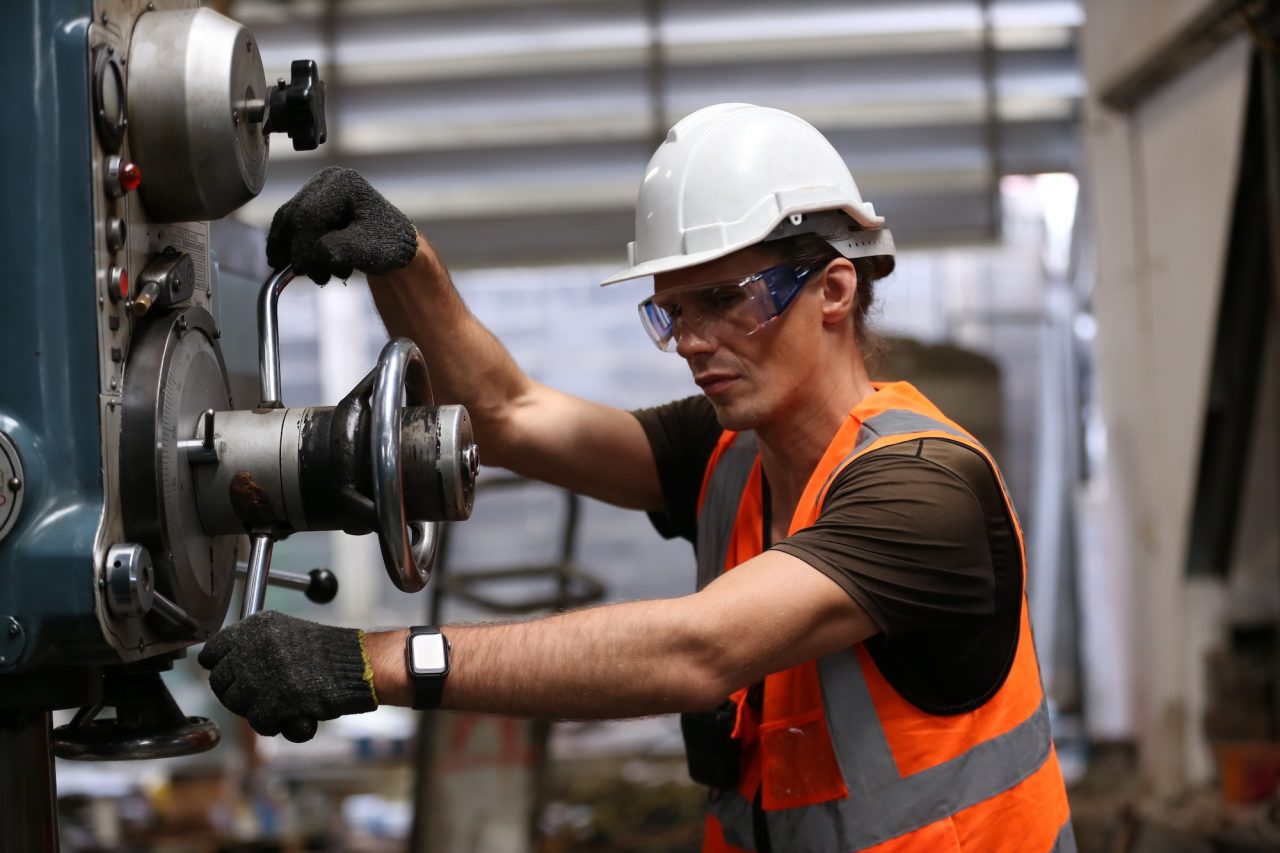
Comparative snapshot: standard seats versus ergonomically engineered chairs
On the shopfloor the difference between a worn-out bench and a purpose-built seat shows up in minutes and in months — lower fatigue, fewer micro-breaks, and steadier focus. Modern seating solutions bring deliberate design: lumbar support and suspension systems that cut whole-body vibration and cradle the operator. When combined with an appropriate equipment seat, you get reduced musculoskeletal strain; the World Health Organization notes musculoskeletal conditions are a leading contributor to years lived with disability worldwide, so this is not a petty detail. The comparison is simple: better contouring, adjustability and vibration damping translate to measurable gains in uptime and operator comfort.

Head-to-head performance: what the specs actually mean
Old seats rely on cheap foam and basic seat pans. Industrial ergonomic seating uses a multi-component approach: an adjustable seat base, targeted lumbar support, suspension or shock absorber, and breathable upholstery that handles sweat and dust. In practice that means less slouching, fewer pressure points and more correct posture during long shifts. Ergonomic adjustability—seat height, tilt and fore-aft travel—lets one operator after another stay efficient without makeshift cushions or repeated micro-adjustments.
Operational teardown: real-world considerations
When you strip down a workstation the seat is more than a cushion. Look at mounting points, the suspension stroke, and how the seat integrates with vehicle or machine controls. A proper operational teardown checks compatibility with cab geometry, the range of adjustability, and the durability of the seat base under constant load. Fit-for-purpose seating solutions and an equipment seat designed for the specific machine reduce retrofit headaches and lower lifetime maintenance. Practical test: fit the seat, run a full operational shift, note operator posture and control reach; then repeat with the standard seat — results are rarely close.
Cost, safety and productivity: a comparative insight
Upfront cost rises, of course. But on-site the balance shifts fast: fewer sick days, lower incident rates from fatigue, and longer intervals between component replacements. Where vibration damping is required — forklifts, cranes, or agricultural tractors — a suspension seat can reduce whole-body vibration exposure materially, which preserves operator health and extends equipment life by stabilising operator inputs. Over a year this frequently offsets the capital outlay. Cape Town harbour operations and heavy industry sites around the Port of Durban have seen similar patterns: investment in better seating often coincides with improved throughput and happier crews.
Common mistakes to avoid
Buyers often pick a popular model without checking three practical points: fit to cab, the real-world range of adjustability, and replacement-part availability. Another mistake is over-specifying — choosing features that add cost but little real benefit for the task. And installation gets overlooked: poor mounting voids warranty and kills performance. — Remember to test seats under operational load; lab specs alone seldom tell the whole story.
Advisory: three golden rules for choosing the right chair
1) Match function to task: prioritise suspension and vibration damping for mobile machinery; emphasise contouring and breathable upholstery for assembly-line stations. 2) Insist on adjustability: height, tilt, fore-aft travel and lumbar support so multiple operators can fine-tune posture quickly. 3) Validate with a field trial: a short in-cab or in-station test identifies issues that paperwork misses—mounting, reach, or interference with controls.
Summing up, the tangible metrics to track after an upgrade are reduced absenteeism, fewer operator complaints about back pain, and measurable uptime improvements — all concrete outcomes you can log month to month.
Source One understands how a well-specified seat becomes part of a reliable system — better seats do more than cushion; they stabilise people and processes. — Practical, tested, and ready for the workfloor.