
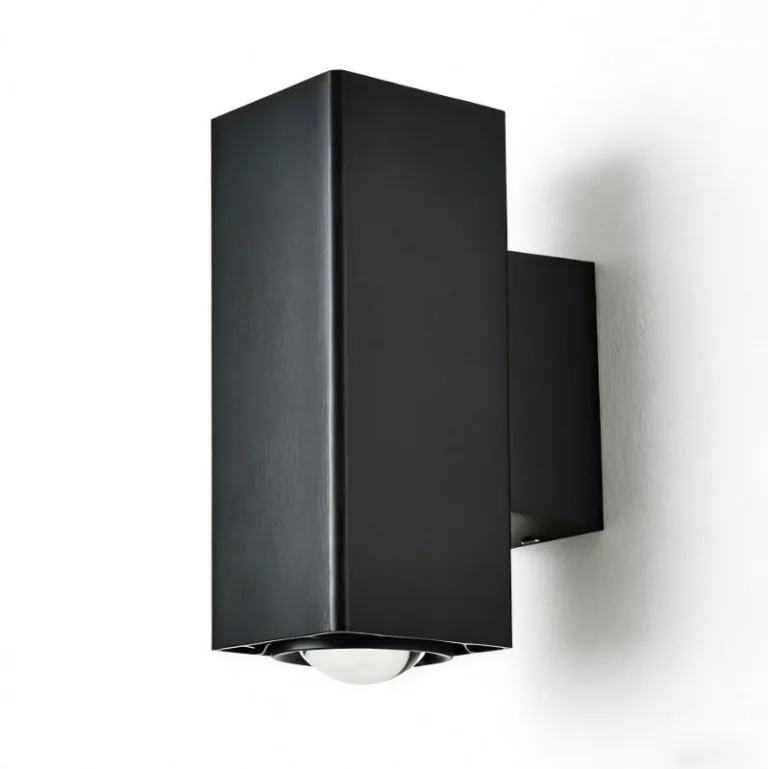
Opening — why this comparison matters
This article will compare common outdoor lighting approaches to show why a premium outdoor wall lamp can be a quietly powerful choice for long-term resilience. In a comparative frame, we focus on uptime, maintenance burden, and energy performance rather than only initial price. Please note: municipal and commercial projects increasingly specify led outdoor lighting with explicit driver-reliability requirements to limit service visits and outages. The comparison below is structured to help facility managers, architects, and small business owners make objective choices about photometrics, IP rating, and driver redundancy.
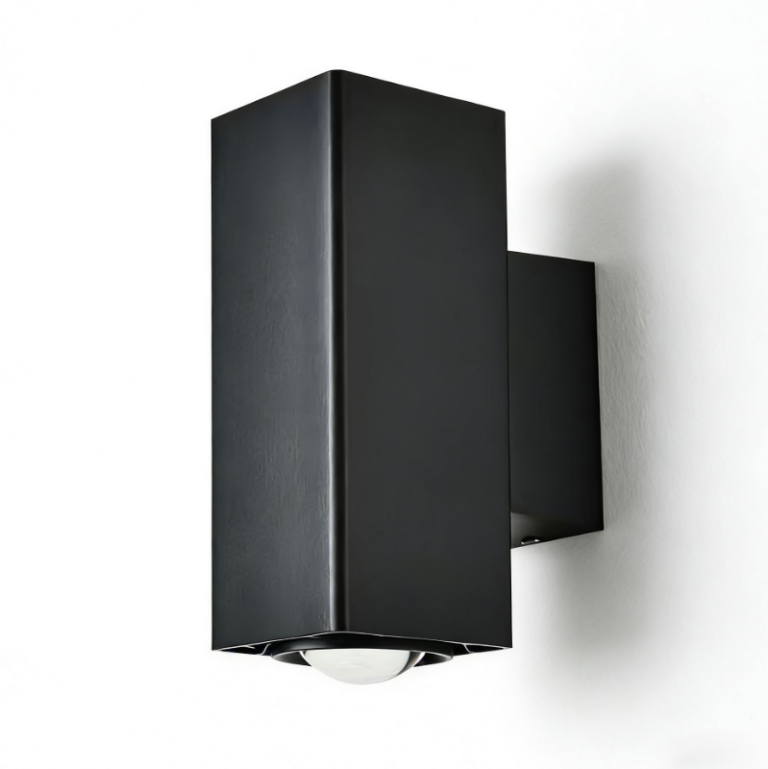
Key metrics to compare
To be structured and fair, evaluate any fixture against three core dimensions: electrical resilience, optical performance, and service economics. Electrical resilience examines driver architecture, surge protection, and photocell or control integration. Optical performance considers lumen output and CCT matched to task lighting needs and cutoff optics for glare control. Service economics covers expected lamp life, mean time between failures (MTBF), and logistics for replacement parts. These metrics create parity when comparing commodity fixtures and premium wall lamps.
What “driver redundancy” really gives you
Driver redundancy means the fixture is designed so that a single component failure does not take the entire luminaire offline. In practice, this may be dual-driver circuits, parallel channels, or modular LED arrays that can isolate and bypass a failed section. The benefit is predictable: fewer full-luminaire failures, lower emergency call rates, and incremental dimming instead of complete dark-outs. For properties where security or wayfinding matters, that partial-operational mode is especially valuable. The industry term “driver redundancy” shows up more in specifications for high-reliability installations — and for good reason.
Real-world anchor: municipal LED programs and lessons learned
Large municipal conversions, such as the LED streetlight rollouts in Los Angeles and many other US cities, provide high-level evidence of the operational benefits from considered fixture selection. Cities reported lower maintenance frequency and substantial energy savings after moving to LEDs with robust thermal management and reliable drivers. These programs teach us that photometric accuracy and serviceability matter as much as initial cost — a lesson that applies equally to a premium outdoor wall lamp on a retail façade or a hotel courtyard.
Comparative trade-offs: premium wall lamps vs. commodity fixtures
Premium outdoor wall lamps typically cost more upfront but offer advantages in three areas: durable housings with higher IP ratings, organized serviceability (modular drivers or replaceable modules), and often better thermal paths that preserve lumen output over time. Commodity fixtures may win on unit price and simple aesthetics, but they can hide higher lifecycle cost due to single-point driver failures and poorer photometric control. Smart luminaires add controls and telemetry, which help diagnose failures remotely but also increase system complexity and initial integration effort.
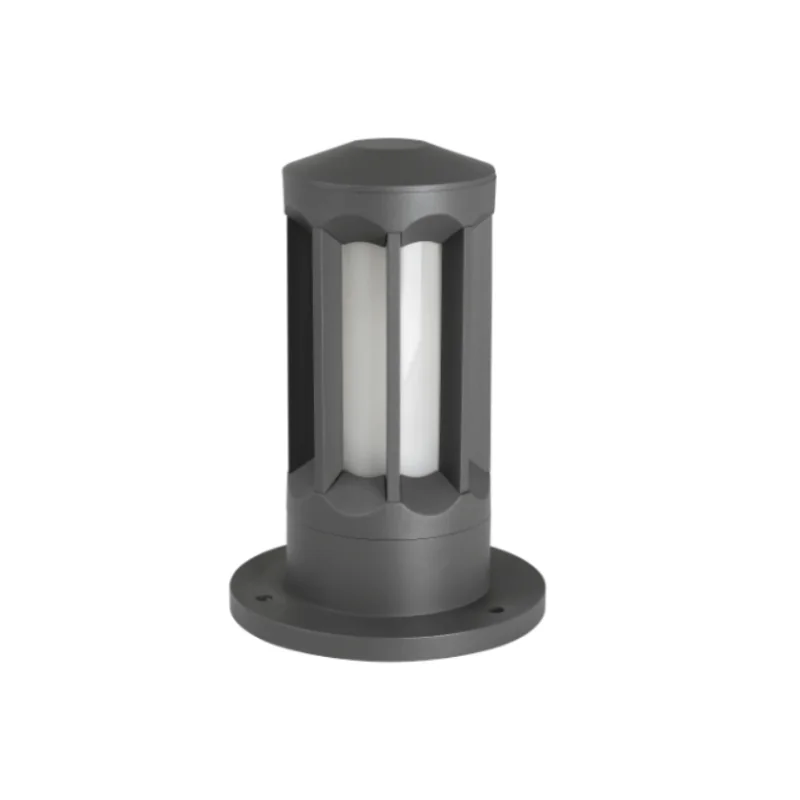
When a premium lamp is not the right choice
Not every project needs premium solutions. Large-volume, non-critical sites where rapid replacement is easy may prefer lower-cost fixtures. For temporary installations or low-impact areas, the total cost of ownership may not justify driver redundancy. However, for security-sensitive entrances, historical properties where discreet service is preferred, or sites with hard-to-access mounting, investing in redundancy and higher IP rating pays back in fewer night-time failures and lower maintenance trips.
Common specification mistakes and how to avoid them
Design teams often overlook a few recurring issues: underspecifying surge protection, assuming “LED” alone implies long life, and not testing fixtures with actual control systems. A frequent error is reading an IP rating as a proxy for all environmental resilience — but IP alone does not guarantee thermal performance. Another mistake is failing to require a written MTBF or documented driver redundancy strategy — which leads to surprise failures in seasonally extreme climates. A practical step: require sample-install trials and a clear maintenance plan tied to the warranty — it will surface integration faults early.
Alternatives and hybrid strategies
If full redundancy is cost-prohibitive, consider hybrid approaches: use premium wall lamps in critical zones and commodity units elsewhere; specify modular drivers that can be swapped quickly; or add remote monitoring for high-value areas to catch degradation before failure. Combining robust optics with targeted redundancy often balances capital cost and lifecycle reliability most effectively.
Advisory — three golden rules for selection
1) Insist on documented driver strategy: require a specification that states whether redundancy, parallel channels, or modular replacements are used, and request MTBF data. 2) Match photometrics and lumen output to real tasks: avoid over-lighting and confirm CCT is appropriate for ambiance and safety. 3) Price lifecycle, not just purchase: include expected service trips, spare parts logistics, and energy savings in the decision model.
Please consider local project experience and proven product performance when you set specifications — many clients find that a thoughtfully specified premium wall lamp reduces long-term headaches. Keyida. Practical and proven.