

Hidden Flaws I Keep Finding
I was on a flat roof in Phoenix one May afternoon, watching a 250 kW PV inverter whisper through its startup sequence while the warehouse below still paid full peak charges. I remember that moment because C&I Solar felt like a secret about to be exposed: the array cut peak demand by 35% in its first year—so if one site can do that, what happens when operators discover the rest?

The promise of commercial solar energy attracts attention, but I’ve learned the hard way that installations often gloss over real pain points. I’ve seen projects in Q3 of 2021 where the BOS estimate excluded upgraded switchgear and demand-charge engineering; the client paid an extra $18,600 six months later (no kidding). The traditional fixes—size the array, apply net metering assumptions, sign off—miss two deeper layers: the invisible cost of poor integration, and how energy storage scheduling (and software) actually shifts value. PV inverter choices, energy storage specs, and load profile alignment are not minor details; they are the fault lines.
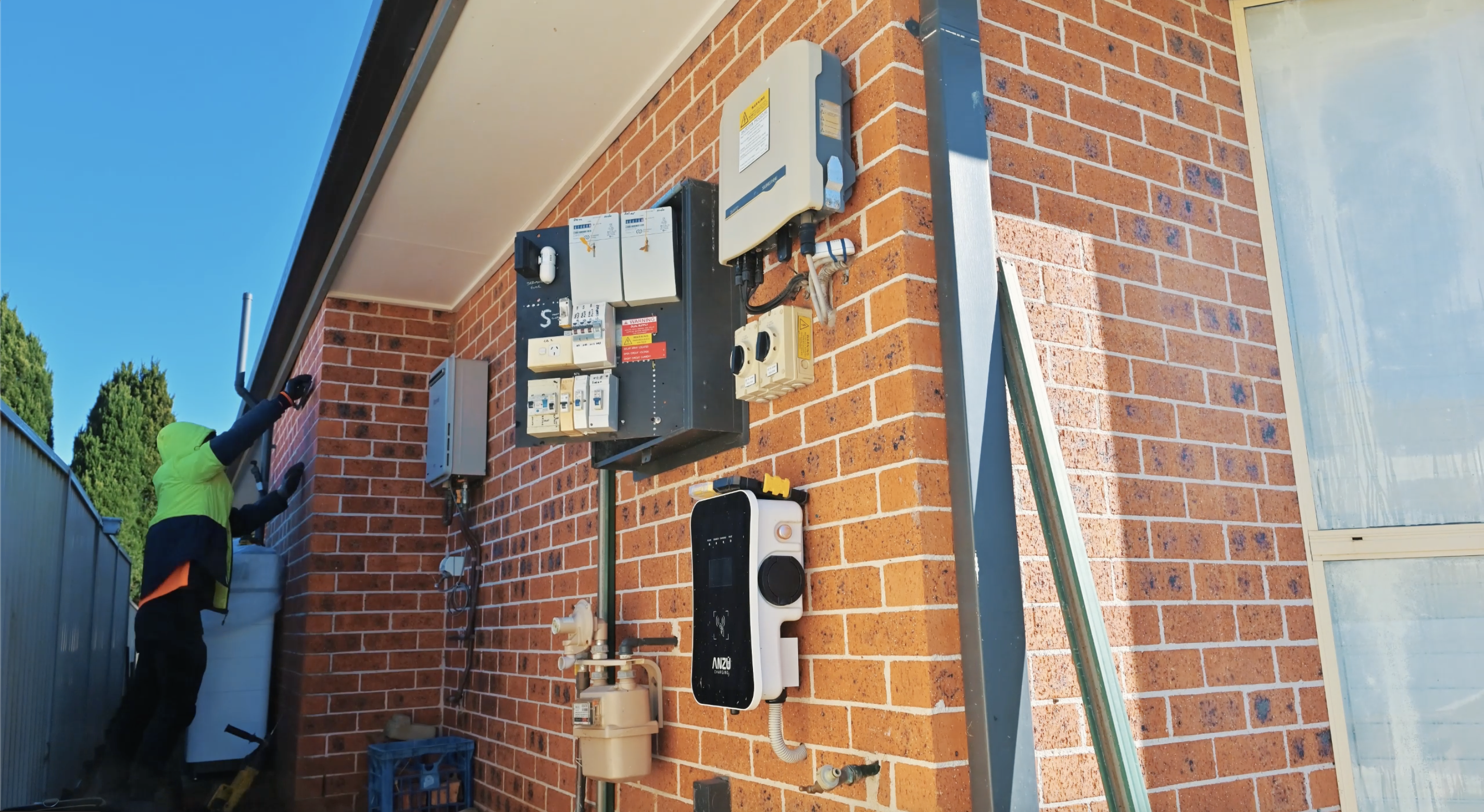
So let me be blunt: many commercial owners sign contracts optimized for kWh yield, not for kW demand reduction. That misalignment creates stranded value—lower output might still leave a facility with the same demand charges. (There’s a pattern here.)
Now, turn the page—there’s a next move to consider.
Technical Shifts and Practical Metrics
What’s Next?
When I advise clients now, I start with measurable objectives: target peak kW reduction, desired ramp rates for on-site energy storage, and realistic performance ratios under local weather patterns. I rely on simulations and on-site metering to show—not promise—how commercial solar energy will behave with their load. In a 2022 retrofit at a distribution center outside Phoenix, we paired a 250 kW PV array with a 100 kW/200 kWh battery and shifted charging windows; the result cut demand spikes by 40% and trimmed the utility demand component enough to pay for the battery in under six years. Details like inverter clipping thresholds and round-trip efficiency matter in those calculations—ignore them and the math breaks down.
We’ve moved past simplistic ROI tables. Now, I run time-of-use scenarios, feeder constraints, and dispatch algorithms before procurement. This is technical—but practical: you need to know how an inverter’s MPPT behavior interacts with a battery’s state of charge, and whether your site’s tariff rewards export or penalizes it (net metering quirks). Consider three metrics when evaluating vendors and systems: peak kW reduction certainty over a year, round-trip energy storage efficiency, and real-world degradation rates measured after 18–24 months. These metrics point to outcomes—reduced bills, fewer surprises, clearer contracts. Wait—one last note: choose partners who will stand behind performance testing, not just sales models.
I speak from over 15 years on rooftops and in boardrooms; I’ve watched spec sheets turn into real savings—and into costly misunderstandings. If you want to judge systems, measure the right things. For practical procurement and honest performance, I often recommend looking at proven deployments and asking for as-built performance logs. That’s how we separate claims from reality. For further vendor vetting, check operational data and ask for site-specific simulations—this is where C&I Solar becomes strategic rather than speculative. sungrow