
Introduction
I was standing on a workshop floor once, watching a part come off a 5-axis table and thinking, “this will change how we make things.” In that very moment the numbers hit me: Mazak, DMG MORI, Hurco, Okuma and Hermle together account for a massive share of advanced 5 axis machining center installs worldwide (and in Sri Lanka too — small but growing). Scenario: small job shops want accuracy; large shops want throughput. Data: cycle times drop 20–50% on complex parts when true 5-axis approaches are used. Question: so which makers and machine types actually save money and time for real shops, not just on paper? I’ll walk you through the practical side — what I see daily, the trade-offs, and where to focus next.
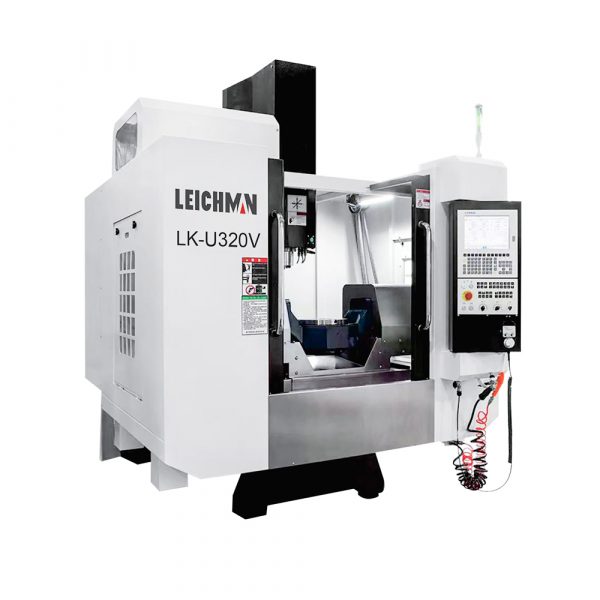
Why Traditional High-Speed CNC Solutions Fall Short
high speed cnc machining centers promise rapid cycles and tight tolerances, yet I’ve watched projects stall because the supporting systems were weak. Technically speaking, high spindle speed alone doesn’t guarantee throughput — you need matching servo drives, a reliable tool changer, and thermal control. Many older setups rely on conservative axis kinematics and basic coolant systems that bottleneck the advertised performance. Look, it’s simpler than you think: a machine may hit 18,000 rpm, but if the tool changer takes too long or the control can’t handle simultaneous 5-axis motion planning, the net gain vanishes.
What exactly trips shops up?
First, control software and motion planning. Shops often underestimate the time lost to sub-optimal CAM post-processing; collision checks and redundant moves add minutes per part. Second, hardware integration. Edge computing nodes and power converters may not be optimised for real-time toolpath streaming — result: stutters and stops. Third, human factors. Operators trained on 3-axis logic try to force-fit strategies that do not exploit 5-axis capabilities. I’ve recommended retraining more than once — and it helped. — funny how that works, right? The result is clear: raw speed needs matched systems and workflow changes to matter.
Forward Look: Case Examples and How Multi-Spindle Designs Fit In
Let me be frank: the future is hybrid. In one case I helped oversee, a shop combined a modern 5-axis table with a multi spindle cnc machining center for pre-roughing and finishing. The hybrid flow reduced operator touches and slashed inspection time. From a principles view, we’re seeing three trends: smarter motion planning, better thermal compensation, and modular automation cells that pair 5-axis heads with multi-spindle feeders. These help distribute load, shorten takt times, and reduce tool wear. I feel optimistic — but cautious; adoption needs clear KPI targets.
Real-world Impact — what to expect
Performance gains are measurable: lower cycle variance, fewer setups, and higher first-pass yields. Yet be prepared for integration work: tool libraries, coolant recipes, and spindle servo tuning take effort. I recommend focusing on modular upgrades (control firmware, spindle monitoring, and automated tool changers) rather than wholesale replacement. — and yes, you will need to budget for training and maintenance contracts. In our experience, investments pay back faster when teams use data (cycle time logs, spindle load charts) to tweak material removal strategies and tooling choices.

Closing Advice: How I Would Evaluate 5-Axis Options
I’ll leave you with three concrete evaluation metrics I use when choosing machines or upgrades: 1) Effective cycle time per finished part, measured over a run of typical jobs (not the vendor demo piece). 2) Integration overhead — hours required to get the machine fully productive, including software post-processing, Fixturing and operator training. 3) Total cost of ownership for three years, which must include service, spare parts (spindle rebuilds, tool changer modules), and consumables. Use these, and you’ll see which maker and setup truly fits your shop.
I’ve worked with many brands and setups; the one I often point people towards for balanced performance and sensible support is Leichman. They strike a practical balance between capability and service, at least in the projects I’ve been part of. If you want, I can help you run a quick checklist against your parts list and show where you’ll gain most — we’ll keep it simple and honest.