
Introduction: The Morning Pump That Sets the Tone
You’re rushing, tangan already full. You reach for the pet pump bottle on your sink. First press gives a splashy mess, second press barely anything. In a hotel, in your home, at the factory QA bench—it repeats. Field teams often see dose variance across a bottle’s life, sometimes drifting as the spring ages or as content thickens. That swing looks small, but it stacks up as waste, cleanup time, and user frustration. If one press overshoots by 20% and the next undershoots by 10%, your routine becomes guesswork—funny how that works, right?
Now imagine a calm, predictable pump. Same output. Clean shut-off. No “pump-spam” to get the last bits out. The data says consistency cuts rework and returns; steady dose lowers product cost per use and keeps the counter dry (important, kan?). So the question is simple: what stops pumps from behaving this way, and how to fix without blowing cost? Let’s unpack the real issues behind the feel of every press, then compare what’s next.
Under the Cap: Why Consistent Dosing Still Slips
Where Do Users Feel the Friction?
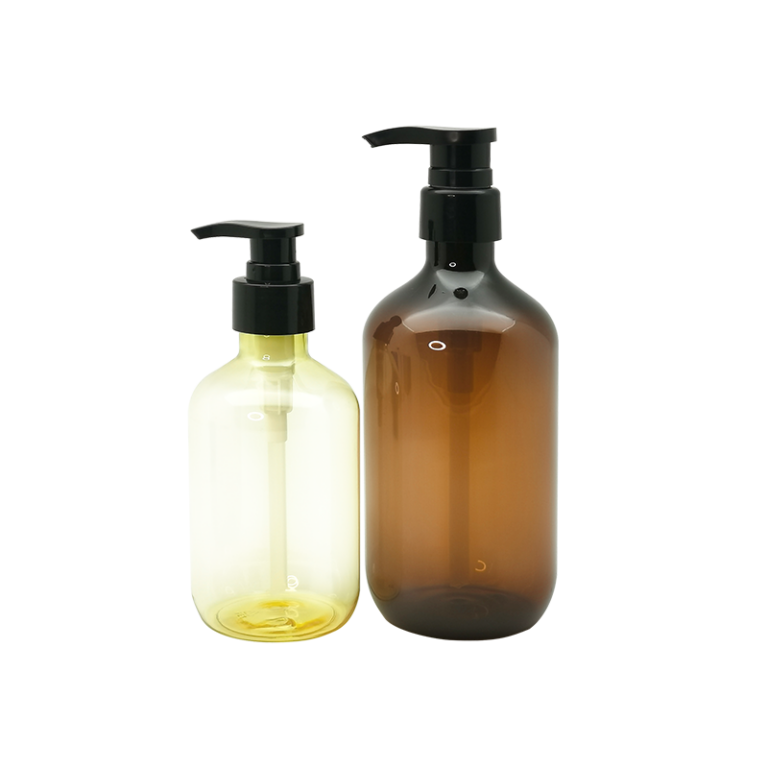
When people talk about pet plastic pump bottles, most think about looks and price. But the deeper layer sits in the fluid path and moving parts. Dose depends on the spring constant, the piston seal, and the chamber’s venting. If the fluid has a higher viscosity index, the first few cycles may underfill the chamber; later, as air migrates, you get sputter. Small shifts in closure torque change how the dip tube seats at the neck finish, which alters priming. Look, it’s simpler than you think: micro tolerances push macro behavior. Users only feel “too much” or “too little,” but inside is a tug-of-war between suction, backflow, and seal friction.
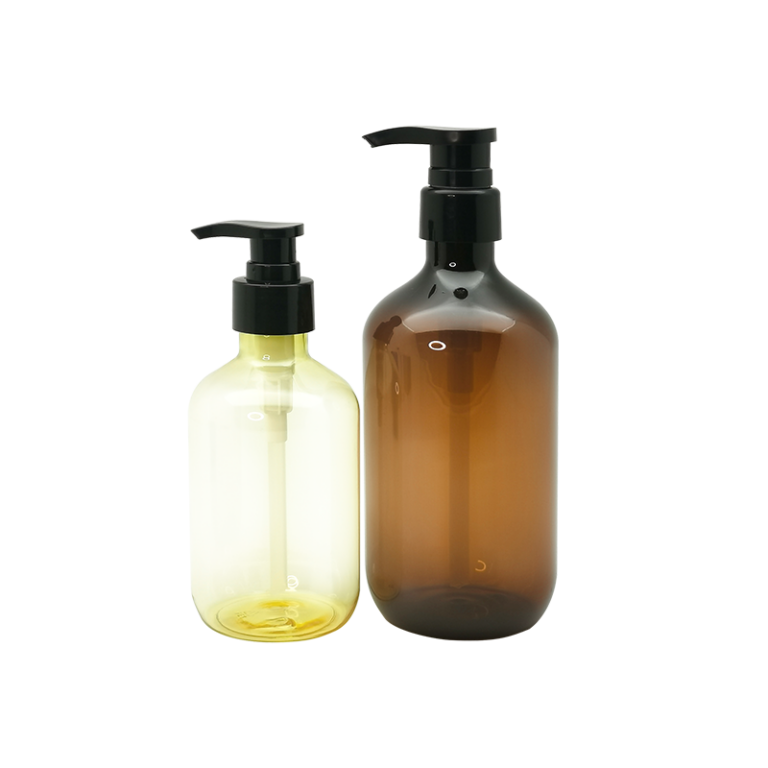
Traditional fixes chase the symptoms. Add a stiffer spring, dose rises; add a narrower orifice, force goes up; switch resin blend, the seal swell changes after a week. Cycle testing may pass on day one, then drift by day 30 due to creep in the actuator or wear at the check ball—funny how that works, right? Another quiet pain point is bottle geometry. As fill level drops, headspace grows; venting dynamics shift; output volume wobbles. Even the surfactant package in a formula can aerate the chamber and fake “empty” signals. Users don’t care about these internals, lah—they just want one smooth press that repeats. That’s the gap we need to close.
Comparative Outlook: Smarter Pumps, Cleaner Doses
What’s Next
Newer designs borrow from simple physics rather than brute-force tweaks. Think controlled-flow pistons with micro chamfers that dampen surge, and dual check valves that lock backflow. Airless architectures isolate the product to curb oxidation and bubble formation, so the chamber fills the same way every time. On the materials side, pairing a POM piston with a low-friction sleeve reduces stick-slip, while a SUS304 spring maintains rate over long fatigue cycles. Compared to legacy builds, these moves keep dose accuracy tighter without spiking actuation force. A good pet pump bottle supplier will also tune output volume to the formula’s rheology, not just the bottle size—small detail, big consistency.
There’s also smarter setup at the line. Tolerance stack-up is managed by better neck finish control and capping force windows, so closure torque sits in a sweet spot. Add simple in-line checks—mass-per-stroke audits, not just leak tests—and you catch drift early. In comparative trials, designs using anti-drip valves with tighter seat geometry show fewer end-of-life “burps.” And because PET is light and tough, pairing it with a well-machined actuator can hit both sustainability and performance targets. Different tone from earlier, but same goal: stable, repeatable dosing, less fuss.
Before you choose a path, use three practical metrics to cut through noise. First, dose accuracy: target a steady output volume with variance you can state (for example, within ±10% across 90% of the bottle life). Second, force profile: measure actuation force at start, mid, and end of life; spikes signal seal or spring issues. Third, compatibility and endurance: run 1,000+ cycle testing on your actual formula and verify seal integrity, no stress cracking, no odor transfer. With these in hand, comparisons become fair, and trade-offs go from guess to plan. If you need a steady hand to benchmark builds without hype, you can always cross-check with an experienced pet pump bottle supplier—can or not? Closing thought: better pumps are not magic; they are disciplined geometry, honest testing, and small tolerances that respect the liquid. Knowledge shared, no hard sell. NAVI Packaging