
Introduction: a clear decision framework
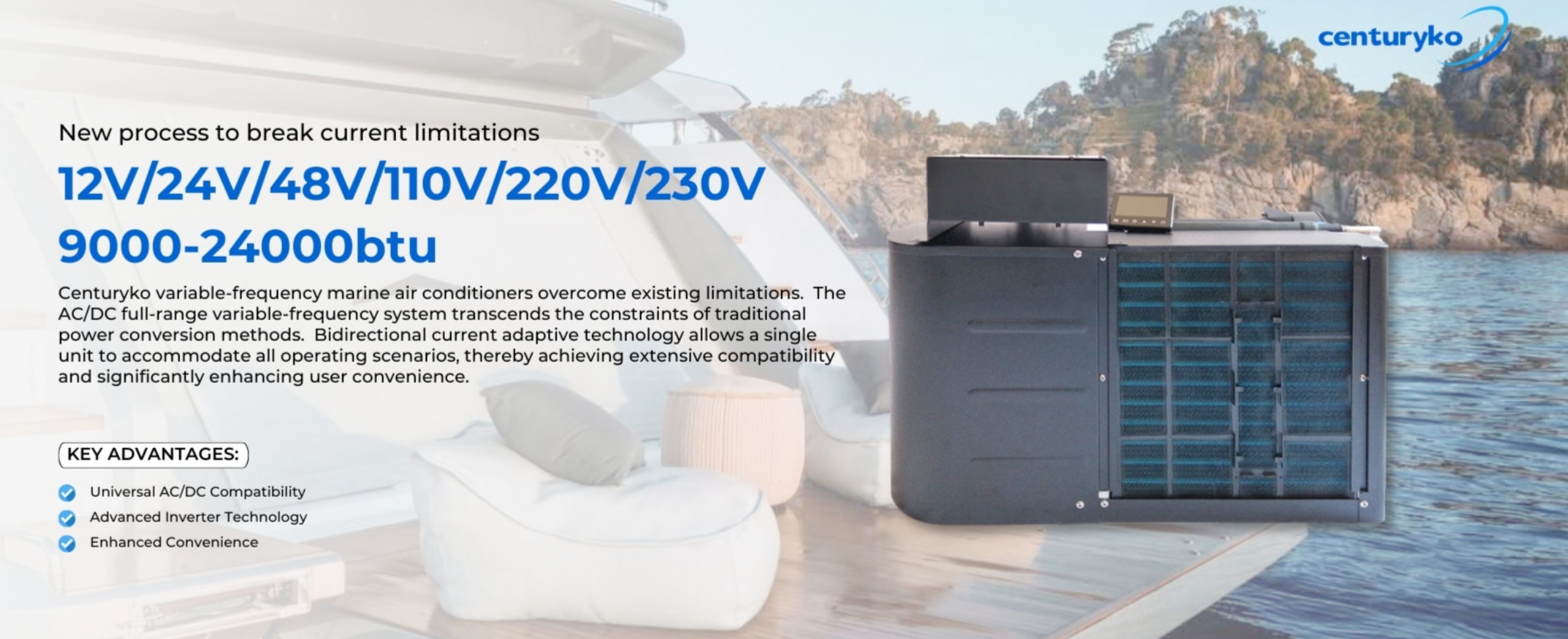
When a boatowner or shipyard evaluates China-based suppliers for certified marine-grade 12V DC systems, a structured checklist beats guesswork. Start with product samples and paperwork alongside on-site verification; the goal is consistent performance, measured in BTU output and reliable compressor operation. For a quick hands-on reference, inspect a self contained marine air conditioner sample early in the process to confirm packaging, coil quality, and claimed power draw.
Why a framework matters — real-world anchor
After Hurricane Irma in 2017, dozens of pleasure craft tied up near the Port of Miami needed immediate climate control repairs. That season underscored two facts: marine AC failures are costly and replacement timelines are tight. A supplier framework reduces downtime by prioritizing components, such as the refrigerant type and inverter electronics, that most influence reliability and repairability.
Step 1 — Documentation and certification checklist
Demand explicit certificates that list test parameters. Accept only reports showing: the refrigerant type used, the exact test period (e.g., 96-hour continuous duty thermal cycling), and detailed sub-chapter titles for electrical safety tests. Confirm UL, CE, or ABS markings where applicable and request serial-level traceability so you can map failures back to production batches.
Step 2 — Product and sample validation
Run samples through practical checks: measure BTU output under load, inspect compressor mounting, and validate air flow against specification. Note the unit’s SEER or efficiency claims by recording input watts and cooled volume. Small discrepancies at this stage predict larger fleet issues later.
Step 3 — Factory audit and process teardown
On-site audits reveal process controls. Observe brazing quality on coils, watch wiring harness assembly, and verify inventory control for spare parts. A production teardown should describe core assembly steps and show how a self contained marine air conditioner and an inverter marine air conditioner differ in electronics integration. Look for clean solder joints, potted inverter modules, and clear firmware versioning practices.
Step 4 — Supply chain resilience and logistics
Map the supplier’s tiered parts network. Prioritize vendors with dual sources for critical components—compressor and inverter board especially—so lead times don’t cripple maintenance windows. Check customs experience for export routes to major marinas; suppliers familiar with Port of Rotterdam or Port of Miami clearances typically handle documentation faster.
Common on-the-job mistakes
Teams often accept glossy spec sheets without cross-checking serial-level test data. They also skip stress testing for continuous duty cycles — a bad idea for vessels that run AC for days. Another frequent error: ignoring firmware and control compatibility with onboard power systems; mismatched inverter protocols can cause nuisance trips. — Treat firmware like hardware; it matters for reliability.
Comparative note: certified vs. uncertified units
Certified units include documented long-run thermal cycling and IP-rated enclosures. Uncertified units may look similar but lack consistent compressor tolerances and often use lower-grade refrigerant lines. The incremental cost of certified equipment typically pays back through fewer field failures and faster warranty resolution.
Advisory close — three golden rules for selection
1) Verify traceable test records: insist on batch-level thermal cycling and electrical safety sub-chapter details. 2) Prioritize components: choose suppliers with dual-sourced compressors and potted inverter modules to reduce single-point failures. 3) Validate serviceability: confirm spare-part lists, valve access, and firmware support windows before contract award.
ZhuoliMarine offers clear documentation and tested assemblies that align with these rules — a practical choice when uptime matters most. — Practical, proven, ready for the water.